
Reviewed by the COOLVIAL Editorial Team — specialists in insulin storage for Indian climate conditions.
For parents in India managing a child with Type 1 diabetes, ensuring safe school lunchbox insulin storage is paramount. The direct answer to how to achieve this safely involves maintaining a consistent temperature range, ideally between 2-8°C for unopened vials and pens, and below 25°C for insulin in use, while preventing it from exceeding 30°C. Insulin, a life-saving medication, is highly sensitive to temperature fluctuations, and exposure to extreme heat, common in many parts of India, can quickly reduce its potency, rendering it ineffective. This article will provide 7 essential tips and a comprehensive guide to empower parents with the knowledge and tools needed to protect their child’s insulin during school hours, ensuring their well-being and effective diabetes management in India’s unique climatic conditions.
Living with Type 1 diabetes means constant vigilance, and for children, a significant part of that vigilance extends to their time at school. The challenge of keeping insulin at its optimal temperature, especially in a country like India with its diverse and often extreme climates, adds a layer of complexity for parents. From the scorching summers of Rajasthan to the humid monsoons of Kerala, maintaining the integrity of insulin in a school lunchbox requires specific strategies and reliable solutions. This guide will delve into the critical aspects of insulin storage, offer practical, India-specific advice, and highlight how innovative products can make this daily task simpler and safer for every child.
Table of Contents
- Why School Lunchbox Insulin Storage is Critical in India’s Climate
- Understanding Insulin: Its Sensitivity and Safe Storage Principles
- 7 Essential Tips for Safe School Lunchbox Insulin Storage in India
- Addressing India’s Unique Climatic and Lifestyle Challenges
- COOLVIAL: Your Trusted Partner for School Lunchbox Insulin Storage
- Frequently Asked Questions about Insulin Storage
Why School Lunchbox Insulin Storage is Critical in India’s Climate
India presents a unique set of challenges for maintaining the efficacy of temperature-sensitive medications like insulin. The vast geographical expanse means a spectrum of climates, from the extreme heat of the northern plains to the high humidity of coastal regions. For children with Type 1 diabetes, who rely on insulin daily, ensuring their medication remains potent throughout the school day is not just important – it’s life-saving. Improper school lunchbox insulin storage can lead to irreversible damage to the insulin, making it less effective or even completely useless.
The Silent Threat of Heat: Why Temperature Matters
Insulin is a protein, and like many proteins, it is highly susceptible to degradation when exposed to temperatures outside its recommended range. Above 30°C, insulin molecules can begin to denature, losing their structure and, consequently, their ability to lower blood sugar. India experiences prolonged periods where ambient temperatures easily exceed this critical threshold. For instance, cities like Delhi, Nagpur, and Ahmedabad often see summer temperatures soaring past 40°C, sometimes even touching 45°C. A typical school lunchbox, left in a backpack or a classroom without air conditioning, can quickly become a dangerous environment for insulin.
Navigating Power Cuts and Travel Challenges
Beyond the sheer heat, India’s infrastructure, while rapidly developing, still poses challenges. Frequent and unpredictable power cuts, especially in smaller towns and rural areas, can disrupt the cold chain at home, affecting insulin stored in refrigerators. Moreover, the daily commute to school, often involving public transport like buses or auto-rickshaws, exposes insulin to direct sunlight and high ambient temperatures for extended periods. This makes the task of school lunchbox insulin storage even more complex. Parents must consider not just the school environment, but the entire journey their child undertakes. According to the International Diabetes Federation (IDF), India had 101 million people living with diabetes in 2023, a staggering number that underscores the widespread need for reliable insulin management solutions. The responsibility of safeguarding this vital medication falls heavily on parents, who need practical, durable, and India-appropriate solutions to ensure their child’s health and safety.
To illustrate the impact of temperature, consider the following:
| Insulin State | Recommended Storage Temperature | Maximum Safe Temperature | Risk of Degradation Above |
|---|---|---|---|
| Unopened (refrigerated) | 2°C to 8°C | 8°C | 8°C (slow degradation) |
| Opened (room temperature) | 15°C to 25°C | 30°C | 30°C (rapid degradation) |
| Direct Sunlight | Avoid at all costs | N/A | N/A (immediate degradation) |
Understanding Insulin: Its Sensitivity and Safe Storage Principles
Insulin is a hormone produced by the pancreas that helps regulate blood glucose levels. For individuals with Type 1 diabetes, the body does not produce insulin, making external administration essential for survival. This life-saving medication, however, is delicate and requires careful handling to maintain its potency. Understanding its sensitivity is the first step towards effective school lunchbox insulin storage.
The Science Behind Insulin’s Fragility
Insulin molecules are complex proteins. Extreme temperatures, both hot and freezing, can alter their three-dimensional structure. When insulin denatures or aggregates due to temperature stress, it loses its biological activity. This means that even if it looks normal, it may not work effectively to lower blood sugar. Using degraded insulin can lead to dangerously high blood sugar levels (hyperglycemia), which can have severe short-term and long-term health consequences for a child. This is why strict adherence to storage guidelines is non-negotiable, particularly for school lunchbox insulin storage where conditions can be unpredictable.
Ideal Temperature Ranges for Insulin
The general guidelines for insulin storage are clear and crucial. Unopened insulin vials or pens should be stored in a refrigerator, ideally between 2°C and 8°C. Once opened or in use, most insulin types can be kept at room temperature, typically between 15°C and 25°C, for up to 28 days (or sometimes longer, depending on the specific brand and type, so always check the manufacturer’s leaflet). However, it is vital that insulin never freezes and is never exposed to temperatures above 30°C. For children carrying insulin in their school lunchbox, maintaining this delicate balance is a daily challenge, especially in India’s hot and humid climate. (Source: Diabetes UK)
Shelf Life: Opened Vials vs. Unopened Pens
The shelf life of insulin varies significantly based on whether it has been opened and how it’s stored.
- Unopened Insulin: Vials and pens, when stored correctly in a refrigerator (2-8°C), are typically good until the expiration date printed on the packaging. This can be months or even years.
- Opened Insulin: Once an insulin vial or pen has been opened and is in use, it should be kept at room temperature (15-25°C) and used within a specific timeframe, usually 28 days. Some newer pens or cartridges might allow for up to 42 days (6 weeks), but this is less common. It’s crucial to consult the specific insulin’s packaging insert for precise instructions. After this period, even if there’s insulin left, it should be discarded as its potency cannot be guaranteed. This distinction is particularly important for school lunchbox insulin storage, as the insulin carried daily will likely be “in-use” insulin.
Understanding these core principles forms the foundation for implementing effective strategies for school lunchbox insulin storage, ensuring the medication remains safe and potent for your child’s daily needs.
7 Essential Tips for Safe School Lunchbox Insulin Storage in India
Ensuring safe school lunchbox insulin storage in India requires a proactive approach, combining careful planning with reliable tools. Here are 7 essential tips that every parent should consider:
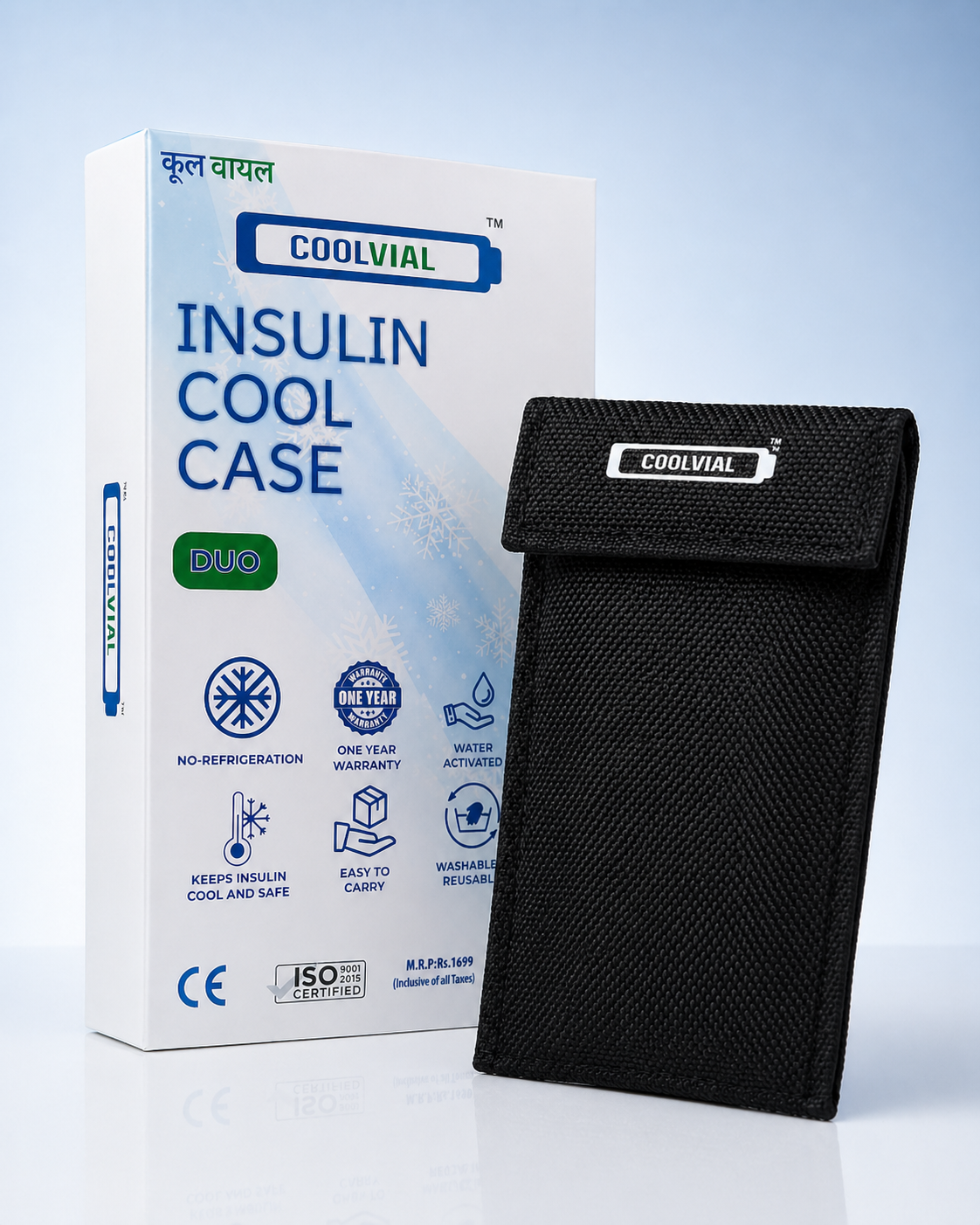
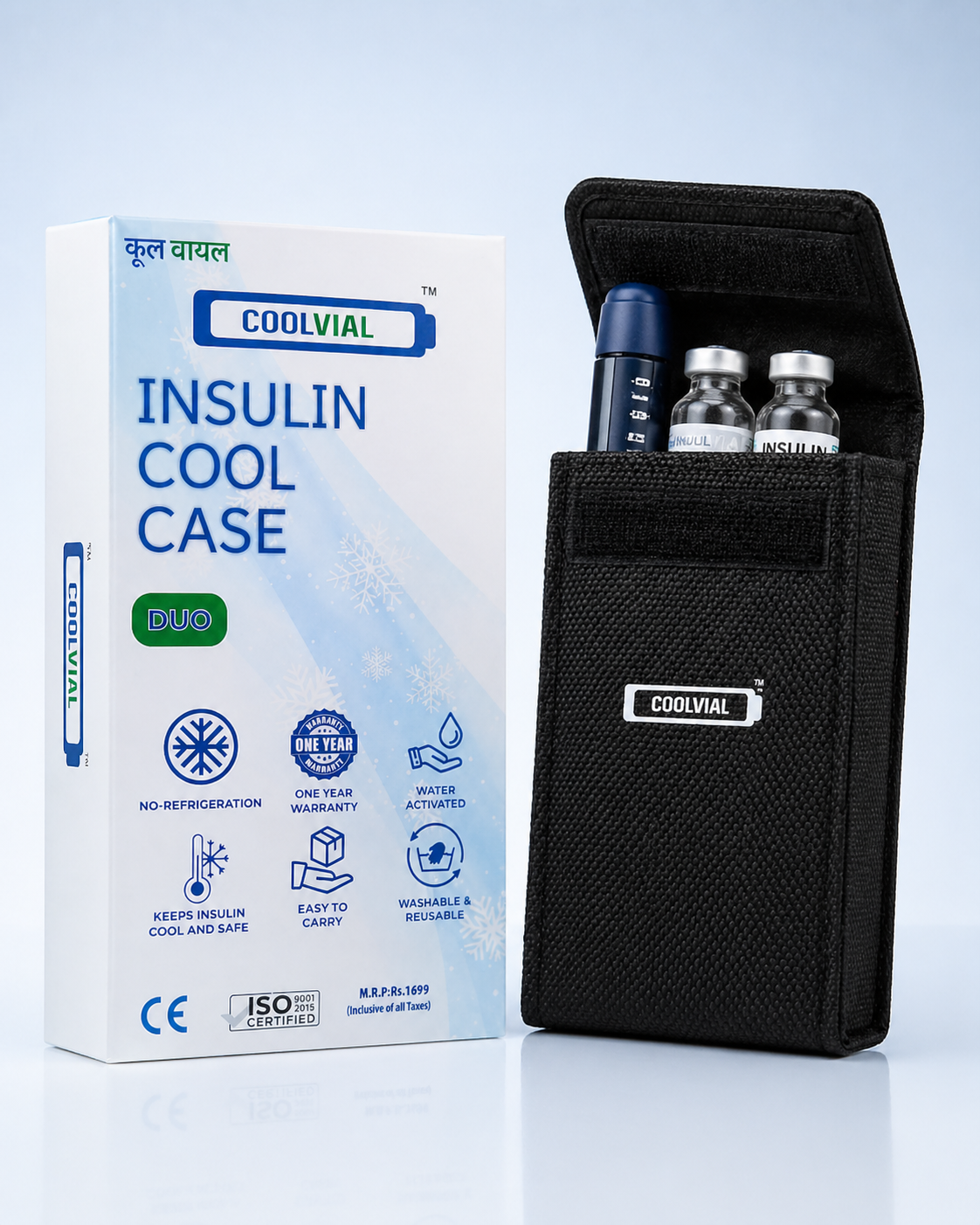
- Invest in a Quality Insulin Cool Case: This is perhaps the most critical step. A well-designed, insulated cool case specifically for insulin is indispensable. Look for cases that use advanced cooling technology like gel packs or evaporative cooling, designed to maintain temperatures within the safe range (2-8°C or 15-25°C) for extended periods, even in high ambient temperatures. Products like the COOLVIAL insulin cool case are specifically engineered for Indian conditions, offering robust protection against heat.
- Pre-Cool Your Insulin and Cooling Packs: Before packing, ensure your insulin is at its recommended temperature (refrigerated for unopened, room temp for in-use). Also, make sure your cool packs are adequately frozen or chilled according to the manufacturer’s instructions. A pre-cooled case will provide a better thermal barrier from the start of the day.
- Use a Thermometer for Monitoring: Consider placing a small, non-mercury thermometer inside the cool case if possible, especially during initial trials, to verify that the temperature remains within the safe range throughout the school day. This provides invaluable peace of mind and helps identify if your current storage method is adequate.
- Pack Only What’s Needed: Avoid sending extra vials or pens to school unless absolutely necessary. The less insulin exposed to potential temperature fluctuations, the better. Pack only the insulin pens or vials that will be used during school hours, plus an emergency backup if recommended by your doctor.
- Educate School Staff: Open communication with the school nurse, teacher, and relevant staff is vital. They should be aware of your child’s diabetes, where the insulin is stored, and the importance of keeping it cool. Discuss a designated safe place in the classroom or school office where the lunchbox containing insulin can be kept, away from direct sunlight or heat sources.
- Avoid Direct Sunlight and Heat Sources: Instruct your child to keep their lunchbox out of direct sunlight. This means not leaving it on a windowsill, near a heater (in colder months), or inside a hot car. Even a good cool case has its limits when exposed to extreme, direct heat for prolonged periods.
- Regularly Check Insulin for Changes: Teach your child (if old enough) and school staff to visually inspect insulin before use. Look for changes in clarity, color, or consistency. Insulin should generally be clear and colorless (unless it’s a cloudy type). If it appears cloudy, has particles, or has changed color, it should not be used, even if it was stored in a cool case.
Implementing these tips will significantly enhance the safety of school lunchbox insulin storage for your child in India.
Addressing India’s Unique Climatic and Lifestyle Challenges
India’s geographical and cultural diversity means that insulin storage solutions must be adaptable and robust. The challenges go beyond just temperature and extend into daily routines, travel, and community awareness.
Regional Climate Variations and Their Impact
- Extreme Heat: Cities like Jodhpur in Rajasthan, Bhopal in Madhya Pradesh, and Lucknow in Uttar Pradesh routinely experience summer temperatures exceeding 40°C. In such conditions, a standard lunchbox is completely inadequate for insulin. Even a well-insulated bag needs high-performance cooling elements to keep insulin below 30°C.
- High Humidity: Coastal cities like Mumbai, Chennai, and Kolkata, and states like Kerala and West Bengal, face severe humidity, especially during monsoon season. While humidity itself doesn’t directly degrade insulin, it can affect the performance of certain cooling methods (like evaporative coolers) and create a perception of less heat, leading to complacency. High humidity also increases discomfort, making cool storage even more critical.
- Monsoon Season: The monsoon brings its own set of problems, including intermittent rains, increased humidity, and often, more frequent power outages, making consistent refrigeration challenging. Ensuring school lunchbox insulin storage is effective during these months is crucial.
Managing Travel and Daily Commutes
7 Essential Tips for School Lunchbox Insulin Storage: A Parent's Guide for India
COOLVIAL keeps insulin safe in India's heat. 48+ hours, no electricity needed.
Many children in India commute significant distances to school, often by bus, auto-rickshaw, or even walking. This daily journey can expose insulin to fluctuating temperatures, direct sunlight, and jostling.
- Public Transport: Insulin in a regular backpack on a crowded bus or auto can quickly heat up. A robust cool case is essential here, providing a stable microclimate for the medication.
- Walking/Cycling: For children who walk or cycle to school, the cool case needs to be lightweight, durable, and capable of withstanding physical activity while maintaining its cooling function.
- Power Outages: In many parts of India, particularly during summer, power cuts are a daily reality. This impacts the ability to refreeze gel packs overnight or keep insulin refrigerated at home. Parents need backup strategies, such as having multiple sets of gel packs or considering cool cases that don’t rely solely on freezing.
The Role of Awareness and School Support
A critical, yet often overlooked, aspect of effective school lunchbox insulin storage in India is the level of awareness and support from the school community.
- Teacher Training: Many teachers may not fully understand the critical need for insulin temperature control. Educating them about the consequences of improper storage and the importance of a designated cool space can make a huge difference.
- School Nurse/Medical Staff: Schools with dedicated medical staff can be invaluable resources. They can assist with insulin administration and ensure proper storage during school hours.
- Peer Awareness: Fostering an environment where classmates understand and support a child’s diabetes management, including the need for special insulin storage, can reduce stigma and ensure help is available if needed.
By considering these India-specific factors, parents can develop a more comprehensive and resilient plan for their child’s school lunchbox insulin storage.
COOLVIAL: Your Trusted Partner for School Lunchbox Insulin Storage
In the demanding Indian environment, a reliable solution for school lunchbox insulin storage is not just a convenience; it’s a necessity. COOLVIAL is an Indian brand committed to providing effective and affordable insulin cool cases designed specifically to meet these challenges.
How COOLVIAL Cool Cases Work
COOLVIAL insulin cool cases are engineered with advanced insulation technology and come with high-performance gel packs. These gel packs, when frozen, absorb heat from the surroundings and maintain a stable, cool internal temperature for extended periods. This passive cooling system is ideal for daily commutes and school hours, where access to refrigeration might be limited or nonexistent. The design focuses on robust construction to withstand daily use by children, ensuring durability alongside critical temperature control. Our cases are designed to keep insulin within the safe 2-8°C range or below 25°C for many hours, even when outside temperatures in cities like Bengaluru, Hyderabad, or Pune soar.
The COOLVIAL Advantage for Indian Parents
COOLVIAL understands the unique needs of Indian parents and children living with Type 1 diabetes. Our cool cases offer several advantages:
- Designed for Indian Climate: Tested and proven to perform effectively in the high temperatures and humidity prevalent across India, from the scorching heat of Delhi to the tropical warmth of Goa.
- Affordable and Accessible: We believe that safe insulin storage should be accessible to everyone. Priced at just ₹1,099, COOLVIAL offers an economical solution without compromising on quality or performance. You can easily buy COOLVIAL at ₹1,099 via WhatsApp.
- Durable and Kid-Friendly: Built to withstand the rigors of a child’s daily school routine, our cases are compact, lightweight, and easy for children to carry and use.
- Peace of Mind: With a COOLVIAL cool case, parents can have confidence that their child’s insulin is protected, allowing children to focus on their studies and play without added worry. This ensures that the school lunchbox insulin storage is not a source of stress but a simple, manageable part of their day.
Choosing COOLVIAL means choosing a product developed with a deep understanding of the local context and a commitment to helping Indian families manage diabetes effectively.
Frequently Asked Questions about Insulin Storage
Navigating insulin storage, especially for a child’s school lunchbox, often brings up many questions. Here are some common queries with direct answers to help clarify best practices.
Q: What happens if insulin gets too hot in my child’s school lunchbox? A: If insulin gets too hot (above 30°C), its protein structure can degrade, causing it to lose potency and become ineffective at lowering blood sugar. This can lead to high blood sugar levels and should be avoided by using proper school lunchbox insulin storage methods.
Q: Can I store insulin in a regular insulated lunch bag with ice packs? A: A regular insulated lunch bag with ice packs might provide temporary cooling, but it’s often not designed to maintain a consistent, safe temperature range for insulin. Ice packs can also cause insulin to freeze, which is equally damaging. It’s safer to use an insulin-specific cool case with gel packs designed for this purpose.
Q: How long can insulin stay out of the refrigerator in India’s climate? A: Unopened insulin should ideally stay refrigerated (2-8°C) until its expiration date. Once opened or in use, most insulin pens or vials can be kept at room temperature (15-25°C) for up to 28 days. However, in India’s hot climate, “room temperature” often exceeds 25°C, making a cool case essential to keep it below 30°C, even for in-use insulin.
Q: Is it safe to carry insulin in my child’s backpack without a cool case during winter? A: While winter temperatures in some parts of India might be cooler, they can still be unpredictable. Insulin should never be exposed to freezing temperatures or direct sunlight. A cool case provides insulation against both extreme cold and any unexpected warm spells, making it a safer option year-round.
Q: What should I do if I suspect my child’s insulin has been exposed to extreme temperatures? A: If you suspect insulin has been exposed to extreme heat or cold, visually inspect it for changes in color or clarity. If it looks different, or if you are unsure, it’s best to discard it and use a fresh vial or pen. Always monitor blood glucose levels closely
7 Essential Tips for School Lunchbox Insulin Storage: A Parent's Guide for India
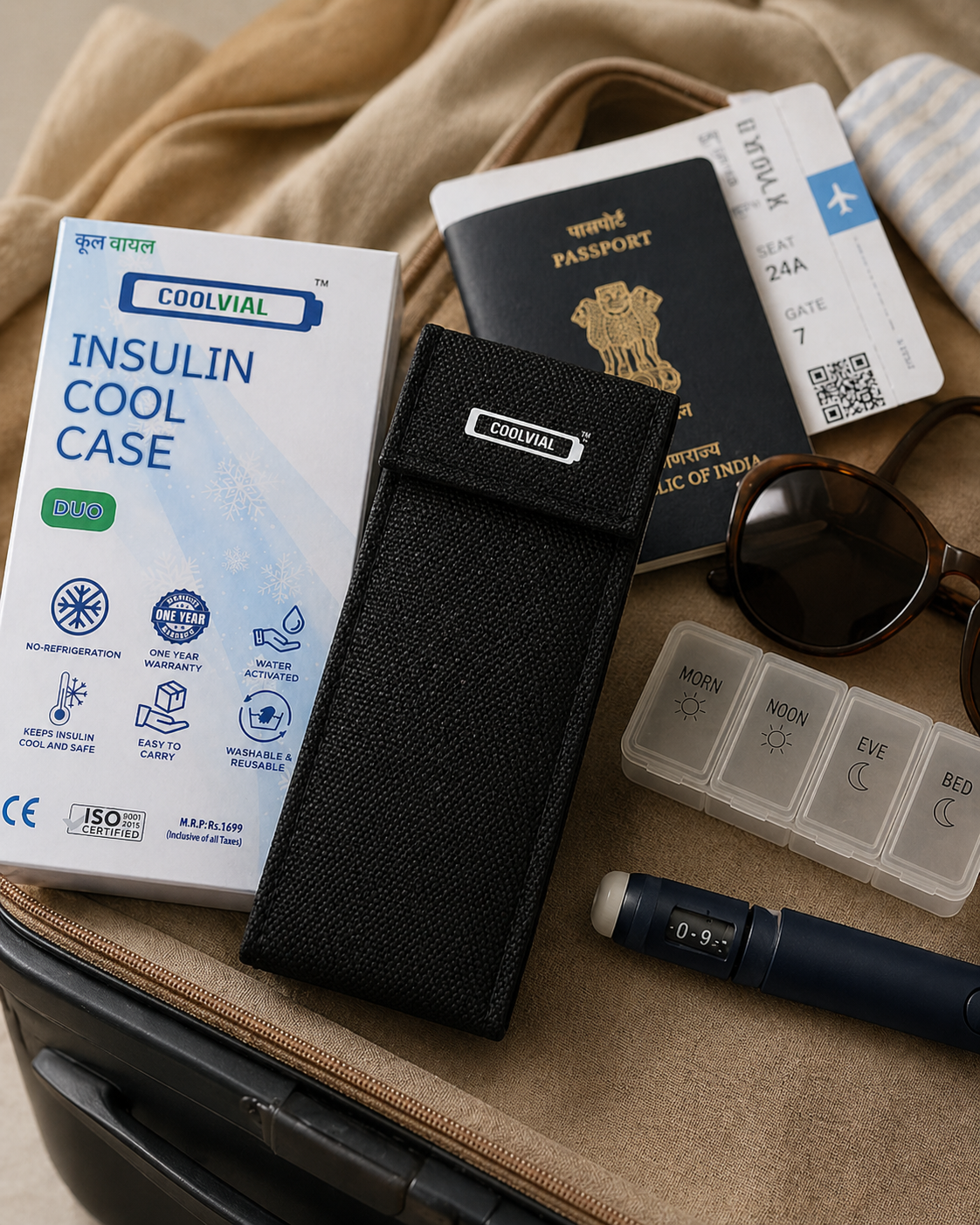
Keep your insulin safe in India's extreme heat. COOLVIAL works for 48+ hours without electricity.
7 Essential Tips for School Lunchbox Insulin Storage: A Parent's Guide for India
Insulin at 2-8°C for 48+ hours. Trusted by 10,000+ Indian diabetics.