
Reviewed by the COOLVIAL Editorial Team — specialists in insulin storage for Indian climate conditions.
For individuals managing diabetes in North India, ensuring proper insulin storage, especially during the colder months, is absolutely critical. The direct answer to avoiding the freezing risk for winter insulin storage in North India is to maintain a consistent temperature between 2-8°C for unopened vials and pens, and generally below 25°C but above 0°C for insulin in use. Insulin loses its efficacy if it freezes, rendering it useless and potentially leading to dangerously high blood sugar levels. Approximately 101 million Indians were living with diabetes in 2023, according to the IDF, highlighting the vast number of people impacted by these storage challenges. This comprehensive guide will provide practical, proven strategies to protect your vital medication from freezing temperatures, ensuring its potency and your well-being.
This article delves deep into the specific challenges posed by North Indian winters, offering actionable advice and highlighting smart solutions. You will learn about insulin’s temperature sensitivities, common storage mistakes, and how to implement effective safeguards against the cold. By understanding these nuances, you can navigate the winter season with confidence, ensuring your insulin remains safe and effective, regardless of the fluctuating temperatures.
Table of Contents
- Why Winter Insulin Storage in North India Matters: The Problem of Temperature Extremes
- Understanding Insulin’s Temperature Sensitivity: Core Concepts for Safe Storage
- 5 Proven Tips for Winter Insulin Storage in North India: Avoiding the Freezing Risk
- Navigating India-Specific Winter Challenges: Beyond the Basics
- COOLVIAL: Your Smart Solution for Winter Insulin Storage
- Frequently Asked Questions About Insulin Storage in Winter
- Empowering Your Diabetes Management This Winter
Why Winter Insulin Storage in North India Matters: The Problem of Temperature Extremes
North India experiences a distinct winter season, characterized by significant temperature drops, especially during the late night and early morning hours. Cities like Delhi, Chandigarh, Lucknow, and Jaipur often see temperatures plummeting to below 5°C, and in hilly regions like Shimla or Manali, they can easily dip below freezing point. This extreme cold poses a serious threat to insulin, a life-saving medication highly sensitive to temperature fluctuations. The primary concern is not just about keeping insulin cool, as one might focus on during summer, but actively preventing it from freezing.
When insulin freezes, its molecular structure changes irreversibly. Even if it thaws afterward, its potency is severely compromised, making it ineffective in managing blood sugar levels. This can lead to hyperglycaemia (high blood sugar), which, if left unmanaged, can result in acute complications like diabetic ketoacidosis (DKA) or hyperosmolar hyperglycemic state (HHS), both requiring immediate medical attention. The World Health Organization (WHO) emphasizes the importance of proper insulin storage to maintain its efficacy (Source: WHO Fact Sheet on Diabetes).
Many households in North India rely on refrigerators for insulin storage, which is generally suitable for unopened vials. However, a common mistake during winter is placing insulin too close to the freezer compartment or on the outer walls of the fridge, where temperatures can drop below 0°C. Furthermore, power cuts, though less frequent in winter compared to summer, can still occur, leading to fridge temperature fluctuations. For insulin in use, which is often kept at room temperature, homes without adequate heating or during travel, face substantial risks of exposure to sub-zero temperatures.
The challenge is multi-faceted: it involves understanding optimal temperature ranges, awareness of environmental factors, and adopting proactive measures. Urban dwellers, rural residents, and frequent travelers all face unique scenarios that necessitate careful planning for winter insulin storage in North India. This section highlights the critical need for vigilance and informed practices to safeguard this essential medication against the harsh realities of the North Indian winter.
Common Insulin Storage Risks in North India’s Winter
| Risk Factor | Description | Impact on Insulin |
|---|---|---|
| Freezer Proximity | Storing insulin too close to the freezer compartment or cold plates in a refrigerator, especially in older models or during power fluctuations. | Freezing, irreversible damage to molecular structure, loss of potency. |
| Unheated Rooms | Keeping insulin in bedrooms or living areas that are unheated overnight, especially in cities like Agra or Ludhiana where night temperatures dip significantly. | Exposure to temperatures below freezing, rendering insulin ineffective. |
| Travel Exposure | Carrying insulin in luggage compartments of buses or trains, or leaving it in a parked vehicle overnight. | Direct exposure to freezing conditions during transit or prolonged stops. |
| Power Cuts | While less common in winter, prolonged power outages can cause refrigerator temperatures to fluctuate, potentially dipping too low after restoration. | Unpredictable temperature changes, risk of freezing if not monitored. |
| Misinformation/Neglect | Lack of awareness about insulin’s sensitivity to cold, leading to improper storage practices. | Accidental freezing, reliance on ineffective medication, health complications. |
Understanding Insulin’s Temperature Sensitivity: Core Concepts for Safe Storage
Insulin is a delicate protein hormone, and its effectiveness is directly tied to its structural integrity. This structure is highly sensitive to temperature extremes, both heat and cold. While much attention is often paid to keeping insulin cool in hot climates, the risk of freezing in winter is equally, if not more, damaging. Understanding these core concepts is fundamental to effective winter insulin storage in North India.
5 Proven Tips for Winter Insulin Storage in North India: Avoiding the Freezing Risk
Keep your insulin safe in India's extreme heat. COOLVIAL works for 48+ hours without electricity.
The Ideal Temperature Range for Insulin
5 Proven Tips for Winter Insulin Storage in North India: Avoiding the Freezing Risk
48+ hours at 2-8°C. No electricity. CE certified. Free delivery across India.
Order on WhatsApp — ₹1,099🛒 Buy Now — ₹1,099Unopened insulin vials and pens should ideally be stored in a refrigerator, at temperatures between 2°C and 8°C (36°F and 46°F). This range ensures maximum shelf life, often until the expiration date printed on the package. Once an insulin vial or pen is opened or put into use, it can generally be stored at room temperature, typically below 25°C (77°F), for a specific period (usually 28 days for vials and pens, or up to 42 days for some specific pens, as per manufacturer guidelines). However, it is crucial that this “room temperature” does not fall below 0°C (32°F).
What Happens When Insulin Freezes?
When insulin freezes, the water molecules within it expand, causing the insulin protein structure to break down. This process is irreversible. Even if the insulin thaws and appears normal, its chemical composition has changed, and it will no longer function effectively to lower blood glucose. Using frozen-then-thawed insulin can lead to dangerously high blood sugar levels because the body isn’t receiving the active hormone it needs. This can be particularly dangerous for individuals whose bodies produce little to no insulin.
Recognizing Damaged Insulin
It’s vital to know how to identify compromised insulin. If your insulin has frozen, you might notice:
- Crystallization: Small ice crystals might be visible.
- Cloudiness: Clear insulin (like Humalog, Novolog, Apidra, Lantus, Levemir) may appear cloudy or contain particles.
- Clumping or Granules: NPH insulin (a cloudy insulin) might have flakes or clumps that don’t dissolve easily.
- Changes in Consistency: The insulin might feel thicker or stickier.
- Discoloration: Any change in color from its original state.
If you suspect your insulin has frozen or been exposed to extreme cold, do not use it. Discard it immediately and start with a fresh vial or pen.
Factors Affecting Insulin Stability
Beyond freezing, other factors can impact insulin stability:
- Direct Sunlight: UV rays can degrade insulin. Always store in its original packaging away from light.
- Extreme Heat: Temperatures above 30°C (86°F) can also damage insulin, reducing its effectiveness. This is a concern in North India during transitional seasons or if winter days are unusually warm.
- Vigorous Shaking: While some insulin types (like NPH) require gentle rolling to mix, vigorous shaking can damage the protein structure.
- Expiration Date: Always adhere to the expiration date on the package for unopened insulin and the “in-use” expiration period once opened.
Proper insulin storage is a continuous responsibility, requiring diligence and awareness of both the ambient temperature and the specific requirements of your insulin type.
Insulin Storage Temperature Guidelines
| Insulin State | Recommended Temperature Range | Maximum Duration | Key Risk |
|---|---|---|---|
| Unopened | 2°C to 8°C (Refrigerated) | Until expiration date on package | Freezing if too close to freezer, heat damage |
| Opened/In Use | Below 25°C (Room Temp) | 28-42 days (check specific manufacturer’s guide) | Freezing if ambient temp drops below 0°C, heat damage above 25°C |
| Freezing Point | 0°C (32°F) or below | Irreversible damage upon freezing | Loss of potency, dangerous high blood sugar |
| Heat Damage | Above 30°C (86°F) | Rapid degradation | Loss of potency, dangerous high blood sugar |
5 Proven Tips for Winter Insulin Storage in North India: Avoiding the Freezing Risk
5 Proven Tips for Winter Insulin Storage in North India: Avoiding the Freezing Risk
Don't let Indian heat spoil your insulin. COOLVIAL protects it for 48+ hours.
Navigating the chilly North Indian winters requires a proactive approach to winter insulin storage in North India. Here are 5 proven tips to ensure your insulin remains effective and safe from freezing temperatures:
-
Strategic Refrigerator Placement:
- Avoid the Freezer Compartment: This might seem obvious, but never store insulin in the freezer itself.
- Optimal Shelf Position: In your refrigerator, store unopened insulin vials and pens on a middle shelf, away from the back wall (which can get extremely cold) and the freezer compartment. The door, while convenient, can experience temperature fluctuations.
- Use a Container: Place insulin in a sealed plastic container within the fridge. This adds an extra layer of insulation against extreme cold spots and prevents accidental contact with freezing surfaces.
- Monitor Fridge Temperature: Consider using a small, inexpensive refrigerator thermometer to regularly check the temperature inside your fridge, ensuring it stays consistently between 2°C and 8°C. This is especially important during power cuts or if your fridge is old.
-
Insulate Insulin in Use at Room Temperature:
- Protect from Cold Drafts: For insulin pens or vials currently in use (which can be kept at room temperature, typically below 25°C for up to 28 days), ensure they are not placed near windows, exterior walls, or air conditioning vents that might emit cold drafts.
- Use Insulated Pouches Indoors: Even inside your home, a simple insulated pouch or a small travel case can provide a buffer against sudden temperature drops overnight. This is crucial in regions like Punjab and Haryana where night temperatures can dip significantly.
- Avoid Direct Contact with Cold Surfaces: Do not leave insulin directly on cold marble or tile floors, window sills, or unheated surfaces. Place it on a wooden table, in a drawer, or a cupboard.
-
Smart Travel Planning and Protection:
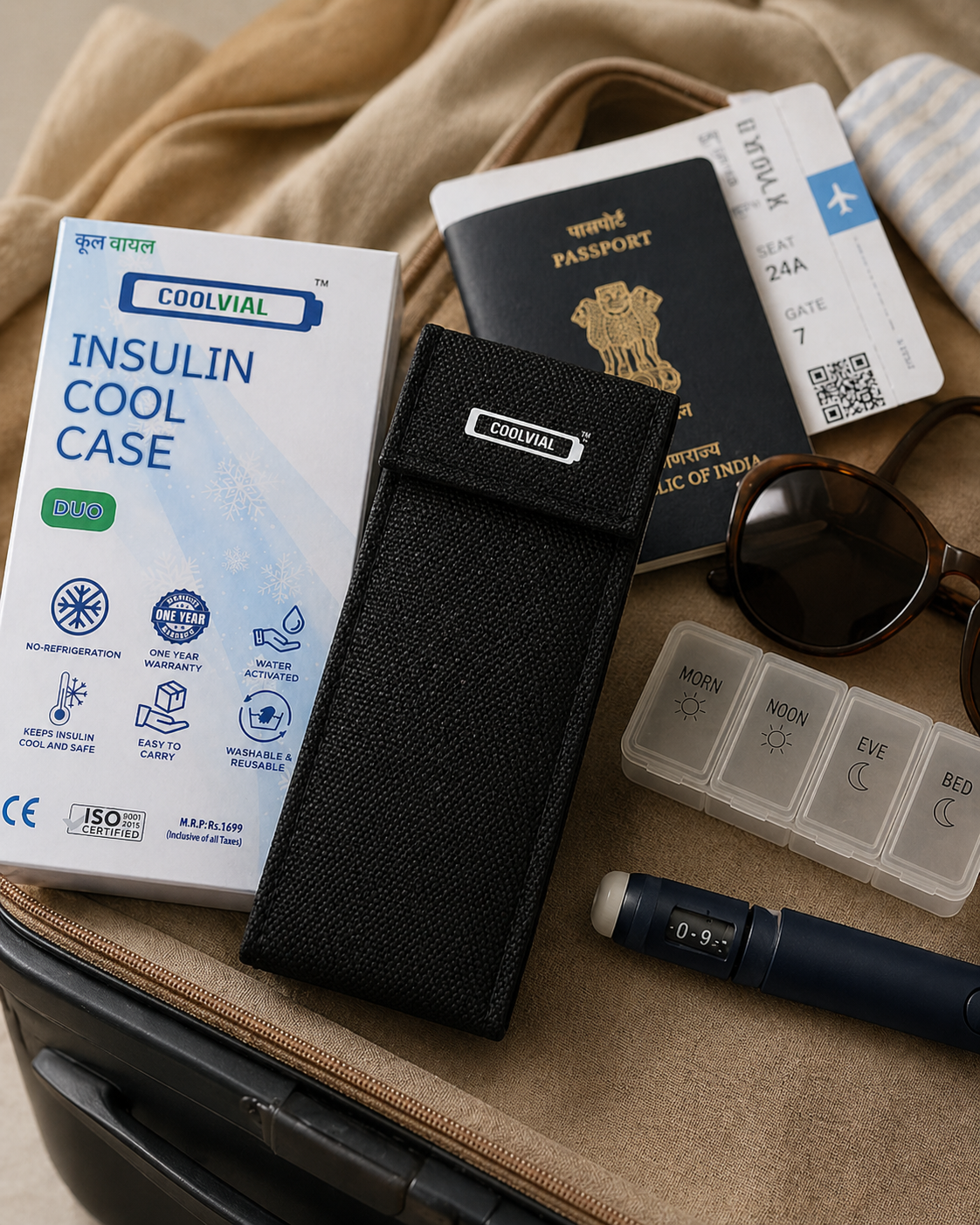
- Hand Luggage is Key: When traveling by air, always carry your insulin in your carry-on baggage. Checked luggage compartments can reach freezing temperatures.
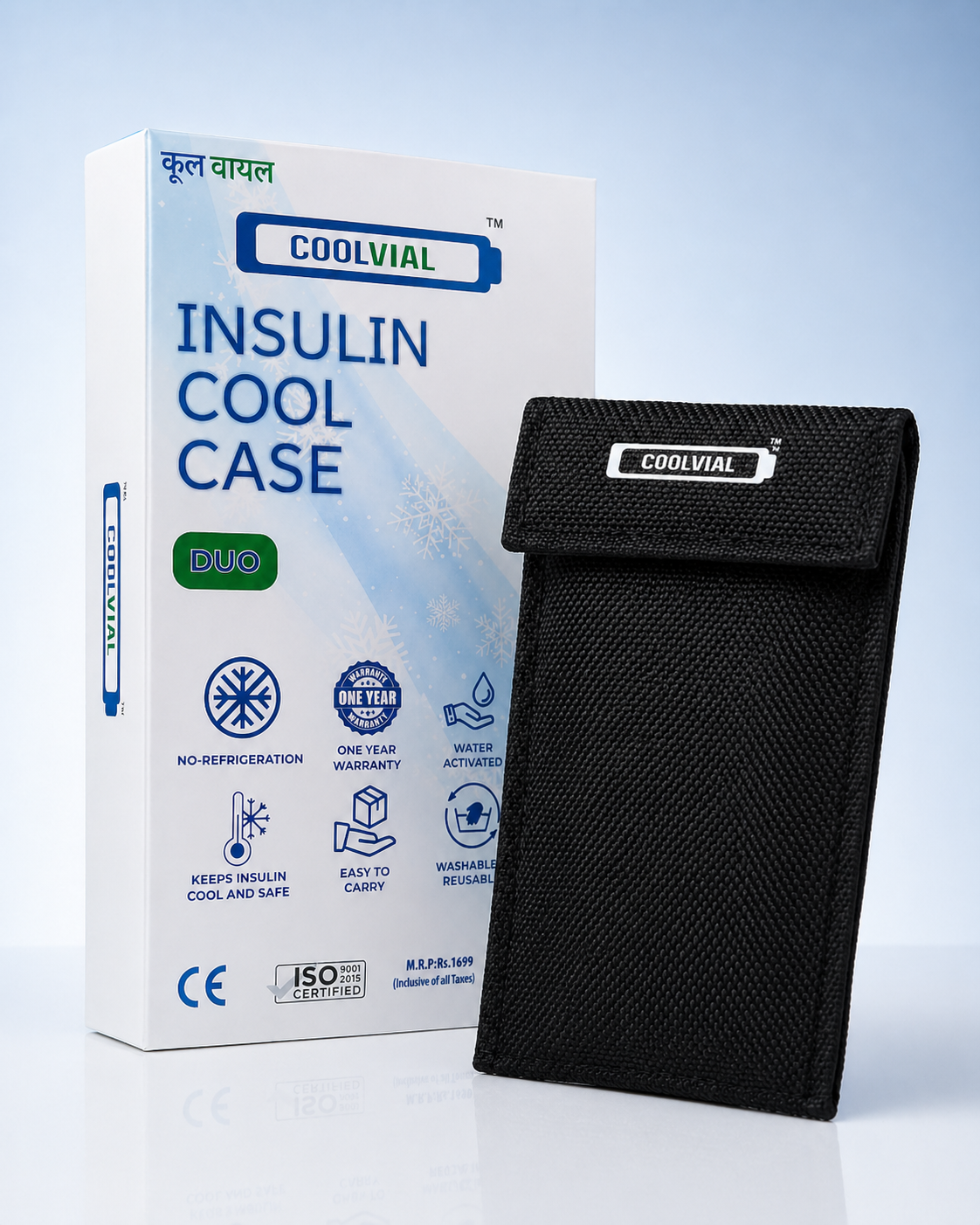
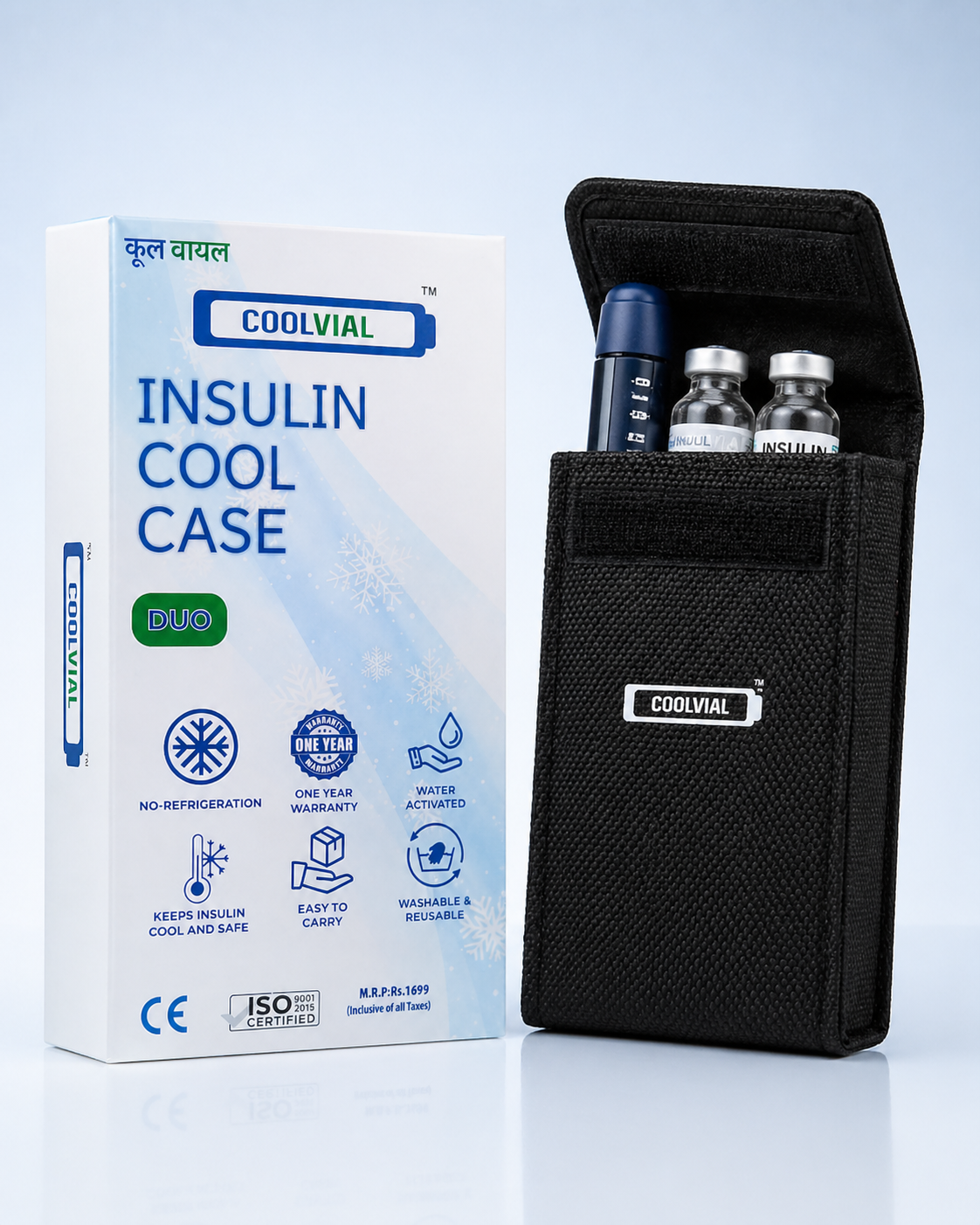
- Insulated Travel Cases: For bus, train, or car travel across North India, especially to colder destinations like Uttarakhand or Himachal Pradesh, invest in a reliable, insulated travel case. These cases, like the COOLVIAL insulin cool case, are designed to protect insulin from both extreme heat and cold, maintaining a stable temperature for extended periods.
- Personal Contact: In extremely cold conditions, consider carrying your insulin close to your body, such as in an inside pocket, using your body heat as a natural insulator.
- Never Leave in Vehicles: Never leave insulin in a parked car, bus, or train overnight, as temperatures inside can plummet well below freezing.
-
Emergency Preparedness and Monitoring:
- Backup Supply: Always have a small backup supply of insulin, stored correctly, in case your primary supply is compromised.
- Temperature Log: For those living in areas with highly fluctuating temperatures, maintaining a simple temperature log (ambient and fridge) can help identify patterns and risks.
- Know Your Symptoms: Be aware of the signs of high blood sugar (hyperglycemia) – increased thirst, frequent urination, blurred vision, fatigue. If you experience these symptoms and suspect your insulin might be compromised, contact your doctor immediately.
- Reliable Thermometers: Use both a refrigerator thermometer and a room thermometer to monitor temperatures accurately.
-
Educate Yourself and Your Family:
- Share Knowledge: Ensure family members, caregivers, and travel companions are aware of the critical importance of proper insulin storage and how to handle it in cold weather.
- Manufacturer Guidelines: Always refer to the specific insulin manufacturer’s guidelines for storage, as recommendations can vary slightly between brands and types (e.g., vials vs. pens). This information is usually found in the package insert.
- Seek Expert Advice: If you are unsure about storage practices, especially when planning travel or facing unique living situations, consult your doctor or pharmacist.
By implementing these 5 proven tips for winter insulin storage in North India, you can significantly reduce the risk of your insulin freezing, ensuring its potency and your peace of mind throughout the colder months.
Navigating India-Specific Winter Challenges: Beyond the Basics
While general insulin storage guidelines apply globally, India’s unique climate, infrastructure, and lifestyle add layers of complexity. For winter insulin storage in North India, these specific challenges must be addressed proactively to ensure medication safety.
Regional Temperature Variations
North India is not monolithic in its winter climate.
- Plains (Delhi, Lucknow, Chandigarh, Jaipur): Experience cold waves where night temperatures can drop to 2-3°C, occasionally even below 0°C. Days can be foggy and chilly.
- Hilly Regions (Shimla, Manali, Srinagar, Dehradun): Often see sub-zero temperatures, snowfall, and extended periods of freezing conditions.
- Desert Areas (Parts of Rajasthan): While days can be warm, desert nights can be extremely cold, with temperatures dipping sharply after sunset.
These variations mean that a “one-size-fits-all” approach to insulin storage is insufficient. Residents of Srinagar, for instance, need more robust cold protection than those in Jaipur, though both face freezing risks.
Power Cuts and Unreliable Electricity
While urban centres in North India generally have better electricity supply, rural areas and smaller towns, or even parts of larger cities, can experience intermittent power cuts. During winter, a power outage can lead to:
- Refrigerator Temperature Drop: If power is out for several hours, the refrigerator’s internal temperature can drop, potentially bringing insulin stored near colder sections into freezing territory once power is restored and the fridge tries to cool down rapidly.
- Lack of Heating: For those relying on electric heaters, power cuts mean unheated rooms, exposing insulin to ambient freezing temperatures.
- Statistics: While specific winter statistics are harder to find, 78% of Indian households, as per some estimates, face daily power cuts, especially in rural areas, highlighting the widespread nature of this challenge.
Travel by Public Transport
Millions of Indians travel by train and bus, especially during festival seasons like Diwali (which can extend into late autumn/early winter) or New Year.
- Non-AC Compartments: Non-air-conditioned train compartments and buses can get extremely cold, particularly overnight journeys through states like Uttar Pradesh or Rajasthan.
- Luggage Racks/Overhead Compartments: Insulin placed in these areas, away from body heat, is highly susceptible to freezing.
- Long Journey Durations: Extended travel times mean prolonged exposure to potentially damaging temperatures.
Housing Conditions
Many homes in North India, particularly older constructions or those in rural settings, may not have centralized heating or adequate insulation against extreme cold.
- Cold Rooms: Bedrooms or living areas can drop to ambient outdoor temperatures during
5 Proven Tips for Winter Insulin Storage in North India: Avoiding the Freezing Risk
Keep your insulin safe in India's extreme heat. COOLVIAL works for 48+ hours without electricity.
5 Proven Tips for Winter Insulin Storage in North India: Avoiding the Freezing Risk
COOLVIAL keeps insulin safe in India's heat. 48+ hours, no electricity needed.