
Reviewed by the COOLVIAL Editorial Team — specialists in insulin storage for Indian climate conditions.
For individuals managing diabetes in India, particularly those relying on insulin, understanding proper storage is paramount. Insulin, a life-saving medication, is highly sensitive to temperature fluctuations and can quickly lose its efficacy if not stored correctly, especially in India’s diverse and often challenging climate. Whether you reside in an AC-controlled environment or a non-AC home, mastering ac vs nonac homes in india best practices for insulin storage is critical. Unopened insulin must be kept refrigerated between 2-8°C, while opened insulin can be stored at room temperature, typically below 25°C, for up to 28 days. Failure to maintain these temperatures can lead to significant loss of potency, impacting blood sugar control.
Introduction
India’s vast geography presents a unique set of challenges for insulin users. From the scorching summers of Rajasthan and Uttar Pradesh to the humid monsoons of Kerala and West Bengal, maintaining optimal storage conditions for insulin can be a constant struggle. The distinction between ac vs nonac homes in india best practices for insulin storage isn’t just a matter of comfort; it’s a vital aspect of diabetes management. Improper storage, particularly exposure to excessive heat or freezing temperatures, can degrade insulin, rendering it ineffective and potentially leading to dangerous blood sugar levels.
This comprehensive guide will equip you with 10 essential practices for insulin storage, tailored specifically for the Indian context. We’ll explore the science behind insulin’s temperature sensitivity, delve into practical tips for both AC and non-AC households, highlight India-specific challenges like power cuts and travel, and introduce solutions like the COOLVIAL insulin cool case. By the end of this article, you’ll have a robust understanding of how to protect your insulin, ensuring its potency and your peace of mind, regardless of your living situation or the season.
Table of Contents
- Why Insulin Storage Matters in India: The Problem
- Core Concepts of Insulin Storage: How Temperature Affects Efficacy
- 10 Essential Practices for Insulin Storage in AC vs Non-AC Homes
- India-Specific Context: Climate, Power Cuts, and Travel Challenges
- COOLVIAL: Your Smart Solution for Insulin Storage in Indian Climates
- Frequently Asked Questions about Insulin Storage
- Conclusion
Why Insulin Storage Matters in India: The Problem
India’s climate, characterized by extreme temperatures and high humidity across many regions, poses a significant threat to insulin’s stability. Insulin is a protein, and like many proteins, it is highly susceptible to denaturation when exposed to temperatures outside its recommended range. The World Health Organization (WHO) and major diabetes associations globally recommend specific storage conditions to maintain insulin’s potency. Unopened insulin should be refrigerated at 2-8°C (36-46°F), while insulin currently in use can typically be stored at room temperature, ideally below 25°C (77°F), for up to 28 days (Source: Diabetes UK). Exceeding these temperatures, particularly above 30°C, can rapidly degrade insulin, leading to reduced effectiveness.
The consequences of using degraded insulin are serious. Patients might experience unexplained high blood sugar levels, increasing the risk of hyperglycaemia, diabetic ketoacidosis, and long-term complications. This not only compromises health but also leads to increased medical costs due to poor glycemic control and the need for more insulin or emergency care. In a country where diabetes prevalence is rapidly increasing – India had 101 million diabetics in 2023, according to the International Diabetes Federation (IDF) – ensuring proper medication storage is a public health imperative.
The challenge is multifaceted. Many Indian households, especially in rural and semi-urban areas, do not have consistent access to air conditioning. Even in urban centers like Delhi, Mumbai, or Chennai, where ACs are common, frequent power cuts during peak summer months can disrupt cold chain maintenance. For example, summer temperatures in Delhi often exceed 45°C, making it impossible to store insulin safely at ambient temperatures without specific cooling solutions. A study by the Council on Energy, Environment and Water (CEEW) in 2022 indicated that 78% of Indian households face daily power cuts, with durations often exceeding 2 hours, presenting a real risk to refrigerated medications. This underscores why understanding ac vs nonac homes in india best practices for insulin storage is crucial for every diabetic.
10 Essential Practices for Insulin Storage: AC vs Non-AC Homes in India
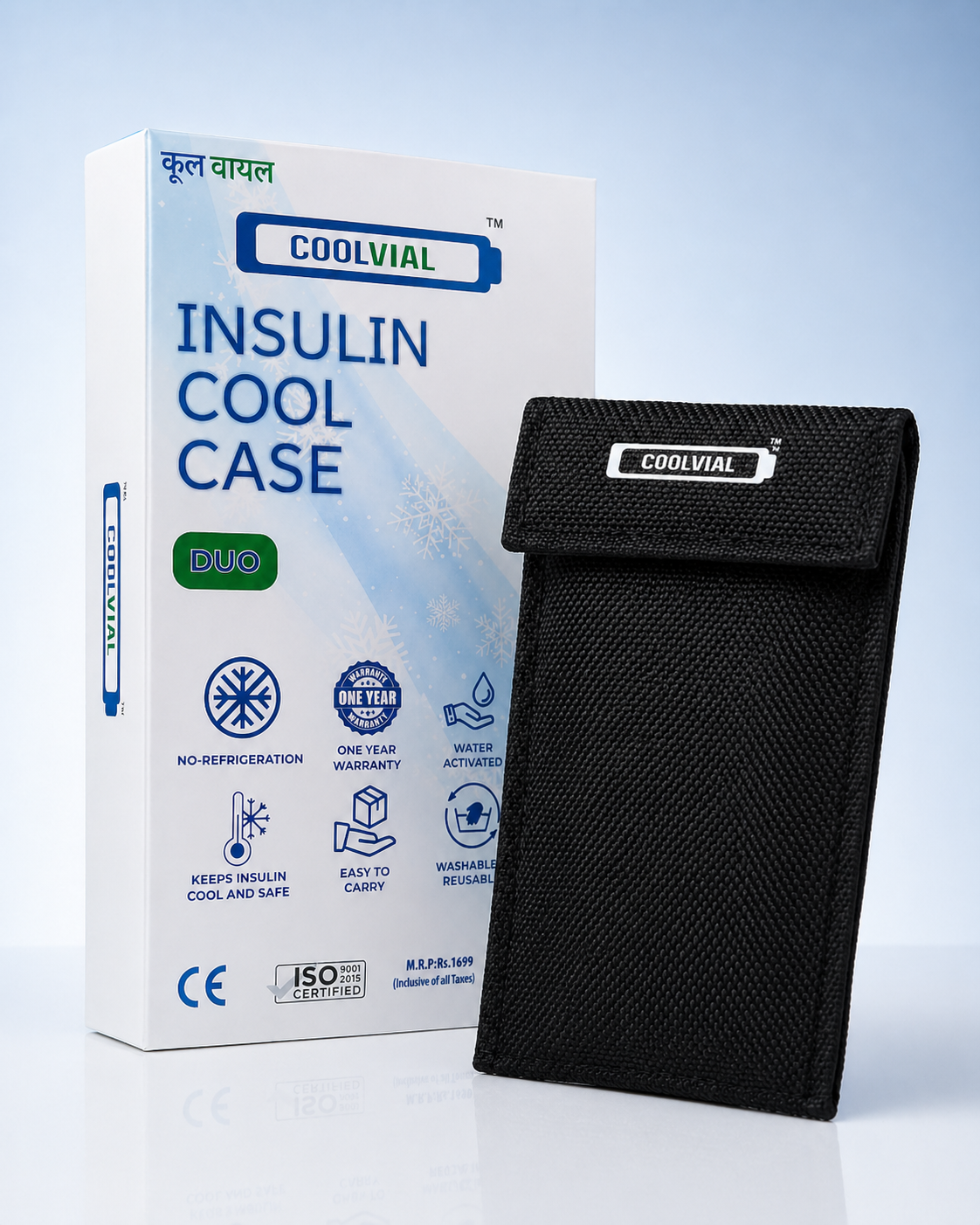
Don't let Indian heat spoil your insulin. COOLVIAL protects it for 48+ hours — at home, travelling, or during power cuts.
| Storage Condition | Recommended Temperature | Maximum Duration | Potential Risks in India |
|---|---|---|---|
| Unopened Insulin | 2-8°C (Refrigerated) | Until Expiry Date | Power cuts, fluctuating fridge temps |
| Opened Insulin | Below 25°C (Room Temp) | 28 days | High ambient temperatures (summers), humidity |
| Freezing | Avoid Below 0°C | N/A | Damages insulin structure, renders it ineffective |
| Extreme Heat | Avoid Above 30°C | Rapid degradation | Loss of potency, risk of hyperglycemia |
This table clearly illustrates the narrow window of safety for insulin. The Indian environment, with its heat waves, humidity, and unreliable power supply, constantly challenges these delicate parameters. Therefore, proactive and informed storage practices are not just recommended, but absolutely essential for the well-being of millions of Indian diabetics.
Core Concepts of Insulin Storage: How Temperature Affects Efficacy
Insulin is a polypeptide hormone, meaning it’s a chain of amino acids. Its specific three-dimensional structure is what allows it to bind to receptors and facilitate glucose uptake. When exposed to extreme temperatures, this delicate structure can unravel or aggregate, a process known as denaturation. Once denatured, insulin loses its ability to function effectively, becoming less potent or even completely inactive. This is why maintaining a stable temperature range is non-negotiable for insulin’s efficacy.
Unopened Insulin Storage
Unopened insulin vials, pens, or cartridges should always be stored in a refrigerator. The ideal temperature range is consistently between 2°C and 8°C (36°F and 46°F). This cool, dark environment prevents degradation and ensures the insulin remains potent until its expiry date, which is typically much longer than for opened insulin. It’s crucial not to store insulin in the freezer compartment or directly against the freezer wall, as freezing can permanently damage the insulin, making it unusable. Similarly, storing it in the refrigerator door is often discouraged, as temperature fluctuations from opening and closing the door can be significant.
Opened Insulin Storage
Once an insulin vial, pen, or cartridge is opened and put into use, the storage recommendations change. It should no longer be refrigerated but instead kept at room temperature. The general guideline is to store opened insulin at temperatures below 25°C (77°F) for up to 28 days. Some manufacturers may specify slightly different durations or temperature limits (e.g., up to 30°C or 42 days), so always check the specific product’s instructions.
The reason for this shift is twofold:
- Comfort: Injecting cold insulin can be uncomfortable and sometimes painful.
- Stability: Repeatedly warming and cooling insulin (as would happen if you took it out of the fridge for each dose and put it back) can also contribute to degradation.
"Finally a cooler that works in Indian summers. Insulin stayed perfect during a 3-day power cut." — Ramesh, Chennai
10 Essential Practices for Insulin Storage: AC vs Non-AC Homes in India
CE Certified · Free Delivery · 1-Year Warranty · Made for India
📲 Buy on WhatsApp — ₹1,099🛒 Buy Now — ₹1,099However, “room temperature” in India is rarely consistent. In many parts of the country, ambient temperatures can easily soar above 25°C, especially during summer. Even in AC homes, if the AC is turned off for extended periods or during power cuts, room temperatures can rise quickly. This makes the ac vs nonac homes in india best practices for insulin storage distinction incredibly important, as managing ambient heat is the primary challenge. For instance, in cities like Hyderabad or Ahmedabad, where summer temperatures frequently cross 40°C, a non-AC home’s “room temperature” is far from safe for opened insulin.
| Insulin Type | Condition | Ideal Temp Range | Max Storage Duration | Key Considerations |
|---|---|---|---|---|
| Vials | Unopened | 2-8°C | Until Expiry Date | Refrigerate, avoid freezing |
| Opened | Below 25°C | 28 days | Avoid direct sunlight/heat | |
| Pens | Unopened | 2-8°C | Until Expiry Date | Refrigerate, avoid freezing |
| Opened | Below 25°C | 28-42 days (check brand) | Carry in cool case, avoid shaking | |
| Cartridges | Unopened | 2-8°C | Until Expiry Date | Refrigerate, avoid freezing |
| Opened | Below 25°C | 28 days | Handle carefully, avoid extreme temps |
Understanding these core concepts is the foundation for effective insulin management. Without this knowledge, even the best intentions can lead to suboptimal outcomes, highlighting why detailed guidance on ac vs nonac homes in india best practices for insulin storage is so vital.
10 Essential Practices for Insulin Storage in AC vs Non-AC Homes
Navigating insulin storage in India requires a blend of vigilance, planning, and practical solutions. Here are 10 essential practices, tailored for both AC and non-AC households, to ensure your insulin remains potent and safe. These tips are crucial for effective diabetes management, especially considering the varied climate conditions across the subcontinent.
- Always Refrigerate Unopened Insulin (2-8°C): This is universal. Whether you have AC or not, all unopened insulin must be stored in the main body of your refrigerator, not the door or freezer compartment. Ensure your fridge is functioning correctly and maintaining the ideal temperature range. Use a refrigerator thermometer for accuracy.
- Monitor Your Refrigerator Temperature Regularly: Power fluctuations are common in India. In non-AC homes, the fridge might struggle more. In AC homes, power cuts still affect the fridge. Check the temperature daily. If it consistently goes above 8°C, investigate the issue or consider alternative storage for backup.
- For Opened Insulin in AC Homes (Below 25°C): If your home maintains a consistent temperature below 25°C with AC, you can store your opened insulin pens/vials at room temperature. Keep them in a cool, dark cupboard, away from windows, direct sunlight, and heat-emitting appliances (like televisions or ovens).
- For Opened Insulin in Non-AC Homes (When Temps Exceed 25°C): This is where it gets critical. If your ambient room temperature regularly exceeds 25°C, especially during summer or monsoon, you cannot rely on “room temperature” storage. You MUST use a reliable cooling solution. Options include:
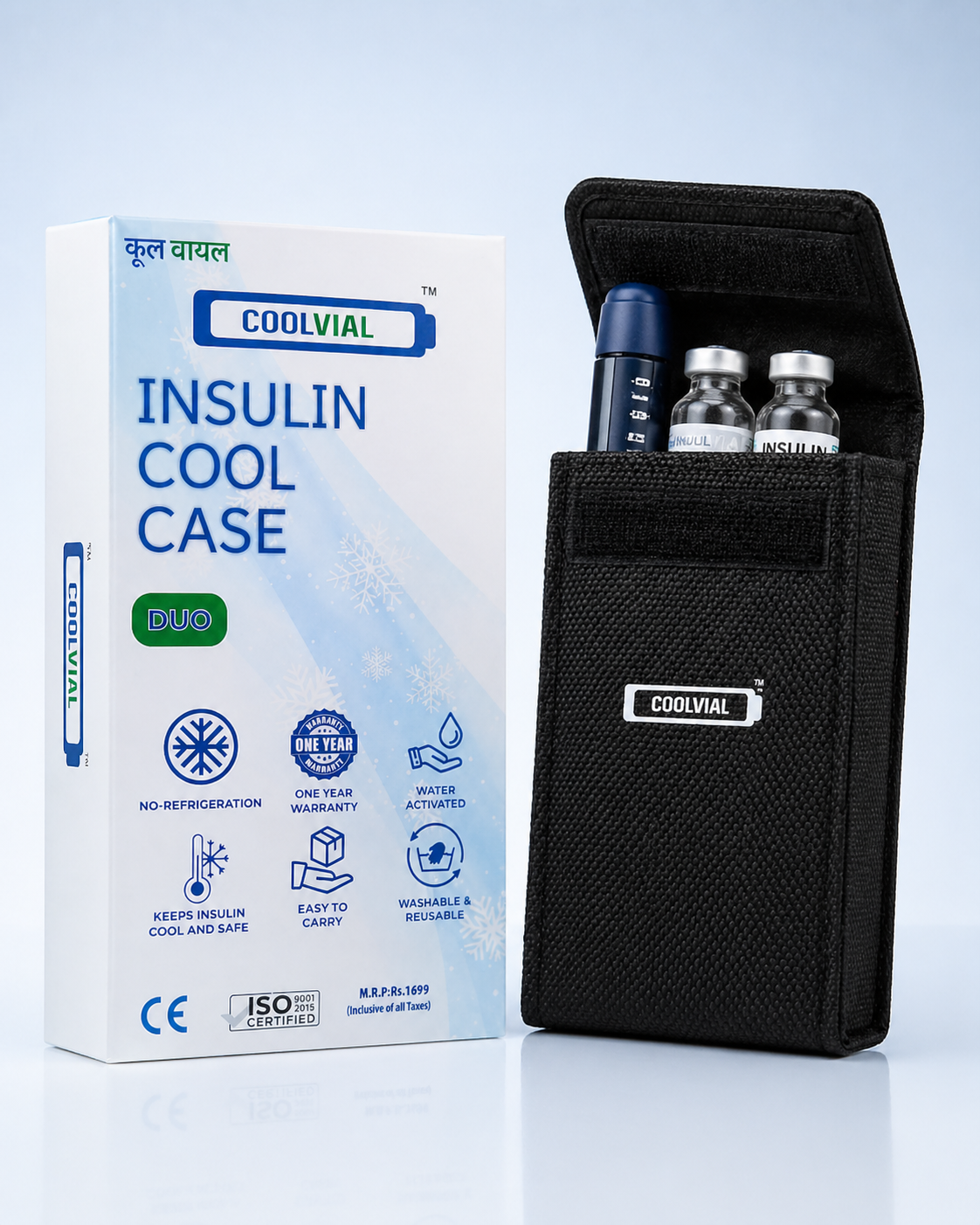
- COOLVIAL Insulin Cool Case: Specifically designed to maintain insulin within safe temperatures (typically 18-25°C) even when ambient temperatures are much higher. This is a game-changer for non-AC environments and travel.
- Evaporative Coolers: Some non-electric evaporative coolers (like clay pots or wet cloths) can offer marginal cooling, but their effectiveness is limited and inconsistent for precise insulin storage.
- Small Personal Coolers: Battery-operated or USB-powered mini-refrigerators can work, but check their temperature range and battery life.
- Protect from Direct Sunlight and Heat Sources: Regardless of AC status, direct sunlight is a major enemy of insulin. Never leave insulin on windowsills, in cars, or near any heat source like stoves, heaters, or even warm electronic devices. This applies to both opened and unopened insulin.
- Avoid Freezing Insulin: Just as heat damages insulin, so does freezing. If insulin freezes, even partially, its protein structure is destroyed, and it becomes ineffective. Do not use insulin that has frozen. In winter months, particularly in colder regions like Kashmir or Himachal Pradesh, ensure your refrigerated insulin doesn’t freeze.
- Be Mindful of Humidity: High humidity, prevalent in coastal cities like Mumbai, Chennai, and Kolkata, can affect the integrity of insulin pens, vials, and their labels, potentially leading to errors. Store insulin in airtight containers if possible, particularly in very humid conditions, to protect the packaging.
- Carry Insulin Safely During Travel: Whether by train, bus, or car across India, proper transport is essential. Never put insulin in checked luggage on flights (it can freeze). For daily commutes or longer journeys, a dedicated COOLVIAL insulin cool case is indispensable. It will protect your insulin from both heat and physical shock. For more insulin storage tips on the go, check our detailed guide.
- Always Have a Backup Plan for Power Cuts: In India, power cuts are a reality. If you rely on refrigeration, have a strategy. A COOLVIAL case can act as an excellent backup, keeping insulin safe for hours without electricity. For longer outages, consider a neighbor’s fridge or a local pharmacy’s cold storage, if feasible and safe.
- Check Expiry Dates and Appearance: Always check the expiry date on your insulin. Even properly stored insulin expires. Also, inspect the insulin visually before each use. It should be clear and colourless (unless it’s NPH, which is cloudy). If it looks discoloured, cloudy (when it shouldn’t be), or has particles, discard it.
By implementing these best practices, individuals can significantly improve the safety and efficacy of their insulin. The distinction between ac vs nonac homes in india best practices for insulin storage is primarily about how you manage ambient temperatures for opened insulin, with dedicated cooling solutions becoming non-negotiable in non-AC or frequently power-cut affected environments.
India-Specific Context: Climate, Power Cuts, and Travel Challenges
India’s geographical diversity is both a blessing and a challenge, especially for those managing temperature-sensitive medications like insulin. The country experiences a wide range of climatic conditions that directly impact ac vs nonac homes in india best practices for insulin storage.
Regional Climates and Their Impact:
- Northern Plains (e.g., Delhi, Uttar Pradesh, Punjab): Experience extreme summers with temperatures often exceeding 45°C (113°F). Winters can be very cold, occasionally dipping below 0°C. Storing opened insulin at room temperature in summer is impossible without active cooling. In winter, ensuring refrigerated insulin doesn’t freeze is a concern.
- Western Deserts (e.g., Rajasthan, Gujarat): Known for scorching hot days and often cooler nights. Dry heat can still degrade insulin quickly. Dust and sand can also pose challenges to insulin pens and vials.
- Coastal Regions (e.g., Mumbai, Chennai, Kolkata, Kerala): High temperatures combined with extremely high humidity create a suffocating environment. While humidity itself doesn’t directly degrade insulin like heat, it can affect packaging, labels, and the comfort of using insulin. Temperatures rarely drop, making year-round cooling solutions essential for opened insulin.
- Deccan Plateau (e.g., Bengaluru, Hyderabad, Pune): Generally more moderate, but summers can still reach 35-40°C. Monsoon brings humidity. These regions might experience slightly less severe heat than the plains but still require careful management.
- Himalayan Regions (e.g., Uttarakhand, Himachal Pradesh): Cold winters are a primary concern, with a risk of insulin freezing if left in unheated areas or near freezer compartments. Summers are mild, making room temperature storage generally feasible.
The Reality of Power Cuts
Persistent and often unpredictable power cuts are a significant hurdle for maintaining the cold chain in India. Even in major cities, outages can last for hours, turning refrigerators into mere insulated boxes. In non-AC homes, this means ambient temperatures soar rapidly, putting opened insulin at risk. In AC homes, while the AC cools the living space, a power cut renders it useless, and the internal temperature quickly rises, affecting anything stored outside the fridge. This makes solutions that don’t rely on continuous electricity incredibly valuable for
10 Essential Practices for Insulin Storage: AC vs Non-AC Homes in India
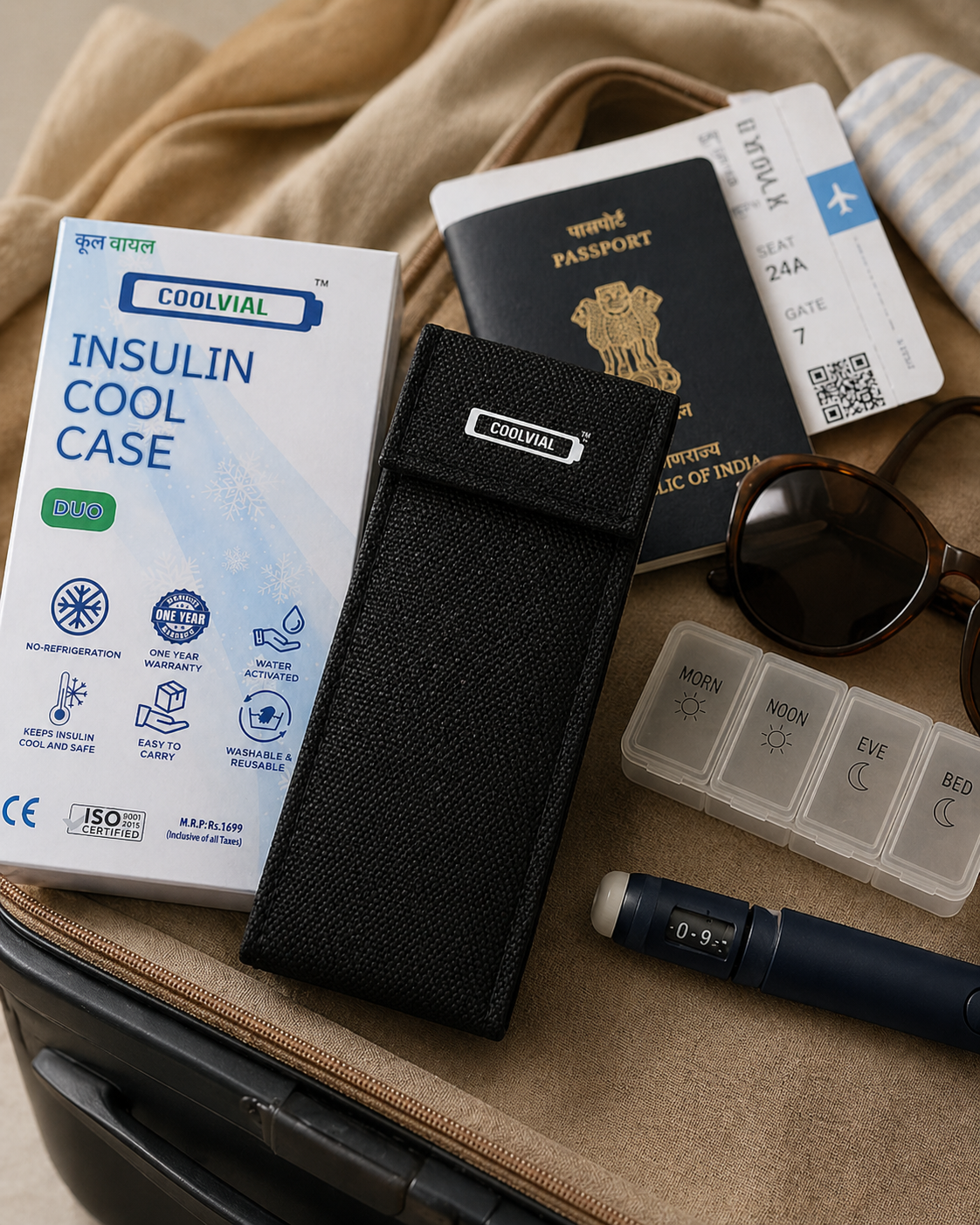
COOLVIAL keeps insulin at 2-8°C for 48+ hours. No electricity needed. Trusted by 10,000+ diabetics.