Reviewed by the COOLVIAL Editorial Team — specialists in insulin storage for Indian climate conditions.
Using a reliable insulin cool case like COOLVIAL is paramount for a safe daily office commute with insulin in India’s metro cities. Insulin must be kept between 2-8°C for optimal efficacy, as temperatures above 30°C can quickly degrade its potency. With India’s diverse climate, where summer temperatures in cities like Delhi can soar past 45°C, protecting this vital medication from heat exposure during your journey is an essential daily ritual. This guide provides 10 practical strategies to ensure your insulin remains effective, safeguarding your health even amidst the challenges of urban travel.
Introduction
For millions living with diabetes in India, managing medication is a daily reality. The bustling life of metro cities, with their long commutes, unpredictable traffic, and often scorching temperatures, adds a unique layer of complexity to this routine. Ensuring the integrity of insulin, a temperature-sensitive medication, during your daily office commute with insulin in India’s metro cities is not just a recommendation—it’s a necessity. Improper storage can lead to reduced efficacy, directly impacting blood sugar control and overall health.
This comprehensive article delves into the specific challenges faced by Indian diabetics during their daily travels. We will explore why maintaining insulin’s cold chain is critical, share core concepts of insulin storage, and provide 10 practical, India-specific tips to make your commute worry-free. From understanding ideal temperatures to choosing the right storage solutions, you’ll gain the knowledge and confidence to protect your insulin, ensuring your well-being throughout your busy workday.
Table of Contents
- Why a Safe Insulin Commute Matters in India’s Metro Cities
- Understanding Insulin Storage: Core Concepts for Your Daily Office Commute
- 10 Practical Tips for a Secure Daily Office Commute with Insulin in India’s Metro Cities
- Navigating India’s Unique Challenges: Climate, Commute, and Power Reliability
- COOLVIAL: Your Trusted Partner for a Worry-Free Daily Office Commute
- Quick Reference: Essential Insulin Commute Checklist & FAQs
- Conclusion
Why a Safe Insulin Commute Matters in India’s Metro Cities
India currently faces a significant diabetes burden, with an estimated 101 million people living with diabetes in 2023, according to the International Diabetes Federation (Source: IDF Diabetes Atlas 2023). This staggering number highlights the critical importance of effective diabetes management, which often includes daily insulin injections. For those residing in bustling metro cities like Mumbai, Delhi, Bengaluru, or Chennai, the daily office commute presents unique challenges to insulin storage.
"Finally a cooler that works in Indian summers. Insulin stayed perfect during a 3-day power cut." — Ramesh, Chennai
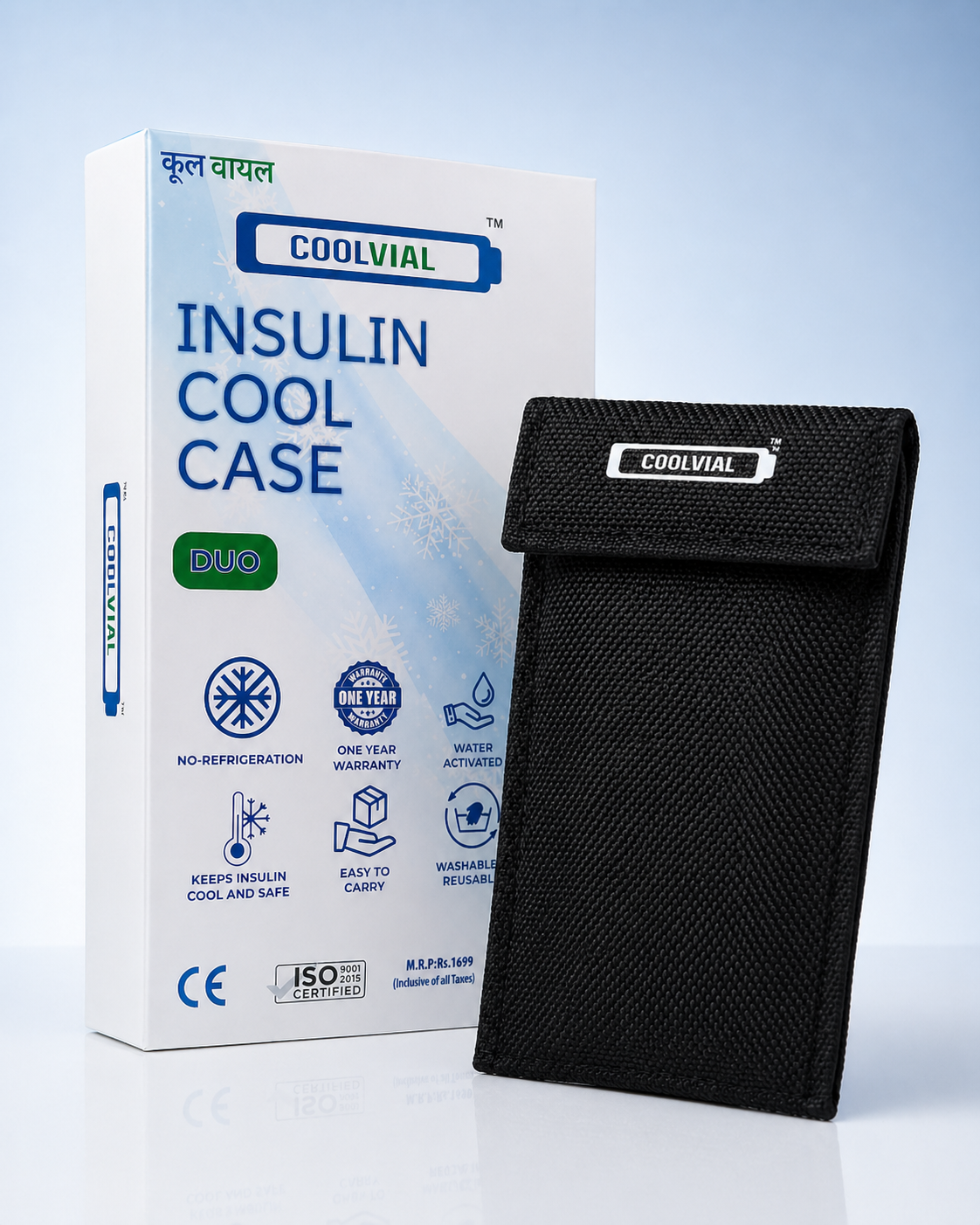
10 Essential Tips for a Safe Daily Office Commute with Insulin in Indias Metro Cities
CE Certified · Free Delivery · 1-Year Warranty · Made for India
📲 Buy on WhatsApp — ₹1,099🛒 Buy Now — ₹1,099Insulin is a protein-based medication, highly sensitive to temperature fluctuations. Its efficacy can be significantly compromised if exposed to temperatures outside its recommended range. While unopened insulin should be refrigerated between 2-8°C, even in-use insulin, which can generally be kept at room temperature (up to 25-30°C) for a limited period (usually 28 days), is at risk in India’s often extreme climate. Summer temperatures in many Indian metro cities routinely exceed 35°C, with peaks reaching over 45°C in regions like Delhi and Rajasthan.
Beyond the ambient heat, the commute itself exacerbates the problem. Crowded public transport, whether it’s the Mumbai local trains, Delhi Metro, or city buses, means prolonged exposure to body heat and poor ventilation. Private vehicles parked under the sun can become ovens, with interior temperatures soaring past 60°C within minutes. Furthermore, India’s unpredictable power supply, particularly in smaller towns and during peak summer, can affect home refrigeration, adding another layer of concern for insulin users.
Degraded insulin may not lower blood glucose levels effectively, leading to hyperglycemia and its associated short-term and long-term complications. This not only impacts the individual’s health but also contributes to increased healthcare costs and reduced productivity. Therefore, understanding and implementing safe insulin storage practices during the daily office commute with insulin in India’s metro cities is not just about convenience; it’s about safeguarding health and ensuring the medication works as intended.
Understanding Insulin Storage: Core Concepts for Your Daily Office Commute
Effective insulin management during your daily office commute hinges on a clear understanding of its storage requirements. Insulin is a biological product, and like many such medicines, it has specific temperature needs to maintain its potency. Neglecting these can lead to insulin degradation, rendering it ineffective and potentially jeopardizing your health.
The Critical Temperature Range for Insulin
Insulin has two primary storage states: unopened and opened (in-use).
- Unopened Insulin: Vials and pens should always be stored in a refrigerator, ideally between 2°C and 8°C. This is the standard cold chain requirement that ensures maximum shelf life, usually until the expiry date printed on the packaging. Freezing insulin will destroy its protein structure, making it unusable.
- Opened (In-Use) Insulin: Once an insulin vial or pen is opened, it can typically be stored at room temperature for a specific period, usually 28 days (or up to 42 days/6 weeks for some specific brands/types of pens). However, “room temperature” is a critical distinction in India. The acceptable range for in-use insulin is generally up to 25°C to 30°C, depending on the manufacturer. In many Indian metro cities, especially during summer months (April to July) or even during humid monsoon periods, ambient temperatures regularly exceed 30°C, making “room temperature storage” a significant risk.
Identifying Signs of Insulin Degradation
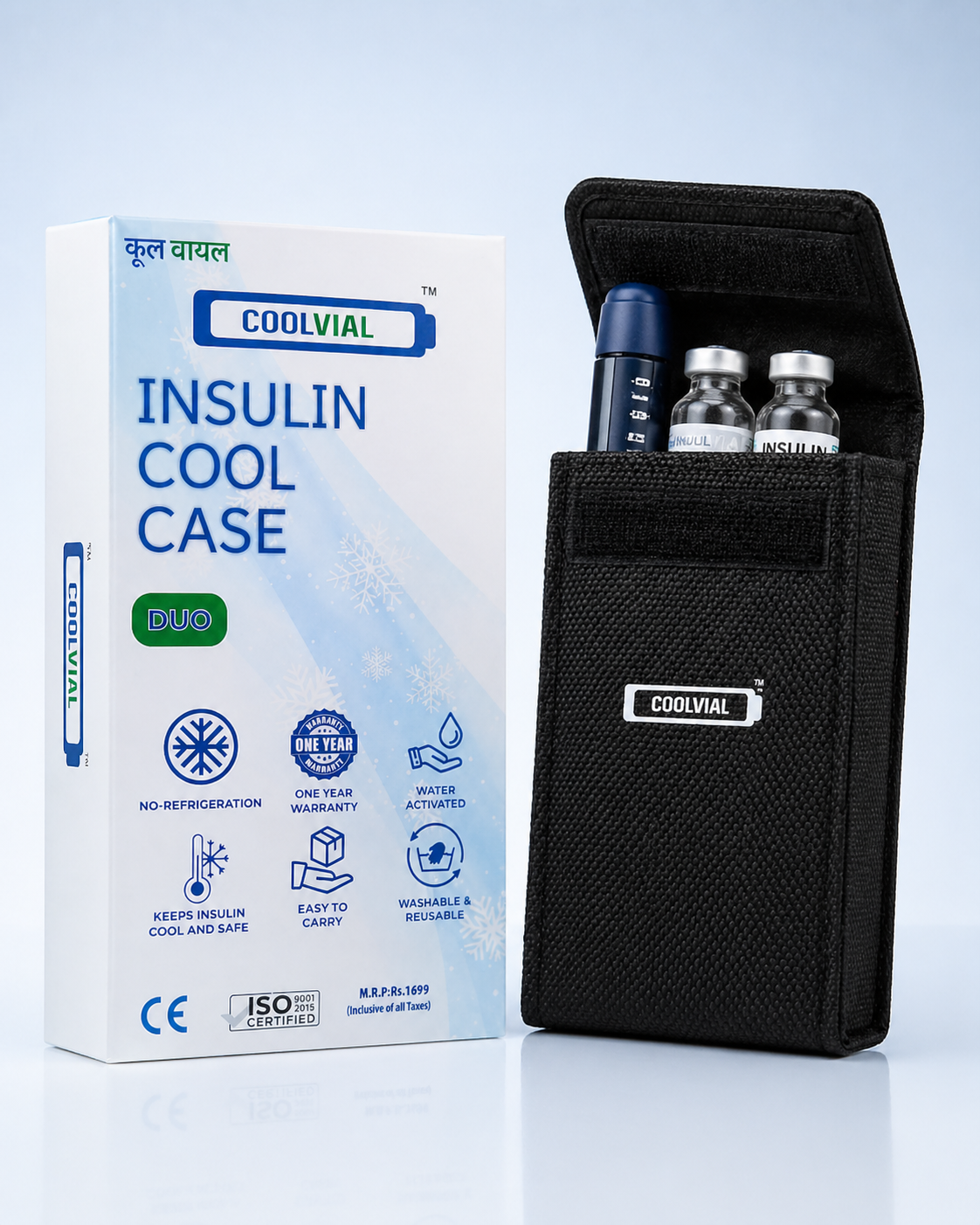
10 Essential Tips for a Safe Daily Office Commute with Insulin in Indias Metro Cities
COOLVIAL keeps insulin at 2-8°C for 48+ hours. No electricity needed. Trusted by 10,000+ diabetics.
It’s crucial to be able to identify if your insulin has been compromised by heat or cold exposure. Degraded insulin may not look significantly different, but sometimes visual cues can help:
- Changes in Appearance: Clear insulin (like rapid-acting or long-acting analogues) should remain clear. If it appears cloudy, discoloured, or has particles/crystals floating in it, it may be degraded. Cloudy insulin (like NPH) should be uniformly cloudy after gentle rolling; if it has clumps or a “frosted” appearance, it might be compromised.
- Loss of Efficacy: The most reliable sign of degraded insulin is a noticeable and unexplained increase in blood glucose levels, even when adhering to your usual dosage and lifestyle. If your blood sugars are consistently high despite injections, suspect your insulin’s potency.
Different Insulin Types and Their Storage Needs
While the 2-8°C rule applies universally to unopened insulin, there can be subtle variations for in-use insulin based on its type and formulation:
- Vials: Once punctured, typically stable for 28 days at room temperature (up to 25-30°C).
- Pens (Pre-filled or Reusable with Cartridges): Similar to vials, most pens are good for 28 days at room temperature (up to 25-30°C) after first use. Some brands, however, specify up to 42 days or 6 weeks. Always check the manufacturer’s leaflet for your specific insulin product.
- Insulin Pumps: Insulin in the pump reservoir is typically safe for 2-3 days at body temperature. However, the vials or cartridges used to fill the pump still follow the general storage guidelines.
Understanding these nuances is key to preventing insulin waste and ensuring consistent blood sugar control, especially when navigating the demands of a daily office commute.
Table: Insulin Storage Guidelines
| Insulin Condition | Temperature Range | Duration | Important Notes |
|---|---|---|---|
| Unopened (Refrigerated) | 2°C to 8°C (36°F to 46°F) | Until Expiry Date | Store in the main body of the refrigerator, not the door (temperature fluctuations). Do NOT freeze. Protect from light. |
| Opened (In-Use) | Up to 25°C - 30°C (77°F - 86°F) (Manufacturer specific) | 28 days (or 42 days/6 weeks for some pens) | Check specific product leaflet. In India’s climate, “room temperature” often exceeds this range. Do NOT refrigerate in-use pens/vials if they are meant to be kept at room temperature, as frequent temperature changes can also cause degradation. Protect from direct sunlight and heat. Discard after the specified period. |
| Frozen | Below 0°C (32°F) | Never | Insulin loses its efficacy when frozen. Discard immediately if frozen. |
| Above 30°C | Greater than 30°C (86°F) | Rapid degradation | Insulin degrades quickly above this temperature, losing potency. Avoid at all costs, especially during Indian summers. |
10 Practical Tips for a Secure Daily Office Commute with Insulin in India’s Metro Cities
Ensuring your insulin remains potent and safe during your daily office commute with insulin in India’s metro cities requires proactive planning and the right tools. Here are 10 essential tips to help you navigate the urban jungle confidently:
- Invest in a Quality Insulin Cool Case: This is perhaps the most critical investment. A good insulin cool case, like the COOLVIAL insulin cool case, is designed to maintain the optimal temperature range (2-8°C or appropriate room temperature) for hours, even in extreme Indian heat. Look for cases that use advanced insulation and provide reliable cooling without electricity.
- Monitor Temperatures Constantly: If possible, use a small, portable thermometer inside your cool case, especially when you start a new routine or during peak summer. This helps verify that your insulin is staying within the safe zone. Being aware of the temperature allows you to take corrective action if needed.
- Plan Your Commute Route and Timing: Whenever possible, choose routes that minimize prolonged exposure to heat. If you use public transport, consider off-peak hours to avoid overly crowded conditions where body heat can significantly raise ambient temperatures. A slightly longer but cooler route might be better for your insulin.
- Protect from Direct Sunlight and Heat Sources: Whether you’re walking, waiting for a bus, or in a vehicle, always keep your insulin cool case out of direct sunlight. Avoid placing it near windows, engine heat (in cars), or even hot surfaces. In a crowded bus or train, keep it close to your body, but ensure it doesn’t absorb your body heat directly.
- Carry Enough Supplies, but Not Excess: Carry only the insulin you need for the day, plus a small emergency backup (e.g., one extra vial/pen). Avoid carrying your entire stock, which increases the risk of loss or degradation. Store the bulk of your insulin safely refrigerated at home.
- Emergency Contact and Medical ID: Always carry a medical ID card or wear a medical alert bracelet indicating you have diabetes and use insulin. Include emergency contact information. In an unforeseen situation, this can be life-saving and help others understand your needs, including the importance of your medication.
- Hydration for Yourself: While not directly related to insulin storage,