
Reviewed by the COOLVIAL Editorial Team — specialists in insulin storage for Indian climate conditions.
Managing diabetes effectively requires consistent effort, and at its core, having a well-organized essential diabetic kit for Indian households storage tools tips is paramount. This kit typically includes insulin (which must be stored between 2-8°C when unopened, and generally below 25°C once opened, spoiling above 30°C), a reliable glucometer, test strips, lancets, and emergency glucose supplies. With India home to over 101 million people living with diabetes in 2023 (Source: IDF Diabetes Atlas), understanding proper storage, especially for temperature-sensitive medications like insulin, is not just helpful—it’s life-saving. This comprehensive guide will walk you through setting up and maintaining an effective diabetic kit tailored for the unique challenges of the Indian environment, covering everything from medication storage to essential tools and practical tips to ensure your well-being.
Table of Contents
- Why an Essential Diabetic Kit Matters in India
- Understanding the Core Components of Your Essential Diabetic Kit
- Practical Tips for Assembling Your Essential Diabetic Kit for Indian Households
- Navigating India’s Diverse Climate: Regional Storage Challenges
- COOLVIAL: The Smart Solution for Your Essential Diabetic Kit
- Your Quick Reference: Essential Diabetic Kit Checklist & FAQs
- Conclusion
Why an Essential Diabetic Kit Matters in India
India’s unique socio-economic and environmental landscape presents distinct challenges for diabetes management, making an essential diabetic kit for Indian households storage tools tips not just a convenience, but a necessity. The vast geographical diversity, from the scorching plains of Rajasthan to the humid coasts of Kerala and the cold mountains of Himachal Pradesh, means temperature control for medications like insulin is a constant concern. Insulin, a life-sustaining drug for many, rapidly degrades and loses its efficacy if exposed to temperatures above 30°C, a common occurrence during Indian summers.
Beyond climate, infrastructure issues such as frequent power cuts, particularly in rural areas and during peak summer months, pose a significant threat to the cold chain required for insulin storage. A study by the Council on Energy, Environment and Water (CEEW) in 2020 revealed that 78% of Indian households face daily power cuts in summer, with some enduring outages for 8-10 hours. This reality necessitates robust backup solutions for insulin storage. Furthermore, many individuals with diabetes in India travel frequently, whether for work, family visits, or pilgrimages, often by bus or train, where refrigeration facilities are non-existent.
The lack of widespread awareness about proper insulin handling and the importance of a comprehensive diabetic kit also contributes to the problem. Many newly diagnosed individuals, especially in smaller towns and villages, may not receive adequate guidance on how to store their medications safely or what emergency supplies to keep on hand. This gap in knowledge can lead to medication spoilage, ineffective treatment, and potentially dangerous health complications. Therefore, having a well-thought-out essential diabetic kit, equipped with appropriate storage solutions and monitoring tools, is crucial for maintaining stable blood sugar levels and preventing acute diabetic emergencies. It empowers individuals to take control of their health despite external challenges.
- Key Challenges for Diabetic Management in India:
- Extreme Climate Variations: High temperatures and humidity compromise insulin efficacy.
- Frequent Power Cuts: Disruptions to refrigeration for critical medications.
- Travel and Mobility: Lack of cold storage options during journeys by road or rail.
- Awareness Gaps: Limited knowledge on proper medication storage and emergency preparedness.
- Access to Healthcare: In remote areas, immediate medical help might be far.
Understanding the Core Components of Your Essential Diabetic Kit
Building an effective essential diabetic kit for Indian households storage tools tips begins with understanding its fundamental components and how each plays a vital role in daily diabetes management. This isn’t just a collection of items; it’s a carefully curated system designed to ensure safety, accuracy, and preparedness. Each element, from medication to monitoring devices and emergency supplies, has specific requirements for storage and use, especially crucial given India’s environmental context.
Insulin and Oral Medications
- Insulin: For many, insulin is the cornerstone of diabetes treatment. Unopened insulin vials or pens must be stored in a refrigerator, ideally between 2°C and 8°C. Once opened, insulin can generally be kept at room temperature (below 25°C to 30°C, depending on the specific brand) for 28 days (for vials) or up to 42 days (for some pens). However, in Indian summers, room temperature often far exceeds 30°C, making ambient storage risky. Exposure to direct sunlight or freezing temperatures can destroy insulin’s potency. Always check the manufacturer’s guidelines for precise storage instructions.
- Oral Medications: For Type 2 diabetics, oral medications are common. These usually require storage in a cool, dry place, away from direct sunlight and moisture. The humidity prevalent in many parts of India, especially during monsoon, can affect pill integrity. Keep them in their original packaging with desiccant packets if provided.
Monitoring Tools
- Glucometer: This device measures blood glucose levels. It’s essential for daily monitoring and adjusting insulin doses or diet.
- Test Strips: These are specific to your glucometer brand and are highly sensitive to heat and humidity. Store them in their original container, tightly sealed, and away from moisture. Expired strips give inaccurate readings.
- Lancets and Lancing Device: Used to prick a finger for blood samples. Lancets should be single-use to prevent infection.
- Alcohol Swabs: For sterilizing the finger before pricking, reducing infection risk.
Emergency Supplies
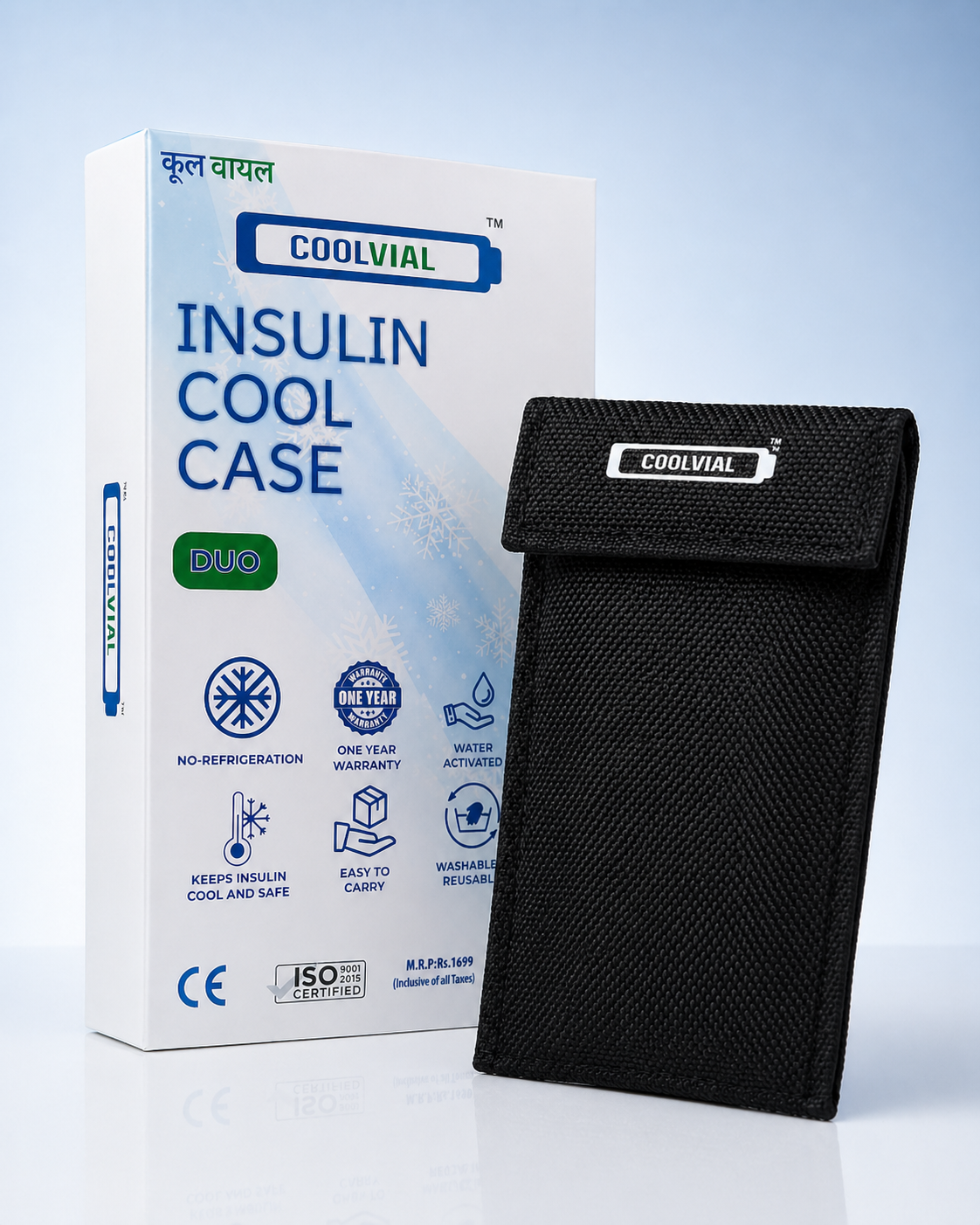
10 Essential Diabetic Kit for Indian Households: Storage, Tools & Tips
48+ hours at 2-8°C. No electricity. CE certified. Free delivery across India.
Order on WhatsApp — ₹1,099🛒 Buy Now — ₹1,099"Finally a cooler that works in Indian summers. Insulin stayed perfect during a 3-day power cut." — Ramesh, Chennai
10 Essential Diabetic Kit for Indian Households: Storage, Tools & Tips
CE Certified · Free Delivery · 1-Year Warranty
📲 Buy on WhatsApp — ₹1,099- Glucose Tablets or Hard Candies: In case of hypoglycemia (low blood sugar), these provide a rapid source of glucose. Always carry a few.
- Glucagon Emergency Kit: For severe hypoglycemia where the person is unconscious or unable to swallow. Your doctor will prescribe this if necessary, and instruct family members on its use.
- Medical ID Card/Bracelet: Crucial for communicating your diabetic status in an emergency. It should include your name, type of diabetes, medications, and emergency contact.
Storage Solutions
- Refrigerator: The primary storage for unopened insulin. Ensure it maintains a consistent temperature between 2-8°C. Avoid placing insulin near the freezer compartment or on the door, where temperature fluctuations are common.
- Insulin Cool Case: An indispensable tool for Indian conditions, especially for opened insulin or during travel. These cases maintain insulin at safe temperatures (typically 2-8°C or 15-25°C, depending on the type) for extended periods without electricity. They are critical during power cuts or when venturing outside for more than a few hours.
Insulin Storage Temperature Guidelines:
| Condition | Temperature Range | Duration | Notes |
|---|---|---|---|
| Unopened Vial/Pen | 2°C to 8°C (Refrigerated) | Until Expiration Date | Store in original carton in the refrigerator. Do not freeze. |
| Opened Vial | Below 25°C to 30°C | 28 days (Check specific brand) | Can be kept at room temperature. Avoid direct sunlight. In India, often requires a cool case due to ambient heat. |
| Opened Pen | Below 25°C to 30°C | 28 to 42 days (Check specific brand) | Can be kept at room temperature. Avoid direct sunlight. In India, often requires a cool case due to ambient heat. Do not refrigerate opened pens if manufacturer advises against it. |
| Travel/Outdoors | Varies by Cool Case | Up to 36-72 hours (e.g., COOLVIAL) | Essential for maintaining temperature for opened/unopened insulin when refrigeration is unavailable. |
Practical Tips for Assembling Your Essential Diabetic Kit for Indian Households
Assembling a robust essential diabetic kit for Indian households storage tools tips requires more than just gathering items; it demands thoughtful planning and adherence to best practices. Given India’s varied climate and lifestyle, these practical tips focus on ensuring your kit is always ready, effective, and safe.
- Regularly Check Expiry Dates: Medications, especially insulin and test strips, have strict expiry dates. Mark them on your calendar or use a reminder app. Discard expired items responsibly. Using expired insulin can lead to dangerously high blood sugar, while expired test strips yield inaccurate readings.
- Organize for Accessibility: Keep your kit organized in a dedicated bag or container. Use small pouches for different categories (medications, monitoring tools, emergency items). This ensures you can quickly find what you need, especially in an emergency or when traveling.
- Maintain Proper Insulin Storage:
- Refrigerated Insulin: Store unopened insulin vials/pens in the main body of your refrigerator, not the door (due to temperature fluctuations) or near the freezer compartment (to prevent freezing). A fridge thermometer can help monitor the 2-8°C range.
- Opened Insulin: Once opened, insulin can often be kept at room temperature (below 25°C to 30°C) for several weeks. However, in most Indian cities like Delhi, Chennai, or Kolkata, summer temperatures often exceed this. For these conditions, an insulin cool case is indispensable for maintaining efficacy. Avoid direct sunlight, car dashboards, or hot rooms.
- Travel Storage: For any travel beyond a few hours, invest in a reliable insulin cool case. This is crucial for bus journeys across states, long train rides, or even extended day trips where ambient temperatures are high.
- Keep Supplies Stocked: Don’t wait until you run out of test strips or lancets to replenish. Always have a backup supply of crucial items, especially insulin. Consider having at least a week’s worth of supplies readily available.
- Backup Power for Glucometer: Many glucometers run on batteries. Always carry spare batteries. Some advanced glucometers have rechargeable options, so ensure they are charged.
- Water Bottle for Hydration: Dehydration can affect blood sugar levels. Keep a water bottle handy, especially during hot weather or travel.
- Hand Sanitizer/Soap: Before checking blood sugar or injecting insulin, clean your hands thoroughly to prevent infection. If soap and water aren’t available, hand sanitizer is a good alternative.
- Educate Family Members: Ensure at least one family member or close friend knows about your diabetes, where your kit is, how to use glucagon (if prescribed), and what to do in an emergency. This is particularly important for children and older adults.
- Doctor’s Prescription & Contact Info: Always carry a copy of your doctor’s prescription, especially when traveling. It can be useful for pharmacists or in medical emergencies. Include your doctor’s contact details in your kit.
- Consider a Multi-Compartment Bag: A small, insulated bag with multiple compartments can serve as your primary diabetic kit, keeping everything together and protected. Look for bags that are durable and easy to clean.
By following these practical tips, you can ensure your essential diabetic kit for Indian households storage tools tips is always prepared to support your health management, no matter the circumstances. For more specific guidance on medication care, explore our insulin storage tips.
Navigating India’s Diverse Climate: Regional Storage Challenges
India’s vast geography means that an essential diabetic kit for Indian households storage tools tips must be highly adaptable to extreme regional climate variations. From the scorching heat of the north to the monsoonal humidity of the coastal areas, each region presents unique challenges to maintaining the integrity of temperature-sensitive medications like insulin. Understanding these specific environmental factors is key to effective diabetes management across the country.
- North Indian Plains (Delhi, Uttar Pradesh, Punjab): Summers here are intensely hot, with temperatures frequently soaring above 40°C, and often reaching 45°C or higher in cities like Delhi and Agra. During these months, insulin stored at “room temperature” (which can be 35-40°C indoors without air conditioning) will quickly degrade. Power cuts are also common, making refrigeration unreliable. Diabetics in these regions absolutely require an active cooling solution or a high-quality cool case to protect insulin. Even during winters, temperatures can dip to near freezing, requiring protection from extreme cold as well.
- Coastal Regions (Mumbai, Chennai, Kolkata, Kochi): These areas experience high temperatures combined with extreme humidity throughout much of the year, particularly during the monsoon season. High humidity can affect test strips, leading to inaccurate readings, and can also promote bacterial growth if medications are not sealed properly. While temperatures might not reach the same peaks as the plains, sustained heat and moisture are equally damaging. An insulated, moisture-resistant bag for the diabetic kit is crucial here.
- Deccan Plateau (Bengaluru, Hyderabad, Pune): While generally milder than the plains, cities on the plateau still experience significant heat in summer (often 35-40°C). The climate can be quite dry in some parts, but monsoons bring humidity. The challenge here often lies in the sudden shifts in weather, demanding a versatile storage solution that can handle both heat and moderate humidity.
- Northeast India (Guwahati, Shillong): Characterized by high rainfall and humidity for extended periods, similar to coastal regions. Power infrastructure can be less robust in some areas, exacerbating storage difficulties. Protection from moisture and ensuring consistent cool temperatures are paramount.
- Himalayan Regions (Shimla, Leh): While heat is less of a concern, extreme cold can also damage insulin, causing it to freeze and become ineffective. Diabetics traveling or residing in these areas must ensure their insulin is insulated from freezing temperatures, perhaps by keeping it close to the body or in a specialized cold-resistant pouch.
Travel and Festivals: Indian train and bus travel often involves long hours without air conditioning, especially in sleeper classes. During festivals like Diwali, Holi, or Durga Puja, people travel extensively, and often stay in places with unpredictable power supply. Carrying a reliable, portable cooling solution becomes non-negotiable for these situations. Imagine a diabetic traveling from Bengaluru to their ancestral village in Bihar for Chhath Puja; an insulin cool case ensures their medication remains viable throughout the journey and stay.
Regional Climate Challenges & Storage Solutions:
| Region | Primary Climate Challenge | Impact on Diabetic Kit | Recommended Storage Solution |
|---|---|---|---|
| North Indian Plains | Intense Summer Heat | Insulin degradation, test strip damage, power cuts | High-performance insulin cool case, insulated kit bag, backup power for glucometer. |
| Coastal Regions | High Heat & Humidity | Insulin degradation, test strip spoilage, mold growth | Moisture-resistant insulated bag, insulin cool case, sealed containers for strips. |
| Deccan Plateau | Moderate Heat, Variable | Insulin stability, general medication protection | Versatile insulin cool case, well-sealed kit bag. |
| Northeast India | High Humidity & Rainfall | Insulin degradation, test strip spoilage, power cuts | Waterproof insulated bag, insulin cool case, desiccant packets for strips. |
| Himalayan Regions | Extreme Cold | Insulin freezing, reduced efficacy | Insulated pouch (to prevent freezing), cool case (if temperatures fluctuate above safe range during day). |
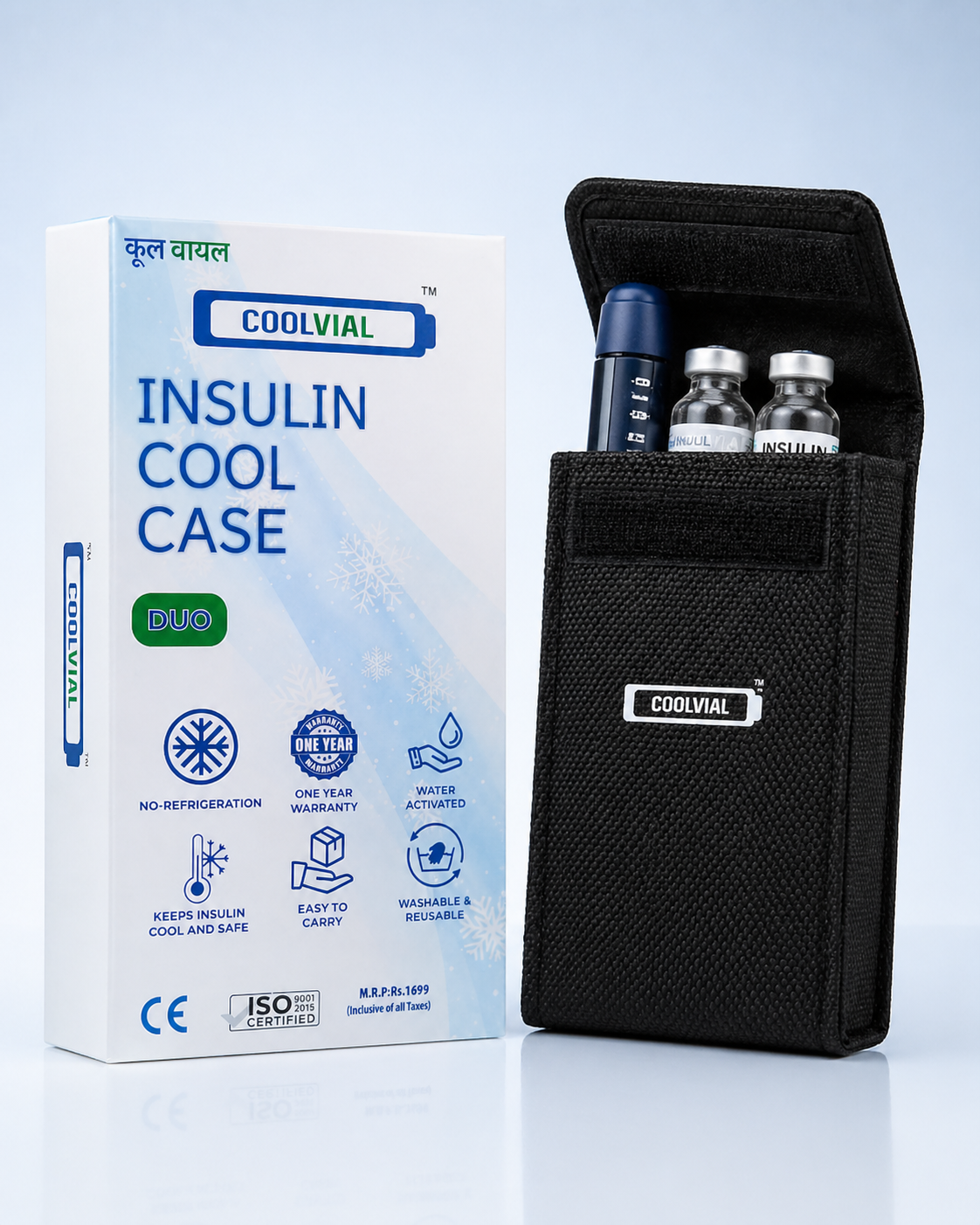
10 Essential Diabetic Kit for Indian Households: Storage, Tools & Tips
Keep your insulin safe in India's extreme heat. COOLVIAL works for 48+ hours without electricity.
These diverse conditions underscore the need for a comprehensive and adaptable essential diabetic kit for Indian households storage tools tips, prioritizing safe insulin storage above all.
COOLVIAL: The Smart Solution for Your Essential Diabetic Kit
In the challenging Indian climate, where reliable refrigeration is often a luxury, the COOLVIAL insulin cool case emerges as an indispensable component of an essential diabetic kit for Indian households storage tools tips. Understanding the critical need to maintain insulin’s efficacy, COOLVIAL offers a practical, portable, and affordable solution designed specifically for the Indian environment. It addresses the primary pain point of insulin users: keeping their life-saving medication at the correct temperature without electricity.
The COOLVIAL insulin cool case is engineered to maintain insulin within the recommended safe temperature range (typically 2-8°C or below 25°C for open vials, depending on the model and external conditions) for extended periods. This means whether you’re commuting in the Mumbai local, traveling by bus through the heat of Rajasthan, enduring a power cut in rural Punjab, or attending a family function in Chennai, your insulin remains protected.
- Key Features of COOLVIAL for your Diabetic Kit:
- Reliable Temperature Control: Utilizes advanced cooling technology (often gel packs or evaporative cooling) to keep insulin within the safe range for many hours, typically up to 36-72 hours, without external power.
- Portability and Convenience: Compact and lightweight design makes it easy to carry in a handbag, backpack, or even a pocket. Perfect for daily use, travel, and outdoor activities.
- Durability for Indian Conditions: Built to withstand the rigors of daily use and diverse climates, ensuring longevity.
- Affordable Solution: Priced at just ₹1,099, COOLVIAL makes safe insulin storage accessible to a wider demographic across India, offering great value for peace of mind.
- User-Friendly: Simple to activate and use, often requiring just a few minutes of preparation (e.g., soaking in cold water or freezing gel packs).
- Versatile Storage: Accommodates various insulin pens, vials, and cartridges, making it suitable for different treatment regimens.
Integrating a COOLVIAL insulin cool case into your essential diabetic kit for Indian households storage tools tips provides a crucial layer of safety. It eliminates the constant worry about insulin spoilage due to heat or power outages, allowing individuals with diabetes to live more freely and confidently. It empowers them to travel, work, and engage in social activities without compromising their health, knowing their medication is secure. The COOLVIAL cool case is more than just a product; it’s a commitment to better diabetes management for every Indian household. You can learn more about the COOLVIAL insulin cool case and its benefits for your daily life.
Your Quick Reference: Essential Diabetic Kit Checklist & FAQs
Having a well-organized and complete essential diabetic kit for Indian households storage tools tips is crucial for proactive diabetes management. Use this checklist to ensure you have everything you need, and consult the FAQs for quick answers to common concerns.
Essential Diabetic Kit Checklist
- Medications:
- Insulin (vials/pens) - Opened and unopened
- Oral diabetes medications
- Any other prescribed medications
- Monitoring Tools:
- Glucometer with fresh batteries
- Test strips (unexpired, sealed)
- Lancing device
- New lancets
- Alcohol swabs
- Emergency Supplies:
- Glucose tablets or hard candies
- Glucagon emergency kit (if prescribed)
- Medical ID card/bracelet (with diabetes type, meds, emergency contact)
- Storage & Accessories:
- COOLVIAL insulin cool case (for insulin storage during travel/power cuts)
- Small, organized kit bag
- Hand sanitizer or small soap
- Small sharps container (for used needles/lancets)
- Doctor’s prescription and contact information
- Water bottle for hydration
- Spare glucometer batteries
Frequently Asked Questions (FAQs)
Q: How do I store insulin during long train journeys in India where there’s no refrigeration? A: For long train journeys in India, a reliable insulin cool case like COOLVIAL is essential. These cases are designed to maintain insulin at safe temperatures (2-8°C or below 25°C) for several hours, often up to 72 hours, without electricity, protecting it from the heat inside the coach.
Q: What happens if my insulin gets too hot, especially during summer in cities like Delhi or Hyderabad? A: If insulin gets too hot (above 30°C), it can degrade and lose its potency, becoming less effective in lowering blood sugar. This can lead to dangerously high blood sugar levels. Always use a cool case or ensure refrigeration to keep insulin within its recommended temperature range, even indoors during Indian summers.
Q: Is it safe to use test strips that have been exposed to high humidity during the monsoon season? A: No, it is generally not safe to use test strips that have been exposed to high humidity. Humidity can damage the chemical reagents on the strips, leading to inaccurate blood glucose readings. Always store test strips in their original tightly sealed container with desiccant, away from moisture.
Q: How often should I check the temperature of my refrigerator where I store unopened insulin? A: You should check the temperature of your refrigerator regularly, ideally daily or at least several times a week, using a refrigerator thermometer. Ensure it consistently maintains a temperature between 2°C and 8°C to keep your unopened insulin safe and effective until its expiry date.
Q: Can I reuse lancets to save money, especially in a household with limited resources? A: While it might seem economical, reusing lancets is not recommended. Each lancet is designed for single use; reusing them can dull the tip, making future pricks more painful, and significantly increases the risk of infection at the injection site. Prioritizing hygiene with fresh lancets is crucial for preventing complications.
Conclusion
Successfully navigating life with diabetes in India requires more than just medication; it demands foresight, preparation, and the right tools. Establishing a comprehensive essential diabetic kit for Indian households storage tools tips is a proactive step towards empowering yourself or your loved ones to manage this condition effectively, regardless of external challenges like extreme weather or power outages. By prioritizing correct insulin storage, regularly checking your monitoring tools, and being prepared for emergencies, you can ensure consistent and effective diabetes care.
Remember, your well-being is paramount. Don’t let the unique challenges of the Indian climate compromise your health. Invest in reliable solutions, stay informed, and keep your essential diabetic kit always ready. For unparalleled peace of mind regarding your insulin’s safety, consider the COOLVIAL insulin cool case – a smart, affordable, and robust solution tailored for India. Secure your vital medications today and embrace a life of confidence and control. You can buy COOLVIAL at ₹1,099 by reaching out via WhatsApp at wa.me/918766952300. Take this essential step towards better diabetes management.
"Finally a cooler that works in Indian summers. Insulin stayed perfect during a 3-day power cut." — Ramesh, Chennai
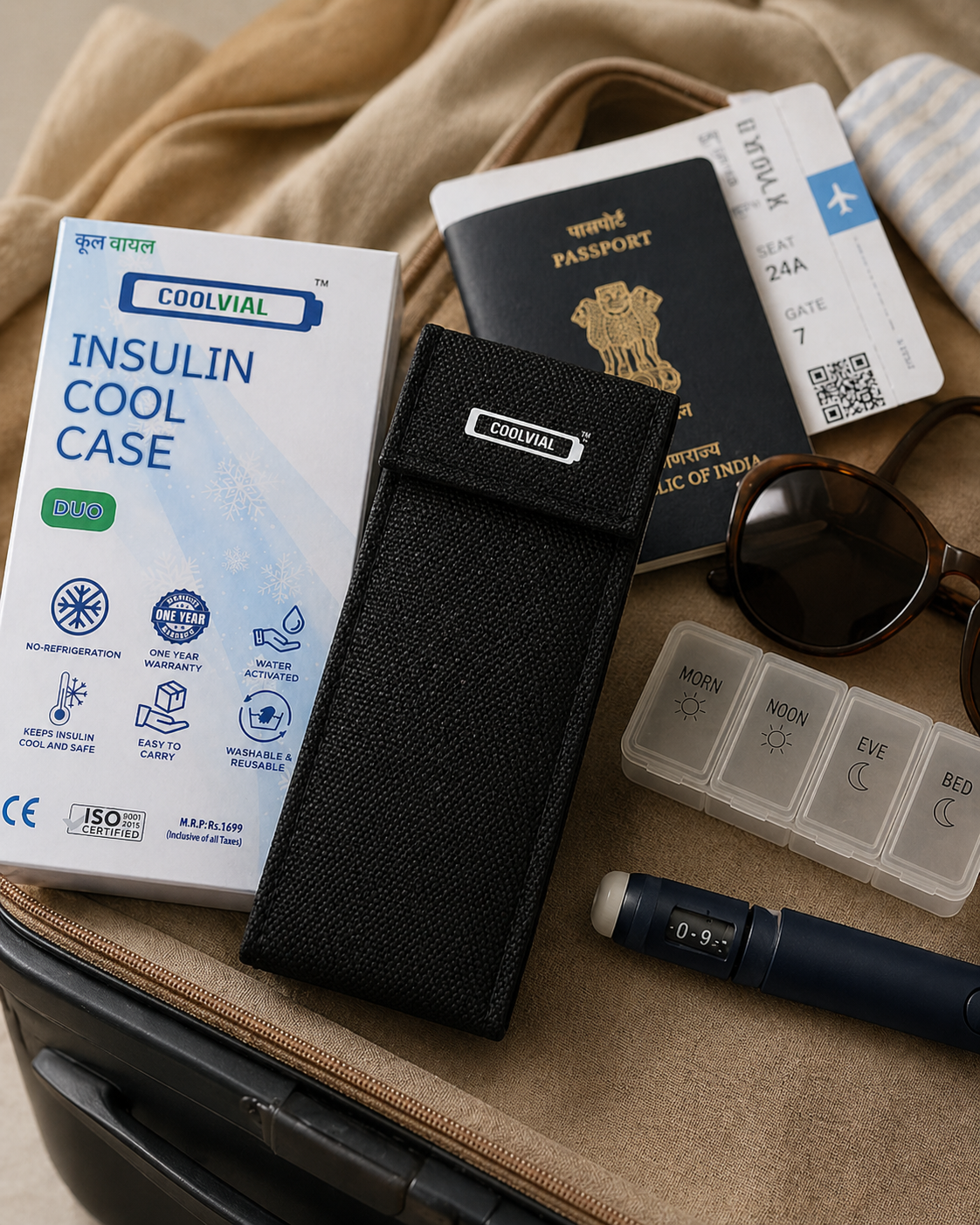
10 Essential Diabetic Kit for Indian Households: Storage, Tools & Tips
CE Certified · Free Delivery · 1-Year Warranty
📲 Buy on WhatsApp — ₹1,09910 Essential Diabetic Kit for Indian Households: Storage, Tools & Tips
COOLVIAL keeps insulin safe in India's heat. 48+ hours, no electricity needed.