
Reviewed by the COOLVIAL Editorial Team — specialists in insulin storage for Indian climate conditions.
Storing GLP-1 drugs like Ozempic, Mounjaro, and Rybelsus in India requires careful attention to temperature, typically between 2°C and 8°C (refrigerated) before first use, and varying room temperatures (often up to 30°C) for a limited period after opening. For example, Ozempic pens should be refrigerated until first use, then can be stored at room temperature (below 30°C) for up to 56 days. Mounjaro pens also need refrigeration until first use, then can be stored at room temperature (below 30°C) for up to 30 days. Rybelsus tablets, unlike injectables, are stored at room temperature below 30°C, protected from moisture. Proper GLP-1 drug storage in India is critical due to the country’s diverse and often extreme climate, where temperatures can easily exceed 40°C in many regions.
Introduction
Managing chronic conditions like type 2 diabetes often involves a regimen of advanced medications, including GLP-1 receptor agonists such as Ozempic (semaglutide injection), Mounjaro (tirzepatide), and Rybelsus (semaglutide oral). These drugs have revolutionized diabetes care, offering significant benefits in blood sugar control and weight management. However, their efficacy is deeply tied to their proper storage, particularly in a country with as diverse and challenging a climate as India. From the scorching summers of Rajasthan to the humid monsoons of Kerala, maintaining the integrity of temperature-sensitive medications is a constant concern for millions of Indian patients.
This comprehensive guide is designed to equip you with the knowledge and practical strategies for optimal GLP-1 drug storage in India. We will delve into the specific requirements for Ozempic, Mounjaro, and Rybelsus, highlight the unique challenges posed by India’s climate, and provide actionable tips to ensure your medication remains effective and safe, whether you are at home or travelling across the country. Understanding these guidelines is not just about convenience; it’s about safeguarding your health and ensuring the medication works as intended.
Table of Contents
- Why GLP-1 Drug Storage Matters in India: The Problem
- Core Concepts of GLP-1 Drug Storage: How It Works
- 10 Practical Tips for Safe GLP-1 Drug Storage in India
- Navigating India’s Diverse Climate: Regional Storage Challenges
- Ensuring Optimal GLP-1 Drug Storage in India with COOLVIAL
- Quick Reference: GLP-1 Storage Checklist & FAQs
- Conclusion
Why GLP-1 Drug Storage Matters in India: The Problem
India’s geographical diversity presents unique challenges for medication storage. The country experiences a wide range of climatic conditions, from the extreme heat waves in the northern plains to the high humidity levels in coastal regions and heavy rainfall during the monsoon season. These fluctuating and often harsh environmental factors can severely impact the stability and efficacy of temperature-sensitive medications like GLP-1 receptor agonists.
For instance, summer temperatures in cities like Delhi, Jaipur, and Ahmedabad can consistently exceed 45°C, far surpassing the recommended storage temperatures for most GLP-1 drugs. Even in cooler regions, indoor temperatures can rise significantly without air conditioning, especially during peak summer months. Moreover, reliable electricity supply can be a concern in many parts of India, with frequent power cuts affecting refrigeration at home or in pharmacies. According to reports, many Indian households, especially in rural and semi-urban areas, still face daily power cuts, particularly during summer.
Improper storage, particularly exposure to high temperatures, can lead to the degradation of GLP-1 drugs. This degradation can reduce the drug’s potency, meaning it may not work as effectively to control blood sugar levels or aid in weight management. In some cases, degraded medication could even lead to unforeseen side effects, though this is less common with GLP-1s than with some other drug classes. The stakes are high for the estimated 101 million Indians living with diabetes in 2023, as per the International Diabetes Federation (IDF) Diabetes Atlas, many of whom rely on these critical medications for their health.
Furthermore, travel within India, whether for work, family visits, or pilgrimages, often involves long journeys by bus, train, or car, where temperature control is difficult. Carrying medications in these conditions without proper insulation can quickly expose them to damaging heat. Therefore, understanding and implementing correct GLP-1 drug storage in India is not merely a recommendation; it’s a critical aspect of effective diabetes management and patient safety. Without proper care, patients risk not only wasting expensive medication but also compromising their health outcomes.
| Climate Challenge | Impact on GLP-1 Drugs (Ozempic, Mounjaro, Rybelsus) | Recommended Action |
|---|---|---|
| Extreme Heat (>30°C) | Reduces drug potency, accelerates degradation | Use insulated cool cases, avoid direct sunlight |
| High Humidity (>60% RH) | Can affect Rybelsus tablets, leading to degradation | Store Rybelsus in original blister pack, sealed |
| Power Cuts | Risk of refrigerator failure for injectable pens | Have backup cooling solutions (e.g., cool packs) |
| Direct Sunlight | Damages active ingredients | Store in original packaging, away from windows |
| Freezing (rare, but possible) | Can damage injectable pens and solutions | Do not store in freezer compartments |
Core Concepts of GLP-1 Drug Storage: How It Works
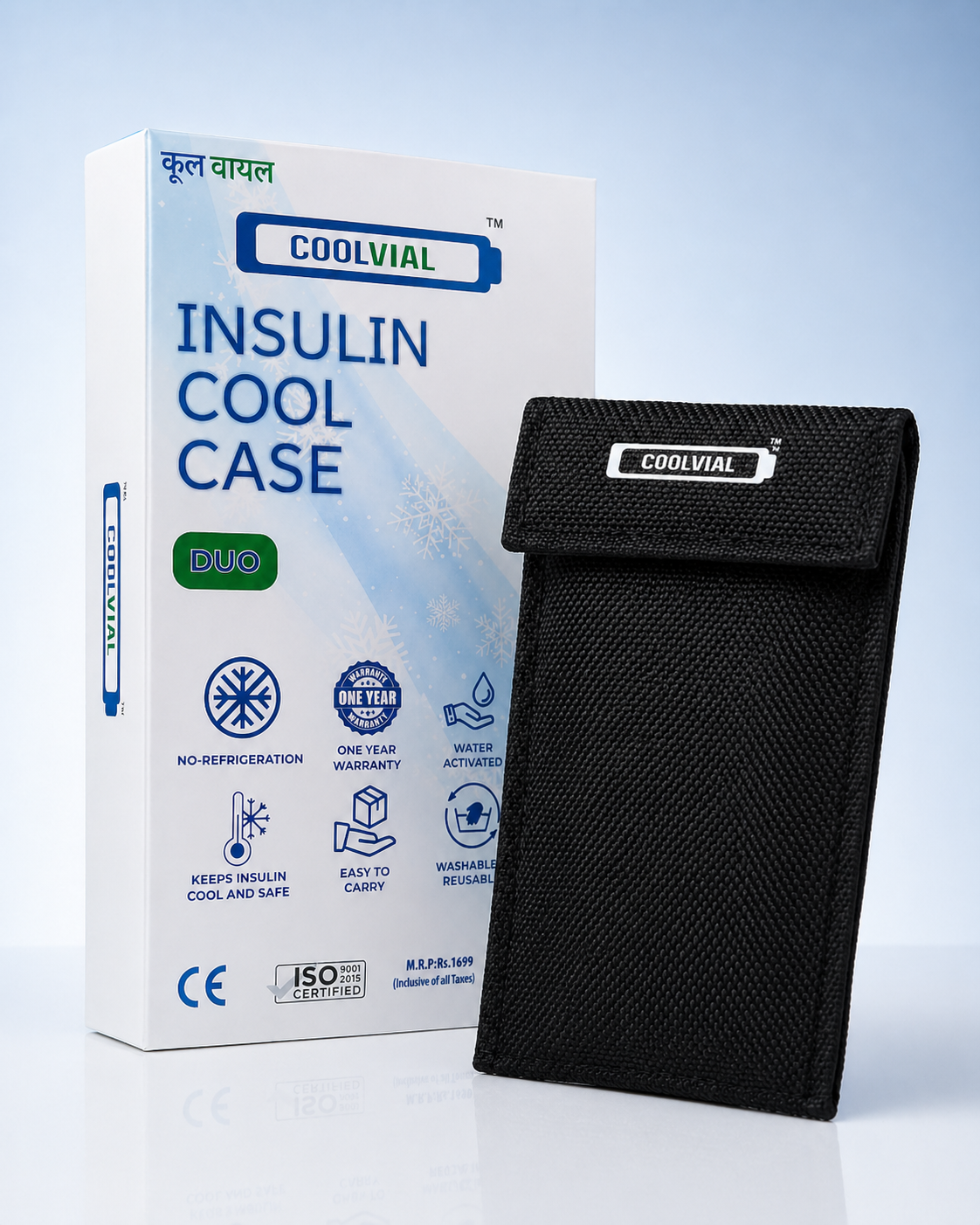
10 Essential Tips for GLP-1 Drug Storage in India: Ozempic, Mounjaro & Rybelsus
Insulin at 2-8°C for 48+ hours. Trusted by 10,000+ Indian diabetics.
The effectiveness of GLP-1 drugs hinges significantly on their chemical stability, which is directly influenced by environmental factors, primarily temperature, light, and moisture. These medications are complex proteins or peptides, and like many biological drugs, they are susceptible to degradation if not stored correctly.
Generally, GLP-1 injectable pens (like Ozempic and Mounjaro) require refrigeration (2°C to 8°C) before their first use. This temperature range helps maintain the drug’s molecular structure and potency over its intended shelf life. Once a pen is opened or first used, its storage requirements often change, allowing for a limited period at a higher, but still controlled, room temperature. This is because repeated refrigeration and warming cycles can introduce stress on the drug, and the sterile environment of a sealed pen is compromised upon first use.
Oral GLP-1 medications like Rybelsus tablets have different requirements. They are typically stored at room temperature, but must be protected from moisture and often require dispensing in specific blister packs to maintain stability. Understanding these nuances for each specific drug is paramount.
Ozempic (Semaglutide Injection) Storage Guidelines
Ozempic pens contain semaglutide, a GLP-1 analogue. Its storage instructions are precise:
- Unopened Pens: Store in a refrigerator between 2°C and 8°C. Do not freeze Ozempic. If it has been frozen, it must be discarded. Protect from light by keeping it in the original carton.
- Opened/In-Use Pens: Once you start using an Ozempic pen, it can be stored either in a refrigerator (2°C to 8°C) or at room temperature (below 30°C). Crucially, it must be used within 56 days (8 weeks) of first use. Always replace the pen cap after each use to protect from light.
- Travel: When travelling, especially in India’s variable climate, it’s vital to keep the pen below 30°C. An insulated travel case is highly recommended. (Source: Manufacturer’s prescribing information).
Mounjaro (Tirzepatide) Storage Guidelines
Mounjaro pens contain tirzepatide, a dual GIP and GLP-1 receptor agonist. Its storage profile is similar to Ozempic but with slightly different durations:
- Unopened Pens: Store in a refrigerator between 2°C and 8°C. Do not freeze Mounjaro. If it has been frozen, it must be discarded. Keep it in the original carton to protect from light.
- Opened/In-Use Pens: After first use, Mounjaro pens can be stored either in a refrigerator (2°C to 8°C) or at room temperature (below 30°C). It must be used within 30 days of first use. Replace the pen cap after each use.
- Travel: Similar to Ozempic, maintain temperatures below 30°C during travel. An insulated cool case is essential for maintaining efficacy, especially during transit in warm Indian conditions.
Rybelsus (Semaglutide Oral) Storage Guidelines
Rybelsus is unique as it is an oral GLP-1 medication. Its storage needs are different from the injectable pens:
- Tablets: Store at room temperature, below 30°C. Do not store in the refrigerator. Protect from moisture.
- Packaging: Rybelsus tablets must be kept in their original blister packaging until immediately before use. This is critical because the tablets are highly sensitive to moisture and light, which can degrade the active ingredient. Do not remove the tablet from the blister pack until you are ready to take it.
- Travel: For Rybelsus, the primary concern is moisture and high heat. Keep the tablets in their original sealed blister packs and avoid leaving them in damp environments or direct sunlight (e.g., car dashboards).
Properly managing these storage conditions is paramount to ensure that the medication you rely on remains potent and effective, contributing positively to your health journey. For more general guidelines on medication storage during travel, you can refer to resources like Diabetes UK’s travel advice.
10 Practical Tips for Safe GLP-1 Drug Storage in India
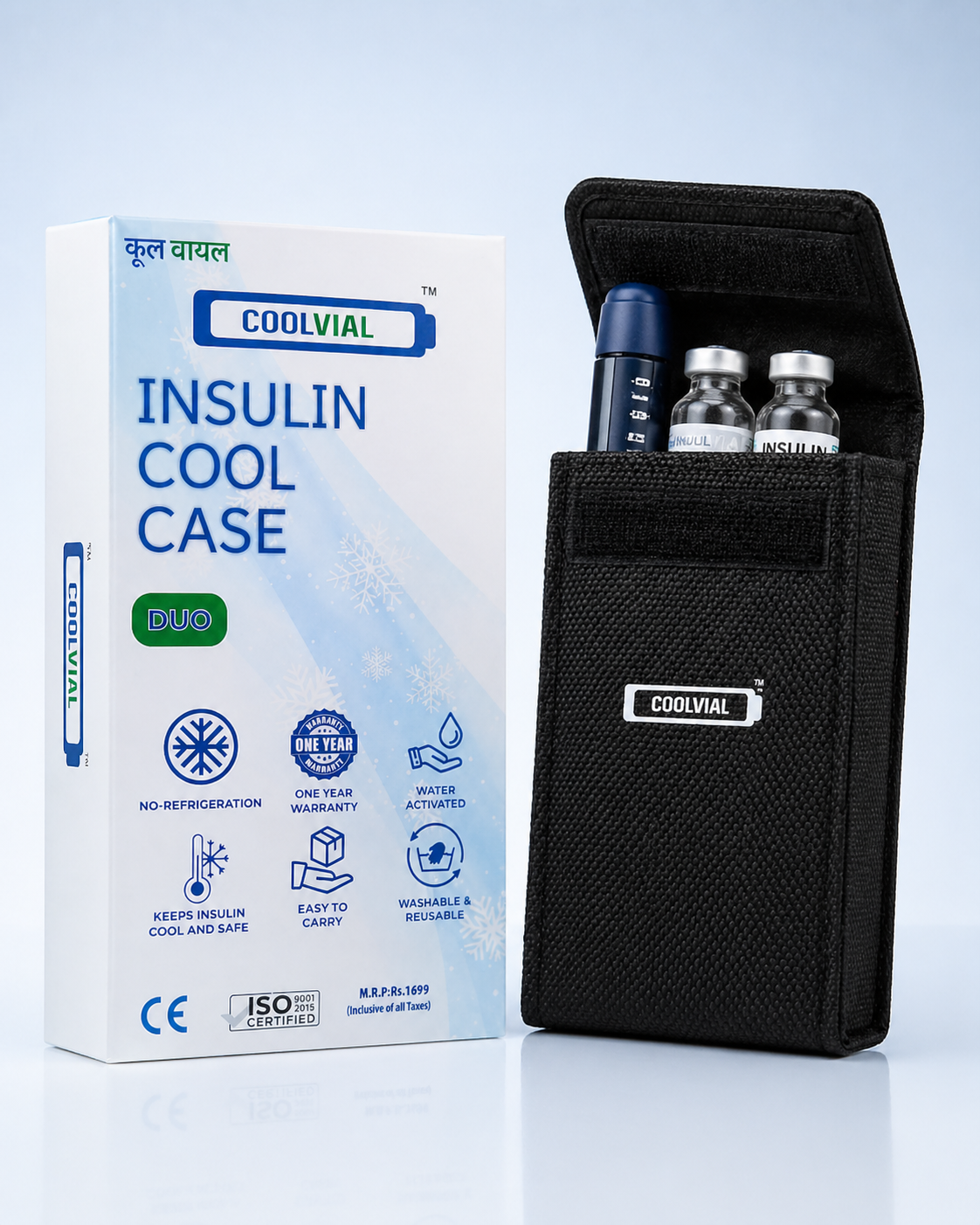
10 Essential Tips for GLP-1 Drug Storage in India: Ozempic, Mounjaro & Rybelsus
10 Essential Tips for GLP-1 Drug Storage in India: Ozempic, Mounjaro & Rybelsus
Don't let Indian heat spoil your insulin. COOLVIAL protects it for 48+ hours.
Ensuring the longevity and efficacy of your GLP-1 medications in India’s challenging climate requires proactive steps. Here are 10 essential tips for optimal GLP-1 drug storage in India for Ozempic, Mounjaro, and Rybelsus.
- Always Read the Label: The first and most crucial step is to meticulously read and understand the storage instructions provided with your specific GLP-1 medication. While general guidelines exist, individual brands and formulations may have slight variations.
- Refrigerate Unopened Pens Correctly: For Ozempic and Mounjaro, store all unopened pens in the main compartment of your refrigerator (2°C to 8°C). Avoid the freezer compartment, as freezing can damage the medication beyond repair.
- Monitor In-Use Pens: Once an injectable pen is opened, note the date. Ozempic can be stored at room temperature (below 30°C) for up to 56 days, while Mounjaro is 30 days. After these periods, discard the pen, even if medication remains.
- Protect from Heat and Sunlight: Never leave your GLP-1 medications in direct sunlight, such as on a windowsill, car dashboard, or near heat sources like stoves or heaters. High temperatures are the primary enemy of these drugs.
- Combat Humidity for Oral Medications: Rybelsus tablets are highly sensitive to moisture. Always keep them in their original sealed blister pack until the moment of consumption. Avoid storing them in bathrooms or other humid environments.
- Invest in a Quality Cool Case for Travel: For injectable GLP-1 drugs, a reliable insulated cool case is indispensable, especially when travelling. Products like the COOLVIAL insulin cool case are designed to maintain optimal temperatures for extended periods, protecting your medication from external heat.
- Pack Smart for Journeys: When travelling by train, bus, or car across India, pack your cool case strategically. Keep it in the coolest part of the vehicle, away from windows and direct sun. Consider using ice packs (not directly touching the pen) within the cool case.
- Prepare for Power Cuts: In areas prone to power outages, have a contingency plan. Keep extra ice packs in your freezer. If a power cut lasts for an extended period, transfer your refrigerated GLP-1 pens to a pre-cooled insulated bag with ice packs, ensuring they don’t freeze.
- Avoid Extreme Temperature Fluctuations: While some medications can tolerate room temperature after opening, try to keep them in a stable environment. Avoid moving them frequently between very cold and very warm places, as rapid temperature changes can also stress the drug.
- Check for Signs of Degradation: Be vigilant for any visual changes in your injectable medication. This includes cloudiness, discoloration, or particles in the solution. For Rybelsus, look for any signs of tablet damage or moisture absorption. If you notice any changes, discard the medication and consult your doctor or pharmacist.
Adhering to these tips will significantly enhance your ability to store your GLP-1 medications safely and effectively, ensuring they continue to support your health goals.
Navigating India’s Diverse Climate: Regional Storage Challenges
India’s vast geography means that “room temperature” can vary dramatically from one region to another, and even within the same city over the course of a day or season. This presents unique regional challenges for GLP-1 drug storage in India.
The Scorching North and West (e.g., Delhi, Rajasthan, Gujarat)
Summers in states like Rajasthan, Uttar Pradesh, and Gujarat, and major cities like Delhi, Ahmedabad, and Jaipur, regularly see temperatures soar above 40°C, often reaching 45°C or more. In such extreme heat, an ordinary room can quickly become an oven, far exceeding the 30°C maximum for most GLP-1 drugs. Even air-conditioned spaces can warm up rapidly during power cuts, which are common during peak summer demand.
- Challenge: Sustained high temperatures, frequent power outages.
- Solution: Reliance on robust insulated cool cases, vigilant temperature monitoring, and backup power solutions where possible.
The Humid Coasts and South (e.g., Mumbai, Chennai, Kerala, Kolkata)
Coastal regions like Mumbai, Chennai, Kochi, and Kolkata experience high humidity levels throughout much of the year, especially during the monsoon season. While temperatures might not always be as extreme as the North, the combination of heat and humidity can be detrimental. High moisture content in the air can affect packaging and potentially compromise the stability of oral medications like Rybelsus if not properly sealed.
- Challenge: High humidity, moderate to high temperatures, risk of mold/moisture damage.
- Solution: Strict adherence to original packaging for Rybelsus, using dehumidifiers if available, and ensuring cool cases are completely dry before storing medications.
The Moderate Hills and Deccan Plateau (e.g., Bengaluru, Pune)
Cities on the Deccan Plateau, like Bengaluru and Pune, generally enjoy more moderate climates. However, even these regions experience warm summers and occasional heatwaves. The challenge here is often a false sense of security, leading to less vigilance in storage.
- Challenge: Occasional heat spikes, complacency due to generally mild weather.
- Solution: Consistent application of storage best practices, even when the weather seems forgiving.
Travel and Festivals
Indian festivals, such as Diwali, Eid, or Kumbh Mela, often involve extensive travel and large gatherings, sometimes in remote locations with limited access to refrigeration. Train journeys, which can last for days, and long bus rides pose a significant risk to temperature-sensitive medications.
- Challenge: Extended periods away from stable storage, unpredictable environments.
- Solution: Planning ahead, carrying sufficient medication in a reliable cool case, and understanding the specific duration your medication can withstand outside ideal conditions. The COOLVIAL cool case is designed to address these very challenges, offering a dependable solution for maintaining optimal temperatures during transit.
| Indian Region | Typical Climate Challenge | Specific GLP-1 Storage Concern |
|---|---|---|
| North/West Plains | Extreme Summer Heat (40-45°C+) | Injectable pens exceeding 30°C limit |
| Coastal Areas (Monsoon) | High Humidity, Warm (28-35°C) | Rybelsus moisture damage, injectable potency |
| Deccan Plateau | Warm Summers (30-38°C) | Overlooking need for cool storage |
| Himalayas | Cold Winters (below 0°C in peaks) | Risk of freezing injectable pens |
By understanding these regional nuances, patients can tailor their storage strategies to their specific environment, ensuring their GLP-1 drugs remain effective against the backdrop of India’s diverse climate.
Ensuring Optimal GLP-1 Drug Storage in India with COOLVIAL
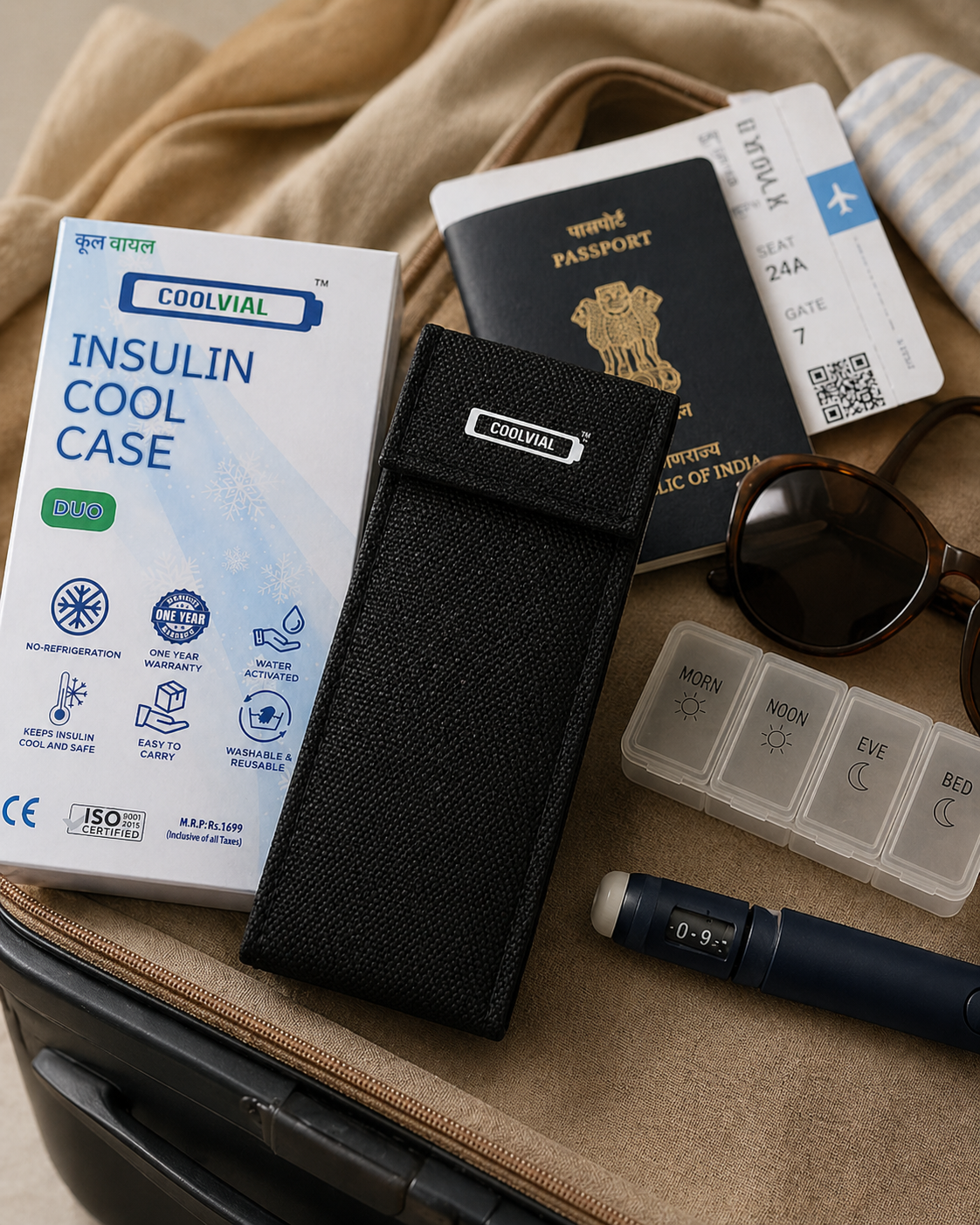
Given the complexities of maintaining precise temperature control for medications like Ozempic, Mounjaro, and Rybelsus in India, a reliable storage solution is not just a luxury but a necessity. This is
10 Essential Tips for GLP-1 Drug Storage in India: Ozempic, Mounjaro & Rybelsus
COOLVIAL keeps insulin at 2-8°C for 48+ hours. No electricity needed. Trusted by 10,000+ diabetics.
10 Essential Tips for GLP-1 Drug Storage in India: Ozempic, Mounjaro & Rybelsus
48+ hours at 2-8°C. No electricity. CE certified. Free delivery across India.
Order on WhatsApp — ₹1,099🛒 Buy Now — ₹1,099