
Reviewed by the COOLVIAL Editorial Team — specialists in insulin storage for Indian climate conditions.
Keeping your insulin pump reservoir safe and effective in India’s often sweltering heat is a critical concern for millions managing diabetes. To ensure optimal insulin pump reservoir storage in hot Indian conditions, it is essential to maintain specific temperature ranges: unopened insulin should be stored in a refrigerator at 2–8°C, while an in-use reservoir, once filled, can typically remain at room temperature (up to 25°C) for a limited period, usually 6-7 days, before needing replacement. Crucially, insulin begins to degrade rapidly and loses its potency if exposed to temperatures above 30°C, a common occurrence in many Indian cities during summer months where mercury often soars past 40°C. This comprehensive guide will equip you with 7 proven steps and practical strategies to protect your vital medication, ensuring its efficacy and your peace of mind amidst India’s unique climatic challenges.
This article delves into the specific challenges faced by insulin pump users in India, offering detailed guidance on how to safeguard your insulin pump reservoir from heat, humidity, and unexpected power outages. You’ll learn about the science behind insulin degradation, practical storage solutions, and essential tips for travel and daily life, all tailored to the Indian context.
Table of Contents
- Why Optimal Insulin Pump Reservoir Storage Matters in Hot Indian Conditions
- Core Concepts of Insulin Stability and Degradation
- Insulin Pump Reservoir Storage in Hot Indian Conditions: Practical Steps
- India-Specific Context for Optimal Insulin Pump Reservoir Care
- COOLVIAL: Your Trusted Partner for Reliable Insulin Pump Reservoir Protection
- Essential Checklist & Frequently Asked Questions for Insulin Pump Reservoir Storage
- Conclusion: Ensuring Continuous Care
Why Optimal Insulin Pump Reservoir Storage Matters in Hot Indian Conditions
India presents a unique set of challenges for individuals managing diabetes, particularly those relying on insulin pumps. The country’s vast geographical expanse means diverse climates, from the scorching deserts of Rajasthan to the humid coastal regions of Kerala and Maharashtra, and the intense summers experienced across the Gangetic plains, including cities like Delhi, Lucknow, and Patna. These conditions directly impact the stability of insulin, making proper insulin pump reservoir storage in hot Indian conditions not just a recommendation, but a critical necessity.
Insulin is a protein, and like many proteins, it is highly sensitive to temperature fluctuations. Exposure to excessive heat causes insulin to denature, meaning its molecular structure changes, rendering it less effective or even completely inactive. This degradation is irreversible and can lead to dangerously high blood sugar levels, impacting a person’s health and quality of life. In India, where summer temperatures in many states routinely exceed 40°C, and can even touch 48°C in places like Nagpur or Chennai, the risk of insulin spoilage is constant. The World Health Organization (WHO) and leading diabetes associations recommend storing unopened insulin between 2°C and 8°C, and in-use insulin, including that in a pump reservoir, at room temperature, ideally below 25°C, for up to 6-7 days. Temperatures above 30°C for even short periods can significantly compromise insulin’s integrity.
Beyond the ambient heat, intermittent power cuts, especially prevalent in many tier-2 and tier-3 cities and rural areas during peak summer, pose an additional threat. A refrigerator losing power for several hours can quickly cease to be a safe storage environment. This necessitates alternative, reliable cooling solutions. Furthermore, travel within India, whether by train, bus, or car, often involves long journeys without consistent access to refrigeration. Pilgrimages to places like Vaishno Devi or treks in the Himalayas also expose insulin to varied and often unpredictable temperatures. According to the International Diabetes Federation (IDF), India had 101 million diabetics in 2023, a number projected to grow, underscoring the widespread need for robust insulin management strategies. Understanding these challenges is the first step towards implementing effective storage practices. For more general advice on managing diabetes while traveling, you can refer to resources like Diabetes UK (Source: Diabetes UK).
Core Concepts of Insulin Stability and Degradation
Understanding how insulin works and why temperature is so crucial for its stability is fundamental to ensuring effective insulin pump reservoir storage in hot Indian conditions. Insulin, a life-saving hormone, is a delicate protein. Its therapeutic action relies on its specific three-dimensional structure. Any alteration to this structure, primarily caused by temperature extremes, light, or vigorous shaking, can compromise its ability to regulate blood glucose.
The Science of Insulin Degradation
When insulin is exposed to high temperatures (typically above 25°C for extended periods, and critically above 30°C), its protein molecules can begin to unfold and clump together. This process, known as denaturation, changes the insulin’s shape, making it unable to bind effectively to insulin receptors in the body. The result is a loss of potency, meaning that even if you inject the correct dose, your body won’t receive the full therapeutic effect. This can lead to uncontrolled blood sugar levels, increasing the risk of both short-term complications like hyperglycemia and long-term issues such as kidney damage, nerve damage, and cardiovascular disease. Conversely, freezing insulin can also damage its structure, as ice crystals can break the protein chains.
"Finally a cooler that works in Indian summers. Insulin stayed perfect during a 3-day power cut." — Ramesh, Chennai
7 Proven Steps for Optimal Insulin Pump Reservoir Storage in Hot Indian Conditions
CE Certified · Free Delivery · 1-Year Warranty
📲 Buy on WhatsApp — ₹1,099Recommended Temperature Ranges for Insulin
Maintaining insulin within its optimal temperature range is non-negotiable for its effectiveness. Here’s a quick reference:
7 Proven Steps for Optimal Insulin Pump Reservoir Storage in Hot Indian Conditions
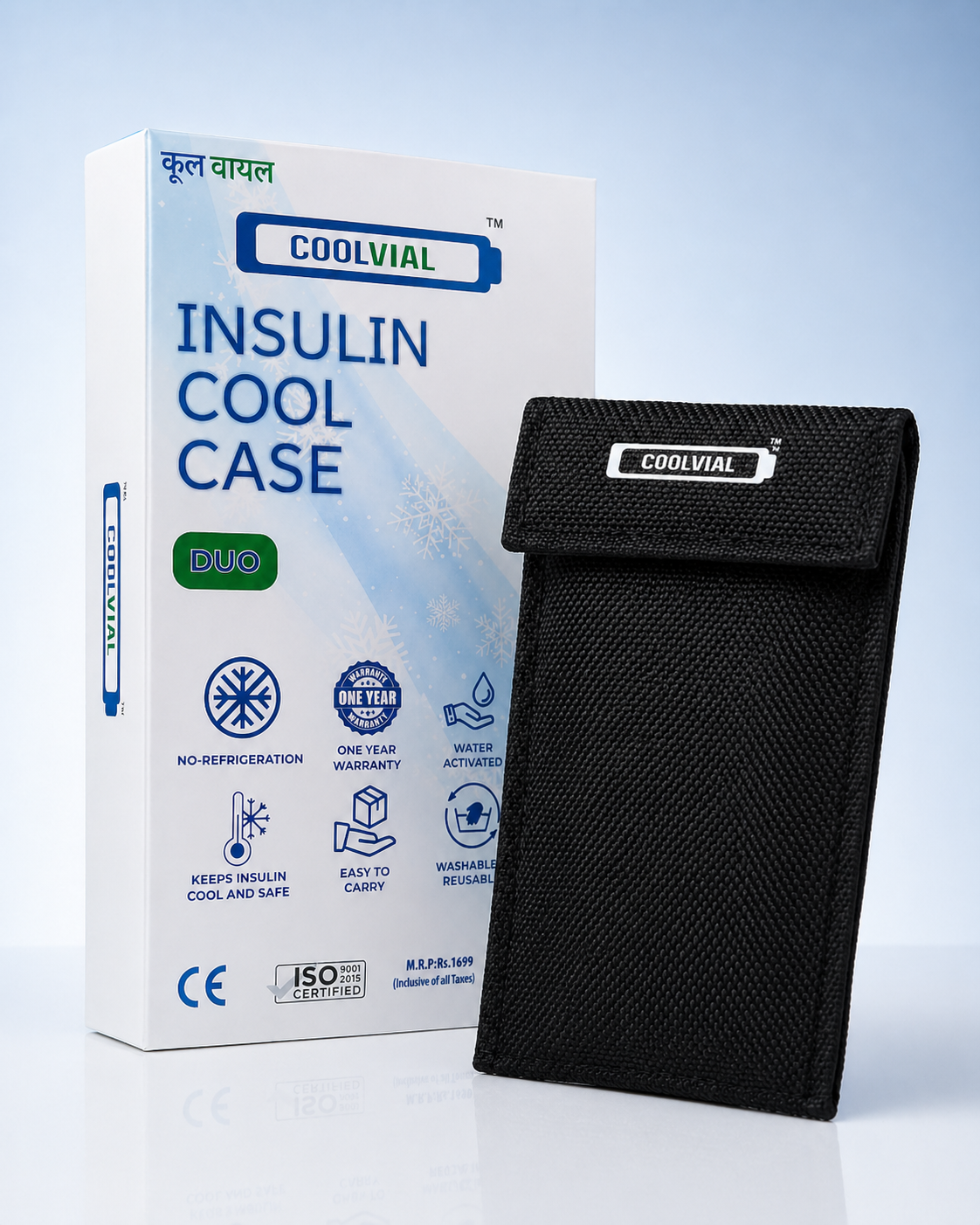
COOLVIAL keeps insulin safe in India's heat. 48+ hours, no electricity needed.
| Insulin State | Optimal Temperature Range | Maximum Duration at Room Temperature (Approx.) | Notes |
|---|---|---|---|
| Unopened (Vials/Pens) | 2°C to 8°C (Refrigerator) | Not recommended | Store in original packaging, away from light. |
| In-use (Vials/Pens) | 15°C to 25°C (Room Temp) | 28 days | Do not refrigerate once opened. |
| In-use (Pump Reservoir) | 15°C to 25°C (Room Temp) | 6-7 days (as per manufacturer) | Follow pump manufacturer’s specific guidelines. |
| Critical Threshold | Above 30°C | Immediate degradation | Potency significantly reduced, avoid at all costs. |
| Freezing Point | Below 0°C | Immediate degradation | Do not use if frozen, even if thawed. |
Specifics for Insulin Pump Reservoirs
Insulin pump reservoirs are designed to hold insulin for several days, typically 3 to 7 days, depending on the pump model and individual insulin usage. During this time, the insulin is at “room temperature” as it’s carried on the body. This room temperature, however, is assumed to be within a safe range, generally not exceeding 25°C. In India’s hot climate, “room temperature” can often be well above this ideal.
The small volume of insulin in a reservoir, combined with its constant proximity to body heat and ambient temperatures, makes it particularly vulnerable to degradation. Unlike a large vial, a pump reservoir has less thermal mass to resist rapid temperature changes. Therefore, proactive measures for insulin pump reservoir storage in hot Indian conditions are even more crucial to prevent insulin from losing its efficacy within the typical 3-7 day use period.
Insulin Pump Reservoir Storage in Hot Indian Conditions: Practical Steps
Effective management of your insulin pump reservoir in India’s challenging climate requires a combination of awareness, planning, and the right tools. Here are 7 practical steps to ensure your insulin remains potent and safe.
-
Understand Your Insulin’s Lifespan:
- Unopened Insulin: Always store in a refrigerator between 2-8°C. Do not freeze.
- In-use Reservoir: Once filled and loaded into your pump, insulin is generally stable for 6-7 days at temperatures up to 25°C. Check your specific insulin and pump manufacturer’s guidelines, as some may vary slightly. After this period, even if there’s insulin left, it’s best to replace the reservoir to ensure full potency.
-
Utilize Insulated Cool Cases for Daily Use:
- Invest in a high-quality insulated cool case. These cases are designed to maintain a stable, cool temperature for your insulin, even when ambient temperatures are high. They typically use gel packs or evaporative cooling technology.
- Always carry your pump in such a case when outdoors, during travel, or if you anticipate being in a warm environment for an extended period. This is especially vital when navigating busy markets in Hyderabad or commuting in Mumbai’s local trains.
-
Strategic Placement and Protection:
- Avoid Direct Sunlight: Never leave your pump, or spare reservoirs, in direct sunlight, even for a few minutes. This includes car dashboards, windowsills, or open bags at the beach.
- Minimize Body Heat Transfer: While your pump is attached to your body, your body heat can slightly warm the insulin. When possible, place your pump in a pocket or pouch that has some airflow, rather than directly against your skin, especially during strenuous activity or in very hot weather.
-
Prepare for Power Outages:
- Backup Cooling: Keep a small, insulated cooler bag with reusable ice packs specifically for insulin storage during power cuts. Ensure the ice packs are not directly touching the insulin to prevent freezing.
- Emergency Plan: Have a plan for extended outages. Know where the nearest medical facility or pharmacy with reliable refrigeration is, should you need to temporarily store larger quantities of unopened insulin. This is crucial in regions prone to frequent power disruptions, like parts of Uttar Pradesh or Bihar.
-
Smart Travel Strategies:
- Carry-on Luggage: Always carry all your insulin and pump supplies in your carry-on luggage when flying. Checked baggage can experience extreme temperature fluctuations.
- Cool Case During Travel: Use your insulated cool case for all forms of travel – bus, train, or car. For long train journeys across India, ensure your cool case’s cooling elements are recharged or replaced periodically.
- Documentation: Carry a doctor’s note explaining your need for insulin and pump supplies, especially for airport security.
-
Regular Monitoring and Inspection:
- Visual Check: Before filling your reservoir, always visually inspect the insulin. It should be clear and colorless (for most types). If it looks cloudy, has particles, or has changed color, do not use it.
- Blood Glucose Monitoring: If you suspect your insulin might have been exposed to high temperatures, monitor your blood glucose levels more frequently. Unexplained high readings could indicate degraded insulin.
7 Proven Steps for Optimal Insulin Pump Reservoir Storage in Hot Indian Conditions
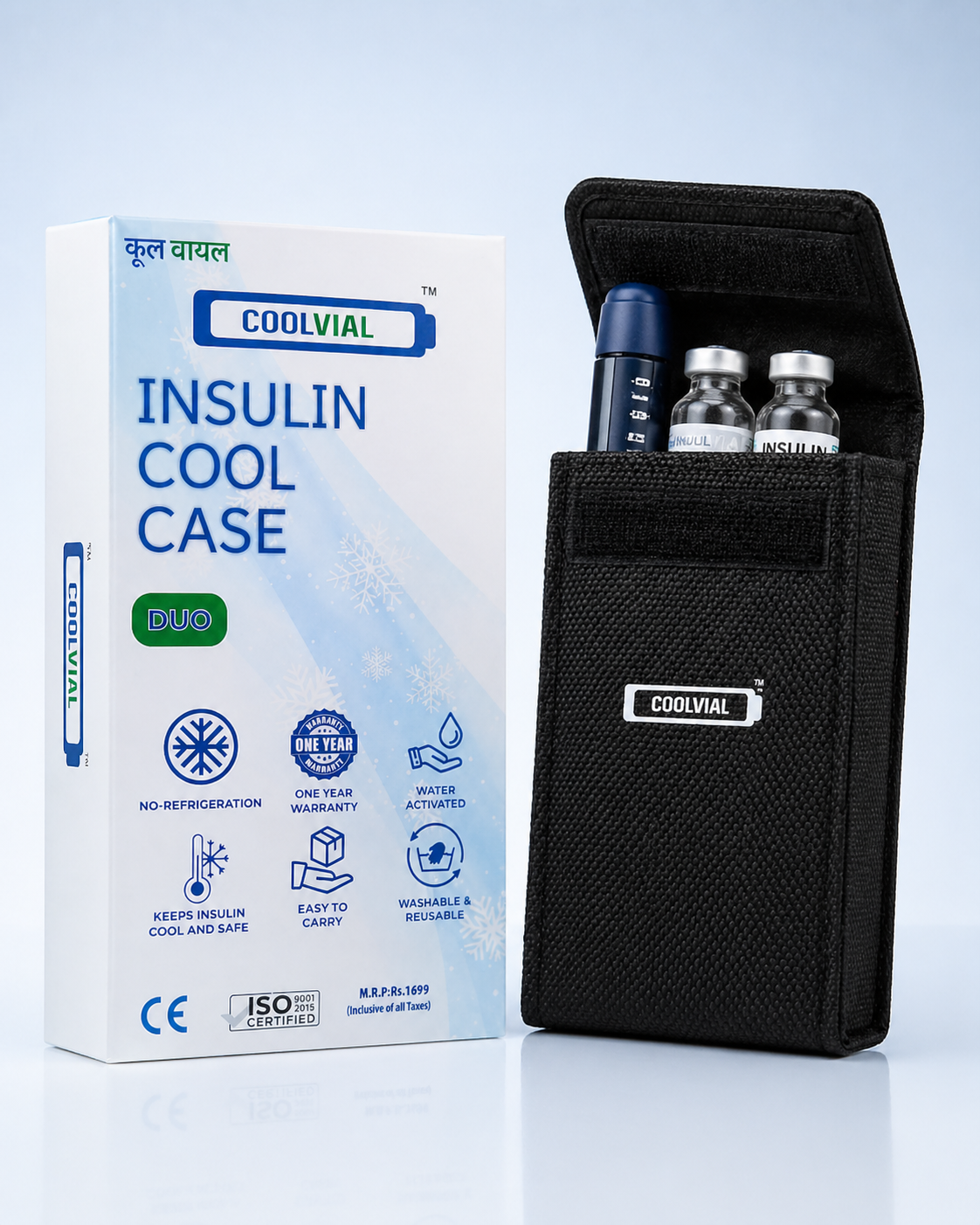
Keep your insulin safe in India's extreme heat. COOLVIAL works for 48+ hours without electricity.
- Rotate Your Stock:
- Use the oldest insulin vials first (check expiry dates). This ensures you’re not holding onto insulin that is nearing its shelf life, reducing the risk of using less potent medication.
7 Proven Steps for Optimal Insulin Pump Reservoir Storage in Hot Indian Conditions
Insulin at 2-8°C for 48+ hours. Trusted by 10,000+ Indian diabetics.
By meticulously following these steps for insulin pump reservoir storage in hot Indian conditions, you can significantly reduce the risk of insulin degradation and maintain optimal diabetes control.
India-Specific Context for Optimal Insulin Pump Reservoir Care
Managing an insulin pump in India requires an acute awareness of the local climate and infrastructure. The vastness and diversity of the country mean that challenges and solutions for insulin pump reservoir storage in hot Indian conditions can vary significantly from one region to another.
Climate Extremes and Their Impact
- Northern Plains (e.g., Delhi, Lucknow, Jaipur): Summers are intensely hot and dry, with temperatures often soaring above 45°C. Humidity is lower, but the sheer heat can quickly degrade insulin. Winter months are cold, requiring protection from freezing, especially during travel.
- Coastal Regions (e.g., Mumbai, Chennai, Kolkata): Characterized by high humidity and warm temperatures throughout much of the year, even during monsoons. High humidity can affect pump electronics and infusion sets, in addition to insulin stability. For example, Chennai often sees temperatures above 35°C with 80% humidity.
- Deccan Plateau (e.g., Bengaluru, Hyderabad, Pune): Generally more moderate, but summers can still be quite warm, reaching 35-40°C. Urban heat island effects in these rapidly growing cities can exacerbate the problem.
- Hilly Regions (e.g., Shimla, Ooty): Cooler overall, but still susceptible to temperature fluctuations. Day temperatures can be mild, but direct sun exposure at altitude can still be risky. Freezing temperatures at night in winter are a concern.
Navigating Indian Travel and Infrastructure
- Public Transport: Long-distance train and bus travel are common in India. These modes of transport often lack temperature control, especially in non-AC coaches. Carrying a reliable cool case is paramount for any journey longer than a few hours. Consider the popular pilgrimage routes during festivals like Kumbh Mela or during Eid, where large crowds and extended travel times are common, making temperature control challenging.
- Power Reliability: As mentioned, power cuts are a reality in many parts of India. While major metropolitan areas like Delhi and Bengaluru have improved power infrastructure, smaller towns and rural areas frequently experience outages, particularly during peak summer when demand is high. A 2022 survey indicated that 78% of Indian households faced daily power cuts in summer (Source: India Energy Access Survey). This makes reliance solely on refrigerator storage risky for unopened insulin.
- Local Festivals and Gatherings: Attending weddings, religious festivals (like Diwali, Holi, or Ganesh Chaturthi), or family gatherings often means spending extended periods outdoors or in crowded venues without easy access to temperature-controlled environments. Planning ahead with portable cooling solutions is essential.
Tips for Specific Indian Scenarios:
- During Holi/Diwali: If outdoors, ensure your pump and spare reservoirs are kept in a water-resistant, insulated pouch, away from direct sunlight and any potential color splashes or fireworks.
- Monsoon Season: While temperatures might drop slightly, humidity soars. Protect your pump from moisture, which can damage electronics. Use waterproof pouches in addition to cool cases.
- Rural Visits: When visiting villages, especially during summer, assume limited access to reliable refrigeration. Carry enough pre-cooled insulin in your cool case for the duration of your stay, along with backup supplies.
- Car Travel: Even with car AC, temperatures inside a parked car can quickly skyrocket. Never leave your pump or insulin in a parked car. Use a cool case, even when the AC is running, for an extra layer of protection.
By acknowledging and preparing for these India-specific scenarios, individuals can better ensure the safety and efficacy of their insulin pump reservoir, maintaining good health outcomes regardless of where they are in the country.
COOLVIAL: Your Trusted Partner for Reliable Insulin Pump Reservoir Protection
In the face of India’s challenging climate conditions, ensuring effective insulin pump reservoir storage in hot Indian conditions requires more than just awareness; it demands a dependable solution. This is where COOLVIAL steps in, offering a practical, affordable, and highly effective way to protect your vital insulin.
COOLVIAL insulin cool cases are specifically designed with the Indian user in mind. We understand the daily realities of high temperatures, unpredictable power supply, and the need for mobility. Our cool cases provide a reliable thermal barrier, keeping your insulin within the safe temperature range even when the mercury outside is soaring.
How COOLVIAL Protects Your Insulin Pump Reservoir:
- Sustained Cooling: Our cases utilize advanced cooling technology (often evaporative cooling or high-grade insulation with gel packs) that maintains the required temperature for extended periods, typically 24-48 hours, without needing electricity. This is crucial during long journeys or unexpected power outages.
- Portability and Convenience: Lightweight and compact, COOLVIAL cases are easy to carry in your bag, backpack, or even clipped to your clothing. They are discreet and designed for hassle-free use, whether you’re commuting to work in Bengaluru, traveling for a wedding in Rajasthan, or simply running errands in Pune.
- Durability: Built to withstand daily use, our cases are made from robust materials that protect your pump reservoir from physical impact as well as temperature extremes.
- Affordability: We believe that effective insulin storage should be accessible to everyone. Priced at just ₹1,099, a COOLVIAL insulin cool case offers an invaluable investment in your health and peace of mind. Our COOLVIAL insulin cool case is designed for every Indian diabetic.
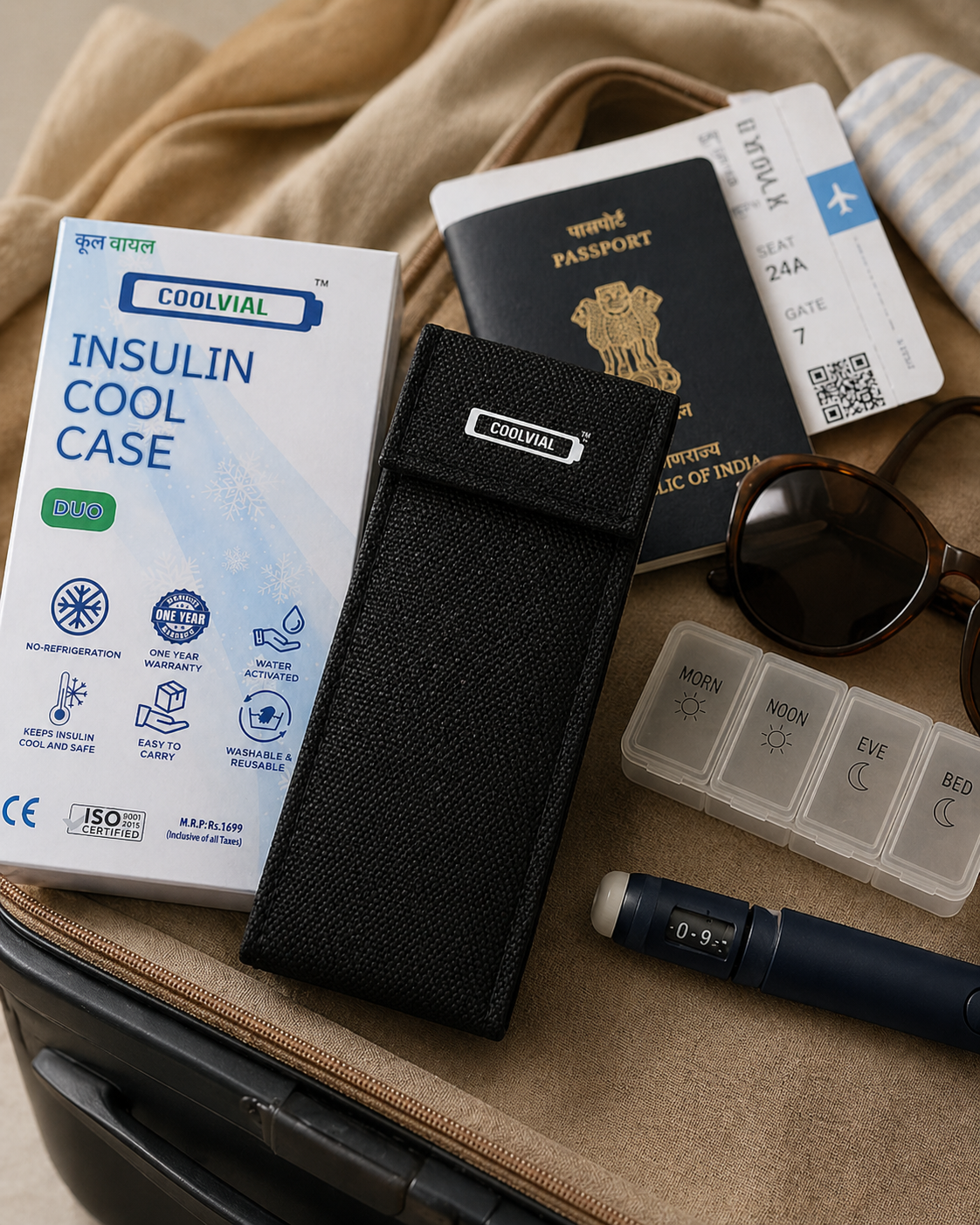
Imagine navigating the bustling streets of Kolkata during summer, knowing your insulin pump reservoir is safely tucked away in its COOLVIAL case, shielded from the oppressive heat. Or embarking on a spiritual journey to Uttarakhand, confident that your medication will remain potent throughout your travel. COOLVIAL empowers you to live your life fully, without the constant worry of insulin spoilage. Our solution is a testament to our commitment to the well-being of the Indian diabetes community.
Essential Checklist & Frequently Asked Questions for Insulin Pump Reservoir Storage
To consolidate the critical information for insulin pump reservoir storage in hot Indian conditions, here’s a quick checklist and answers to some common questions.
Insulin Pump Reservoir Storage Checklist:
- Always have a COOLVIAL insulin cool case ready. Ensure its cooling elements are charged or activated as per instructions.
- Store unopened insulin vials/pens in the refrigerator (2-8°C). Check expiry dates regularly.
- Never expose your insulin pump or spare reservoirs to direct sunlight. This includes car dashboards, windowsills, or open bags.
- Monitor ambient temperatures. If it’s above 25°C, consider using your cool case even indoors if AC isn’t consistently available.
- Inspect insulin visually before use. Look for cloudiness, particles, or discoloration.
- Carry a doctor’s note and spare supplies when traveling. Always keep insulin in carry-on luggage.
- Have a backup plan for power outages. This includes
7 Proven Steps for Optimal Insulin Pump Reservoir Storage in Hot Indian Conditions
Don't let Indian heat spoil your insulin. COOLVIAL protects it for 48+ hours.