
Reviewed by the COOLVIAL Editorial Team — specialists in insulin storage for Indian climate conditions.
Mumbai’s relentless humidity and India’s often extreme temperatures pose significant challenges for individuals managing diabetes. To protect your insulin from degradation, it’s crucial to store unopened vials between 2-8°C (refrigerator temperature) and opened ones between 15-25°C (room temperature). Mumbai humidity and insulin how to protect your vials in India is a critical concern, as temperatures above 30°C can quickly compromise insulin potency. India alone had 101 million diabetics in 2023 (Source: International Diabetes Federation), highlighting the widespread need for effective insulin storage solutions. This comprehensive guide will equip you with 7 essential strategies to safeguard your insulin, ensuring its efficacy and your peace of mind, even in the most challenging Indian weather conditions.
Table of Contents
- The Unique Challenges of Indian Climate for Insulin Storage
- Understanding Insulin Stability: The Science Behind Safe Storage
- Proven Strategies for Managing Mumbai Humidity and Insulin: How to Protect Your Vials in India
- Navigating India’s Diverse Climates: Beyond Mumbai’s Humidity
- The Smart Solution for Mumbai Humidity and Insulin: Introducing COOLVIAL Cool Cases
- Essential Quick Reference: FAQs on Insulin Storage in India
- Conclusion: Ensuring Safe Insulin for a Healthier Life
The Unique Challenges of Indian Climate for Insulin Storage
India’s vast geography presents a myriad of climatic conditions, from the scorching dry heat of Rajasthan to the humid coastal warmth of Chennai and Kolkata, and the intense monsoon seasons across the country. Mumbai, in particular, is notorious for its high humidity levels, often exceeding 80-90% during the monsoon months, coupled with temperatures that frequently hover above 30°C. These conditions are far from ideal for insulin, a temperature-sensitive medication. When insulin is exposed to temperatures outside its recommended range, its protein structure can degrade, leading to a loss of potency. This means that even if a diabetic takes their prescribed dose, the compromised insulin may not effectively lower blood glucose levels, leading to hyperglycemia and potentially dangerous short-term and long-term complications.
Beyond natural climate, India’s infrastructure also poses unique challenges. Frequent power cuts, especially in rural areas and during peak summer or monsoon, can disrupt refrigerator cooling, leaving insulin vulnerable. Traveling across states by train or bus, often without reliable air conditioning, further exposes insulin to heat fluctuations. Even everyday activities like running errands or attending festivals can subject insulin to direct sunlight or ambient heat for extended periods. With a staggering 101 million people living with diabetes in India as of 2023 (Source: International Diabetes Federation), ensuring proper insulin storage is not just a personal responsibility but a public health imperative. Understanding these environmental factors is the first step towards developing robust strategies for protecting this vital medication.
Here’s a quick look at ideal vs. problematic storage conditions:
| Condition | Temperature Range | Impact on Insulin |
|---|---|---|
| Ideal (Unopened) | 2°C to 8°C (Fridge) | Maintains full potency for expiry date. |
| Ideal (Opened) | 15°C to 25°C (Room Temp) | Maintains potency for 28 days (most types). |
| Problematic | Above 30°C | Rapid degradation, loss of potency. |
| Problematic | Below 2°C (Freezing) | Damages protein structure, renders it unusable. |
| Problematic | High Humidity | Can affect pen mechanisms, degrade packaging. |
Understanding Insulin Stability: The Science Behind Safe Storage
Insulin is a delicate protein hormone, and like many biological substances, its stability is highly dependent on environmental conditions, primarily temperature. When insulin is exposed to heat, cold, or direct sunlight, its molecular structure can change, a process known as denaturation. This alteration in shape prevents the insulin from binding correctly to its receptors in the body, thereby reducing its ability to lower blood glucose. The higher the temperature and the longer the exposure, the faster this degradation occurs. This is precisely why understanding the science of insulin stability is paramount for every diabetic, especially in a climate like India’s.
The Ideal Temperature Ranges for Insulin
Mumbai Humidity and Insulin: 7 Essential Ways to Protect Your Vials in India
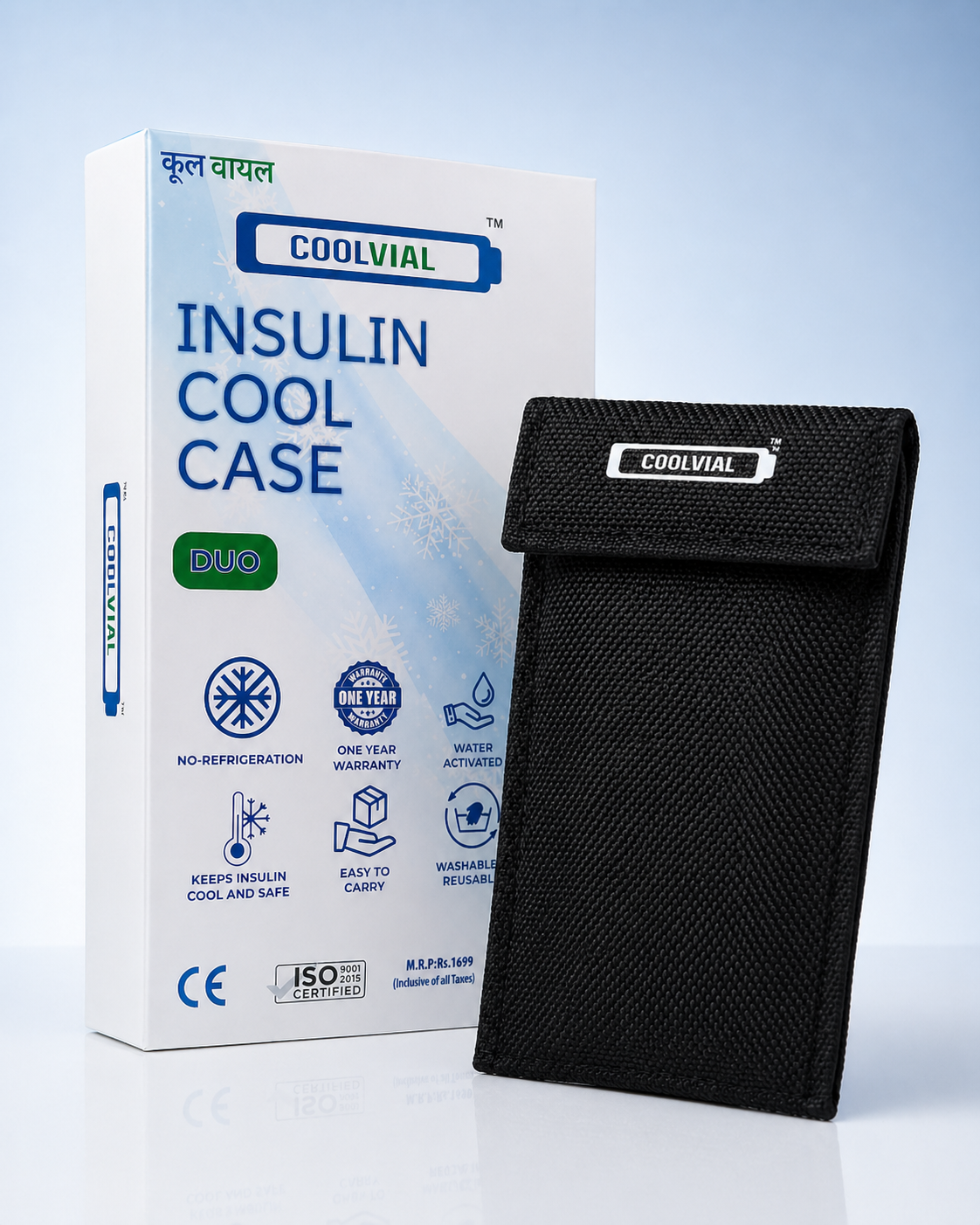
COOLVIAL keeps insulin at 2-8°C for 48+ hours. No electricity needed.
Maintaining the correct temperature is the cornerstone of effective insulin storage. There are two primary recommended temperature ranges:
Mumbai Humidity and Insulin: 7 Essential Ways to Protect Your Vials in India
- Unopened Insulin: Vials, pens, or cartridges that have not been opened should be stored in a refrigerator, ideally between 2°C and 8°C. This range ensures the insulin remains potent until its expiration date, which can be up to two years. Storing it below 2°C risks freezing, which can damage the insulin permanently.
- Opened Insulin: Once an insulin vial or pen is opened, it can typically be stored at room temperature, between 15°C and 25°C, for up to 28 days (or as specified by the manufacturer, some newer pens may last up to 42 days). It’s crucial not to refrigerate opened insulin that will be used daily, as repeated temperature changes can also affect its stability. However, this “room temperature” definition becomes challenging in India, where ambient temperatures often exceed 25°C for much of the year.
How Heat and Humidity Affect Insulin Molecules
When insulin is exposed to temperatures above 30°C, its protein structure begins to unravel. This process is irreversible. High humidity can exacerbate this problem, though its primary impact is often on the physical integrity of insulin pens and packaging rather than the insulin molecule itself. Humidity can lead to condensation, moisture damage to electronic components in smart pens, and even mold growth on packaging.
Signs that your insulin may be compromised include:
- Color change: Clear insulin becoming cloudy or discolored (yellow, brown).
- Clumping or “frosting”: Solid particles or crystals forming in the vial or pen.
- Texture change: Insulin appearing grainy, thickened, or containing thread-like strands.
- Reduced effectiveness: Consistently high blood sugar readings despite taking the correct dose, indicating the insulin is not working as it should.
The Risks of Compromised Insulin
Using insulin that has lost its potency carries significant health risks. The most immediate danger is ineffective blood sugar control. If your insulin isn’t working, your blood glucose levels will remain high, leading to:
- Hyperglycemia: Symptoms like increased thirst, frequent urination, fatigue, and blurred vision.
- Diabetic Ketoacidosis (DKA): A severe, life-threatening complication of uncontrolled hyperglycemia, requiring emergency medical attention.
- Long-term complications: Persistent high blood sugar accelerates the development of chronic diabetes complications, including damage to eyes, kidneys, nerves, and cardiovascular disease.
It’s always safer to discard insulin you suspect has been compromised by heat or cold, even if it appears normal. Your health depends on the full potency of every dose.
Proven Strategies for Managing Mumbai Humidity and Insulin: How to Protect Your Vials in India
Navigating the challenging climate of Mumbai and other parts of India requires proactive and smart strategies to ensure your insulin remains effective. The high temperatures and humidity prevalent for many months of the year demand a vigilant approach to storage. Here are 7 essential ways to protect your insulin vials and pens:
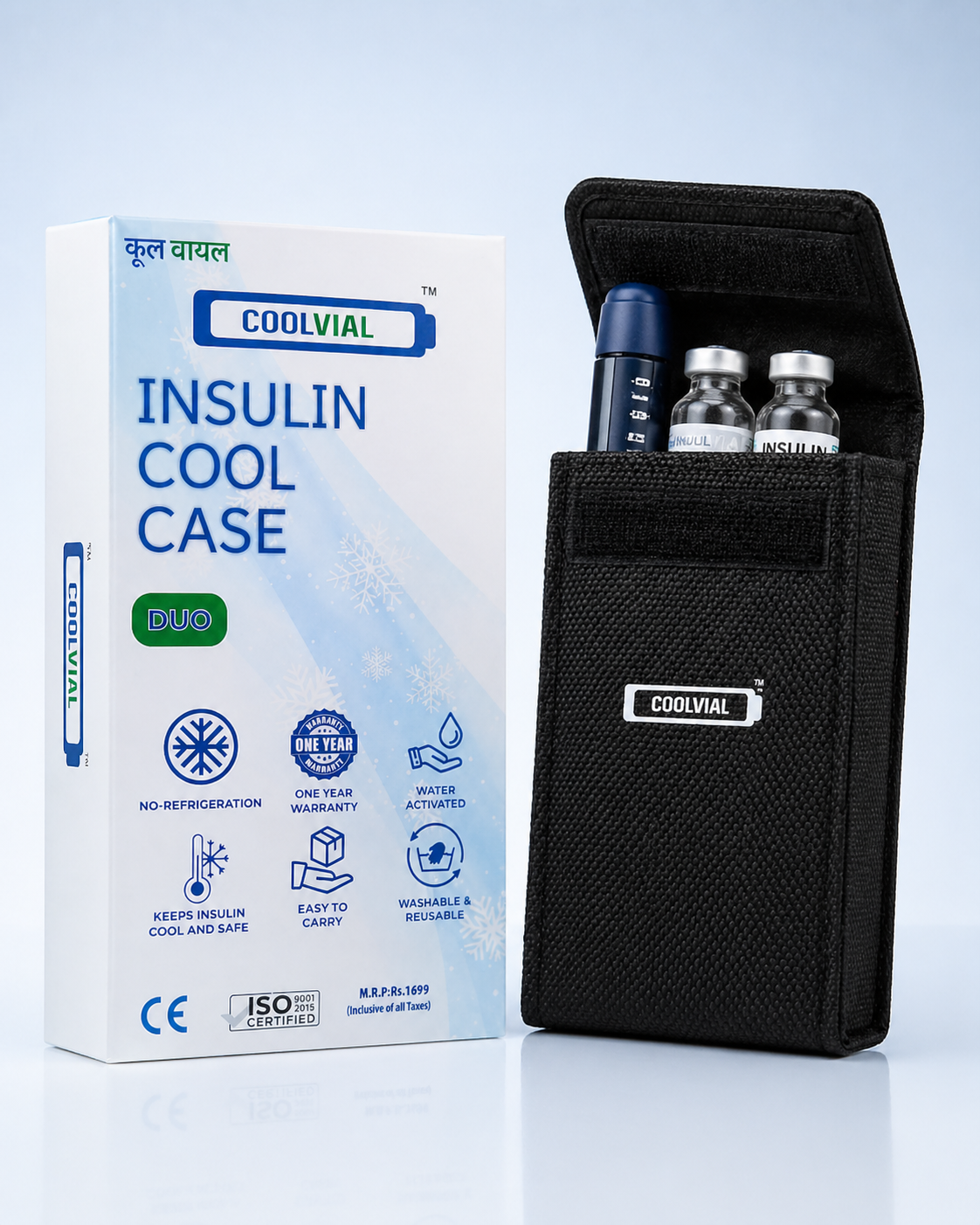
- 1. Invest in a Quality Insulin Cool Case: This is perhaps the most critical investment for any diabetic in India. A specialized insulin cool case, like the COOLVIAL insulin cool case, is designed to maintain insulin within safe temperature ranges (typically 2-8°C or 15-25°C, depending on the model and external conditions) for extended periods without electricity. These cases use advanced insulation and gel pack technology to create a stable microclimate, protecting against both heat and humidity. They are indispensable for travel, daily commutes, or during power outages.
- 2. Master Refrigerator Storage Best Practices: For unopened insulin, the refrigerator is your best friend. Store vials in the main body of the fridge, not in the door (where temperatures fluctuate most) or near the freezer compartment (to prevent accidental freezing). Keep insulin in its original packaging to protect it from light and physical damage. Always ensure your refrigerator is set between 2-8°C. A small fridge thermometer can help you monitor this.
Mumbai Humidity and Insulin: 7 Essential Ways to Protect Your Vials in India
48+ hours at 2-8°C. No electricity. CE certified. Free delivery across India.
Order on WhatsApp — ₹1,099🛒 Buy Now — ₹1,099-
3. Be Mindful of Opened Insulin at “Room Temperature”: In India, “room temperature” often exceeds the safe 25°C limit for opened insulin. If your home or office ambient temperature frequently rises above 25°C, you must find an alternative. This is where a cool case specifically designed for opened insulin (maintaining 15-25°C) becomes vital, even for daily use at home. Avoid leaving opened insulin near windows, on kitchen counters, or in any area exposed to direct sunlight or heat.
-
4. Plan for Travel with Precision: Whether it’s a short trip within Mumbai or a longer journey across India by train, bus, or air, never check insulin into luggage. Always carry it with you in your hand baggage, protected by a cool case. For long train journeys or bus travel in non-AC coaches, ensure your cool case has sufficient cooling capacity for the duration. Always carry extra supplies and a doctor’s note for air travel. These insulin storage tips are crucial for safe transit.
-
5. Implement Emergency Plans for Power Cuts: Power cuts are a reality in many Indian cities and towns, especially during summer. Have a backup plan. If your refrigerator goes out, immediately transfer your unopened insulin to your cool case. For longer outages, consider using ice packs (ensuring they don’t directly touch the insulin to prevent freezing) in a well-insulated container. Know the location of nearby pharmacies or clinics with reliable refrigeration that might be able to temporarily store your insulin in an emergency.
-
6. Monitor Temperature Religiously: A small, inexpensive thermometer in your refrigerator and a portable one for your cool case can be invaluable. Regularly check the temperature to ensure your insulin is within the safe range. If you suspect insulin has been exposed to extreme temperatures, check its appearance carefully. When in doubt, it’s always safer to replace it.
-
7. Avoid Direct Sunlight and Extreme Environments: Never leave insulin in a car, on a windowsill, or anywhere it will be exposed to direct sunlight or extreme heat. The interior of a parked car in Indian summer can reach well over 50°C in minutes, destroying insulin instantly. Always carry your insulin in a cool case and keep it in the coolest part of any environment you are in.
By diligently following these strategies, you can significantly mitigate the risks posed by Mumbai humidity and insulin how to protect your vials in India, ensuring your diabetes management remains effective and uninterrupted.
Navigating India’s Diverse Climates: Beyond Mumbai’s Humidity
While Mumbai’s humidity presents a specific set of challenges, India’s diverse climatic zones each demand tailored insulin storage strategies. Understanding these regional variations is key to comprehensive diabetes management across the country. From the scorching deserts to the chilly mountains, insulin faces different threats.
1. North India (e.g., Delhi, Rajasthan, Uttar Pradesh):
- Challenge: Extreme dry heat during summer (temperatures often exceed 45°C in Delhi and Rajasthan), and cold winters (near freezing in some parts).
- Impact: Rapid insulin degradation due to heat. In winter, risk of freezing if left in unheated rooms or during travel.
- Strategy: During summer, robust cool cases are absolutely essential for daily use and travel. Hydration packs within cool cases can help slightly with dry heat. During winter, protect from freezing by keeping insulin away from windows or unheated areas, and use insulated pouches without cooling elements if needed to maintain room temperature.
2. South India (e.g., Chennai, Hyderabad, Bangalore):
- Challenge: Coastal heat and humidity (Chennai), moderate but often warm climate (Bangalore), inland heat (Hyderabad). Frequent power cuts.
- Impact: Similar to Mumbai, high heat and humidity accelerate degradation. Power cuts risk refrigerator failure.
- Strategy: Cool cases are vital for daily use, especially in coastal cities. For Bangalore, which has a relatively milder climate, careful room temperature monitoring (e.g., using an AC) might suffice, but a cool case is still recommended for peace of mind. Always have a backup plan for power outages.
3. East and Northeast India (e.g., Kolkata, Guwahati, Shillong):
- Challenge: High humidity and significant rainfall during monsoon (Kolkata), varied temperatures from plains to hills, sometimes unreliable power.
- Impact: Humidity can affect pen mechanisms and packaging. Heat remains a constant threat.
- Strategy: Focus on cool cases that also offer good moisture protection. During heavy monsoons, ensure insulin is kept dry and away from any potential leaks. Reliable power backups or extended-duration cool cases are important.
4. Travel and Festivals:
- Indian Railways and State Buses: These vital transport networks often lack consistent climate control. A study by ICMR found that temperatures inside non-AC train coaches can exceed 35°C for hours. A high-performance cool case is non-negotiable for any journey.
- Festivals (Diwali, Holi, Durga Puja): These involve outdoor activities, travel, and often large gatherings. Insulin can be easily exposed to heat, sun, or even forgotten. Always keep insulin securely in a cool case, even when you’re just out for a few hours enjoying festivities.
- Pilgrimages: Journeys to places like Vaishno Devi, Tirupati, or Kedarnath often involve long travel, varying altitudes, and simple accommodations. A durable, reliable cool case is an absolute must to maintain insulin integrity throughout the pilgrimage.
Here’s a comparison of regional challenges and relevant tips:
| Region | Primary Climate Challenge | Specific Impact on Insulin | Recommended COOLVIAL Strategy |
|---|---|---|---|
| Mumbai | High Humidity, Consistent Heat | Accelerated degradation, moisture damage | Daily use of cool case, ensure moisture protection |
| North India | Extreme Dry Heat (Summer), Cold (Winter) | Rapid degradation (heat), Freezing risk (cold) | Robust cool case for summer, insulated pouch for winter to prevent freezing |
| South India | Coastal Heat & Humidity, Power Cuts | Degradation, refrigeration failure | Cool case for daily use, backup plan for power outages |
| East/NE India | High Humidity, Monsoon Rains | Moisture damage, heat degradation | Cool case with good |
Mumbai Humidity and Insulin: 7 Essential Ways to Protect Your Vials in India
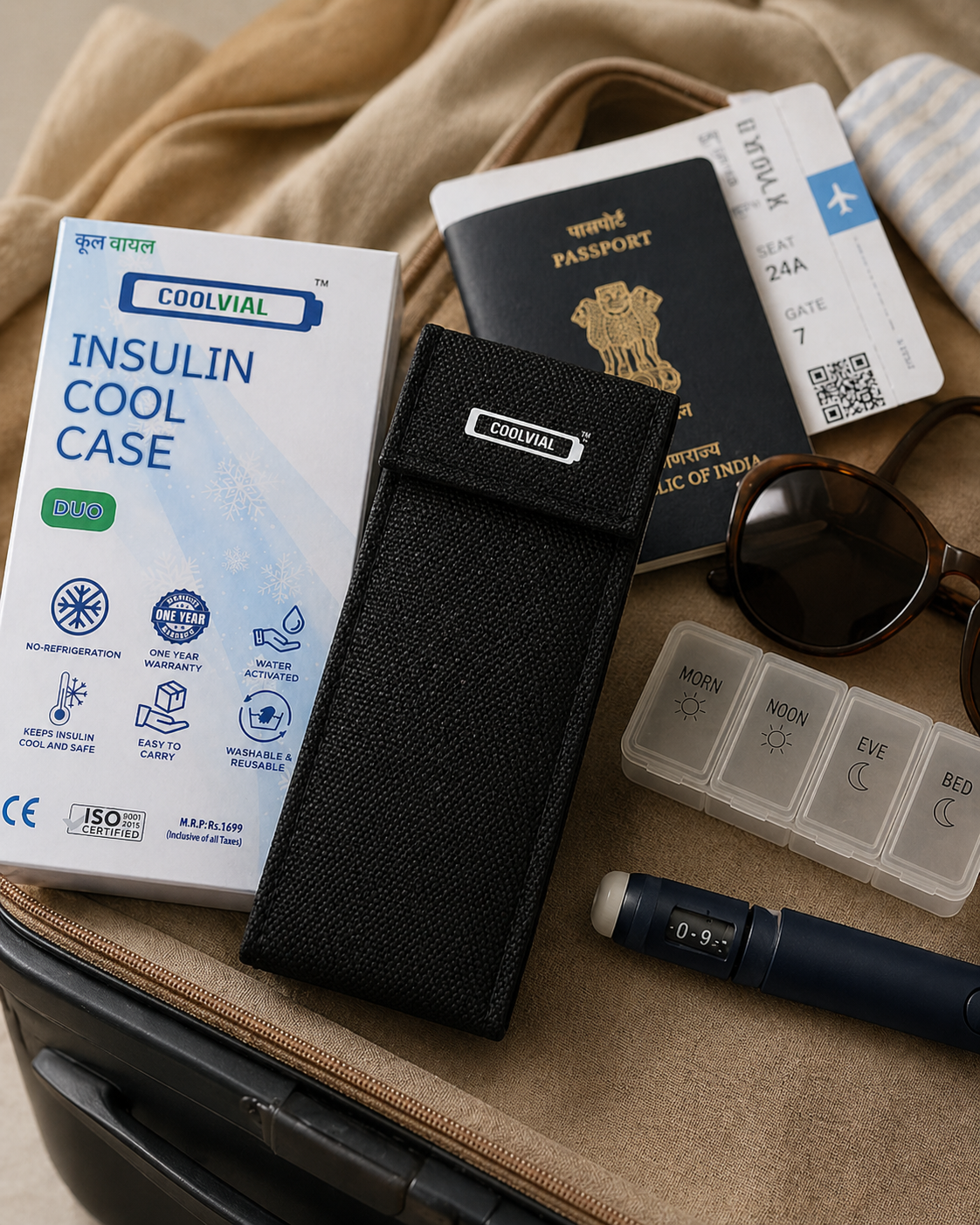
Keep your insulin safe in India's extreme heat. COOLVIAL works for 48+ hours without electricity.