
Reviewed by the COOLVIAL Editorial Team — specialists in insulin storage for Indian climate conditions.
Preparing for childbirth is a momentous occasion, but for expectant mothers managing gestational diabetes, it comes with an added layer of critical planning, especially regarding insulin care. The core of a gestational diabetes hospital bag checklist for India (insulin included) involves meticulous planning for both mother’s and baby’s needs, plus precise insulin management to ensure its efficacy. Key items include a reliable blood glucose monitor, your prescribed insulin (vials or pens), appropriate syringes or needles, and crucially, a dependable insulin cool case to protect your medication from India’s often challenging temperatures, especially since insulin spoils above 30°C. Maintaining insulin between 2-8°C for storage and typically below 30°C for in-use vials/pens is paramount for effective treatment. This comprehensive guide will equip you with the knowledge and the ultimate checklist to ensure a smooth, safe, and stress-free delivery experience, specifically tailored for the unique conditions found across India.
This article will walk you through the essential steps, from understanding why a specialized approach is necessary in India to a detailed packing list, practical tips for managing insulin on the go, and how COOLVIAL solutions can provide peace of mind.
Table of Contents
- Why a Specialized Gestational Diabetes Hospital Bag Checklist Matters in India
- Understanding Insulin Storage and Gestational Diabetes Management
- Your Practical Gestational Diabetes Hospital Bag Checklist for India (Insulin Included)
- Navigating Indian Conditions with Gestational Diabetes and Insulin
- Ensuring Insulin Safety with COOLVIAL in Your Gestational Diabetes Hospital Bag
- Quick Reference: Gestational Diabetes Hospital Bag FAQ for India
- Conclusion
Why a Specialized Gestational Diabetes Hospital Bag Checklist Matters in India
Gestational Diabetes Mellitus (GDM) affects a significant number of pregnant women worldwide, and India is no exception. In fact, India faces a substantial burden of diabetes, with 101 million people living with diabetes in 2023, as per the International Diabetes Federation (IDF). This widespread prevalence means that GDM is a common concern for many expectant mothers across the country. Managing GDM effectively, often with insulin, is crucial for both maternal and fetal health, reducing risks like macrosomia (large baby), pre-eclampsia, and neonatal hypoglycemia.
Packing a hospital bag is a standard pre-delivery ritual, but for those with GDM, it requires a more strategic approach. The standard checklist simply won’t suffice when insulin is a daily necessity. The efficacy of insulin is highly dependent on its proper storage, and India’s diverse and often challenging climate conditions, coupled with varying infrastructure, can pose significant hurdles. Imagine the scorching summers of Delhi or Chennai where temperatures can soar above 40°C, or the high humidity of Mumbai and Kolkata. These extreme conditions can quickly degrade insulin, rendering it ineffective.
Moreover, access to consistent refrigeration or air-conditioned environments might not always be guaranteed, especially during travel or in certain hospital settings in smaller towns or rural areas. This makes a specialized gestational diabetes hospital bag checklist for India (insulin included) not just a recommendation, but a critical necessity. The World Health Organization emphasizes the importance of proper insulin storage for its effectiveness in managing diabetes (Source: WHO). Without a plan tailored to these specific challenges, mothers risk their insulin losing potency, leading to uncontrolled blood sugar levels which can complicate labor and delivery.
The stakes are high. Unmanaged GDM can lead to complications during childbirth, and in some cases, increase the risk of the mother developing Type 2 diabetes later in life. Therefore, meticulous preparation, particularly concerning insulin, is an act of self-care and a commitment to the best possible outcome for both mother and baby.
- Key Challenges for GDM Management in India:
- Extreme Climates: High temperatures and humidity that can compromise insulin integrity.
- Infrastructure Variability: Inconsistent refrigeration or air conditioning, especially during travel or in non-metro hospitals.
- Travel Logistics: Long distances and varying transport conditions for reaching hospitals.
- Awareness Gaps: Limited public awareness about specialized insulin care needs.
- Power Fluctuations: Frequent power cuts, particularly in summer, impacting cooling solutions.
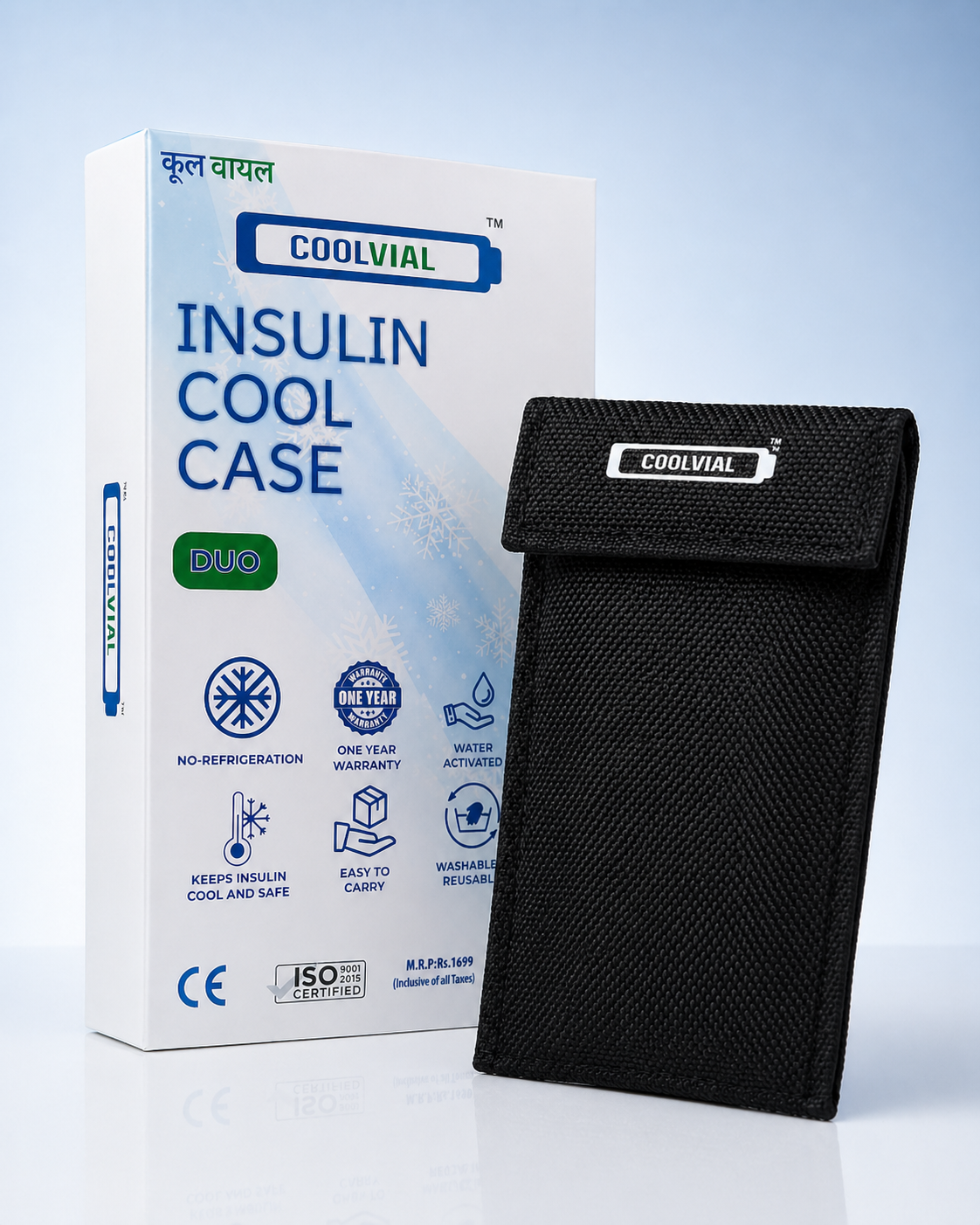
10 Essential Steps: Your Complete Gestational Diabetes Hospital Bag Checklist for India (Insulin Included)
Don't let Indian heat spoil your insulin. COOLVIAL protects it for 48+ hours.
Order via WhatsApp — ₹1,09910 Essential Steps: Your Complete Gestational Diabetes Hospital Bag Checklist for India (Insulin Included)
Insulin at 2-8°C for 48+ hours. Trusted by 10,000+ Indian diabetics.
Understanding Insulin Storage and Gestational Diabetes Management
Effective management of gestational diabetes hinges on a clear understanding of the condition itself and the precise requirements for your medication, particularly insulin.
The Basics of Gestational Diabetes
Gestational diabetes is a type of diabetes that develops during pregnancy in women who have not had diabetes before. It occurs when the body can’t make enough insulin to meet the extra needs of pregnancy. Insulin is a hormone produced by the pancreas that helps glucose (sugar) from food get into your cells to be used for energy. During pregnancy, hormones produced by the placenta can block insulin from doing its job, leading to higher blood sugar levels.
While GDM usually resolves after childbirth, it’s crucial to manage it during pregnancy to prevent complications. Uncontrolled high blood sugar can lead to problems for the baby, such as excessive growth (macrosomia), which can make delivery difficult and increase the risk of C-section. It can also cause low blood sugar (hypoglycemia) in the baby shortly after birth. For the mother, GDM increases the risk of pre-eclampsia and developing Type 2 diabetes later in life. Lifestyle changes, including diet and exercise, are often the first line of treatment, but many women with GDM require insulin injections to keep their blood sugar levels within a healthy range.
Crucial Insulin Storage Requirements
Insulin is a sensitive medication, and its effectiveness is directly linked to how it’s stored. Mismanagement can lead to potency loss, making your treatment ineffective. This is particularly important for your gestational diabetes hospital bag checklist for India (insulin included).
- Unopened Insulin: Vials or pens that are not yet in use should be stored in a refrigerator, ideally at a temperature between 2°C and 8°C. This is the temperature range typically recommended by manufacturers to maintain its full potency until its expiration date. Never freeze insulin, as this can damage its structure and make it unusable.
- Opened/In-Use Insulin: Once an insulin vial or pen is opened, it can generally be kept at room temperature (typically 15°C to 25°C) for a specific period, usually 28 days for vials and many pens, or sometimes up to 6 weeks for certain pen types. However, the critical point for Indian conditions is that it must never be exposed to temperatures above 30°C. Exposure to heat above this threshold, even for short periods, can cause insulin to degrade rapidly. This degradation reduces its ability to lower blood sugar, leading to hyperglycemia.
Ensuring your insulin remains within its safe temperature range, especially during transit to the hospital or during your stay, is non-negotiable for effective GDM management.
Table: Insulin Storage Temperature Guide
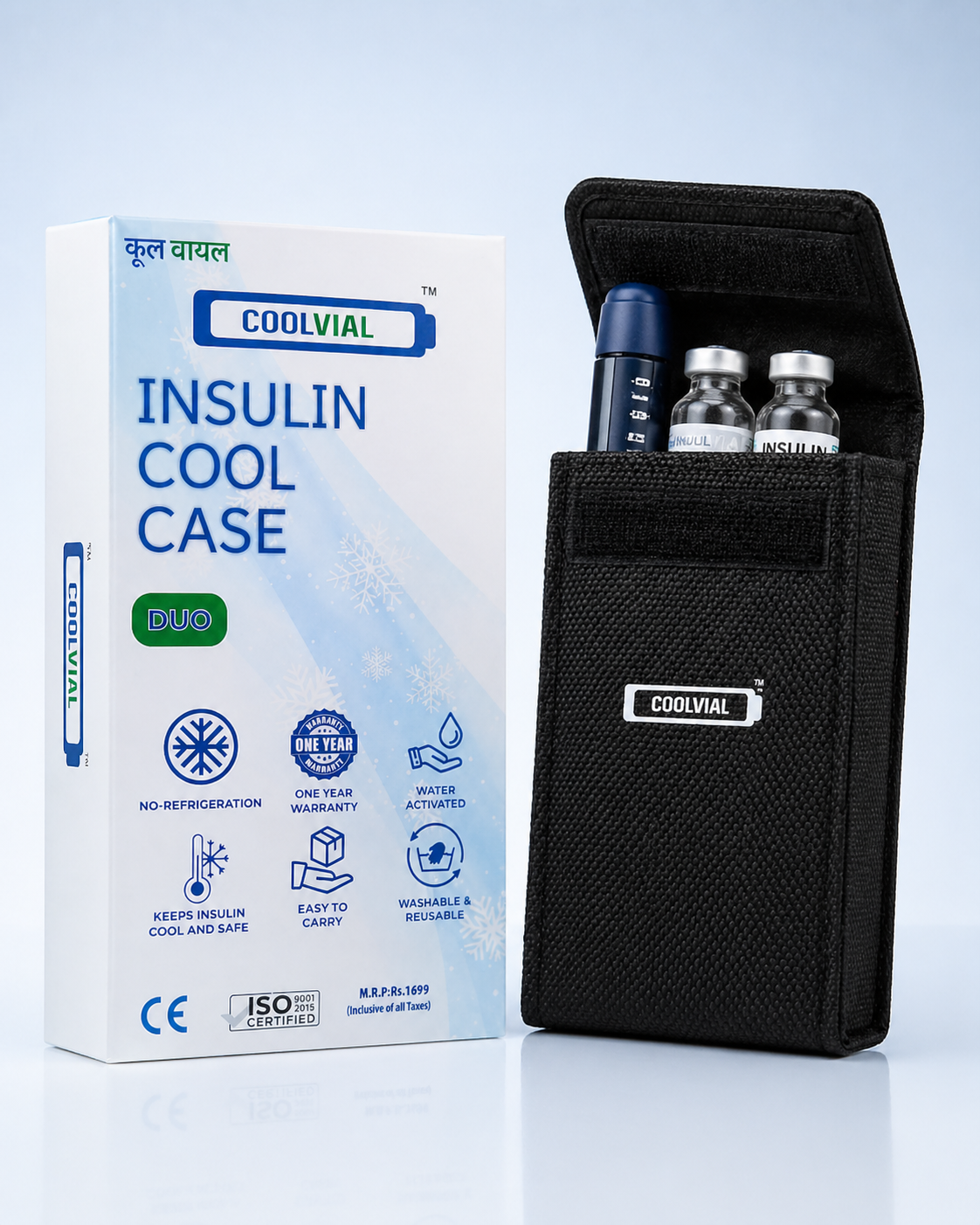
10 Essential Steps: Your Complete Gestational Diabetes Hospital Bag Checklist for India (Insulin Included)
| Insulin State | Recommended Storage Temperature | Maximum Safe Temperature | Storage Duration (Approx.) | Key Considerations |
|---|---|---|---|---|
| Unopened (Fridge) | 2°C to 8°C (36°F to 46°F) | Never above 30°C | Until expiration date | Keep away from freezer compartment; avoid freezing. |
| Opened/In-Use | 15°C to 25°C (59°F to 77°F) | Never above 30°C | 28 days (vials/most pens) | Protect from direct sunlight and extreme heat. |
| Degradation Risk | Above 30°C (86°F) | N/A | Immediate | Insulin loses potency, becomes less effective. |
Blood Glucose Monitoring Essentials
Regular blood glucose monitoring is an indispensable part of managing gestational diabetes, both at home and in the hospital. Your doctor will provide specific target ranges for your blood sugar during pregnancy, which are typically stricter than for other forms of diabetes. These often include fasting levels, and post-meal readings (1-hour or 2-hour after eating).
In your hospital bag, you’ll need all the necessary supplies to continue this monitoring: your blood glucose meter, fresh test strips, lancets, and a lancing device. It’s also wise to pack a small logbook or ensure your meter stores readings, as your medical team will need to review these to guide your care during labor and after delivery. Maintaining tight control helps prevent complications for you and your baby during the crucial labor and delivery period.
Your Practical Gestational Diabetes Hospital Bag Checklist for India (Insulin Included)
Packing your hospital bag when you have gestational diabetes requires careful thought, ensuring you’re prepared for every eventuality, especially concerning your medical needs in the Indian context. Here’s a detailed, practical checklist:
-
Medical Essentials (The Most Critical Section):
- Insulin Supplies: Pack enough insulin (vials or pens) to last for your hospital stay, plus a few extra days’ buffer in case of unexpected delays. Double-check expiration dates.
- Insulin Delivery Devices: Syringes and needles (if using vials) or a sufficient number of pen needles (if using pens).
- Blood Glucose Monitor: Your personal glucometer.
- Test Strips & Lancets: Ensure you have an ample supply of fresh test strips and lancets for your meter.
- Alcohol Swabs: For sterilizing injection sites.
- Ketone Strips: To check for ketones, especially if blood sugars are consistently high.
- Medication List: A written list of all your current medications, dosages, and timings, including insulin regimen.
- Doctor’s Notes & Prescriptions: All relevant medical records, GDM diagnosis papers, recent blood sugar charts, and your doctor’s contact information.
- Insulin Cooling Solution: A reliable COOLVIAL insulin cool case is absolutely non-negotiable. This ensures your insulin stays within the safe temperature range (below 30°C, ideally 15-25°C for in-use) even during power cuts, travel, or in non-AC hospital environments.
- Snacks for GDM: Small, pre-portioned, GDM-friendly snacks like nuts, sugar-free biscuits, or fruit (e.g., a small apple) that fit your diet plan. These are crucial for managing blood sugar between hospital meals or during long waits.
-
Mother’s Comfort & Personal Items:
- Comfortable Clothing: Loose, breathable Indian wear (like cotton nighties or kurtas) that are easy to breastfeed in. Pack several changes.
- Maternity Pads: Hospitals provide some, but you might prefer your own brand or a larger supply.
- Undergarments: Comfortable, supportive nursing bras and several pairs of maternity underwear.
- Toiletries: Toothbrush, toothpaste, shampoo, soap, moisturizer, lip balm, hairbrush, and any personal hygiene items. Opt for travel-sized to save space.
- Towels: A couple of soft, absorbent towels.
- Slippers/Flip-flops: Easy to slip on and off for walking around the room or to the washroom.
- Phone & Charger: Essential for staying connected with family.
- Entertainment: A book, magazine, or tablet to help pass the time.
- Spectacles/Contact Lenses: If you use them, don’t forget cleaning solution and case.
-
Baby’s Needs:
- Diapers: A small pack of newborn diapers.
- Wipes: Gentle baby wipes.
- Clothes: A few sets of soft cotton onesies or traditional Indian baby clothes (like jhablas) for the baby’s stay and going home outfit.
- Swaddles/Blanket: A soft receiving blanket or swaddle.
- Feeding Supplies: If you plan to formula-feed, or in case of initial breastfeeding challenges, pack a small amount of formula and a feeding bottle.
- Baby Towel: A soft towel for the baby.
-
Important Documents:
- Identification: Aadhar card, PAN card (for you and your partner).
- Insurance Papers: All relevant health insurance documents and contact details.
- Hospital Admission Forms: Any pre-filled forms or necessary paperwork.
- Bank/Payment Details: For hospital bills and other expenses.
Remember, packing thoughtfully, especially with your gestational diabetes hospital bag checklist for India (insulin included), ensures you’re prepared for your delivery day without added stress.
Navigating Indian Conditions with Gestational Diabetes and Insulin
India’s diverse geographical and infrastructural landscape presents unique challenges for managing gestational diabetes, particularly concerning insulin
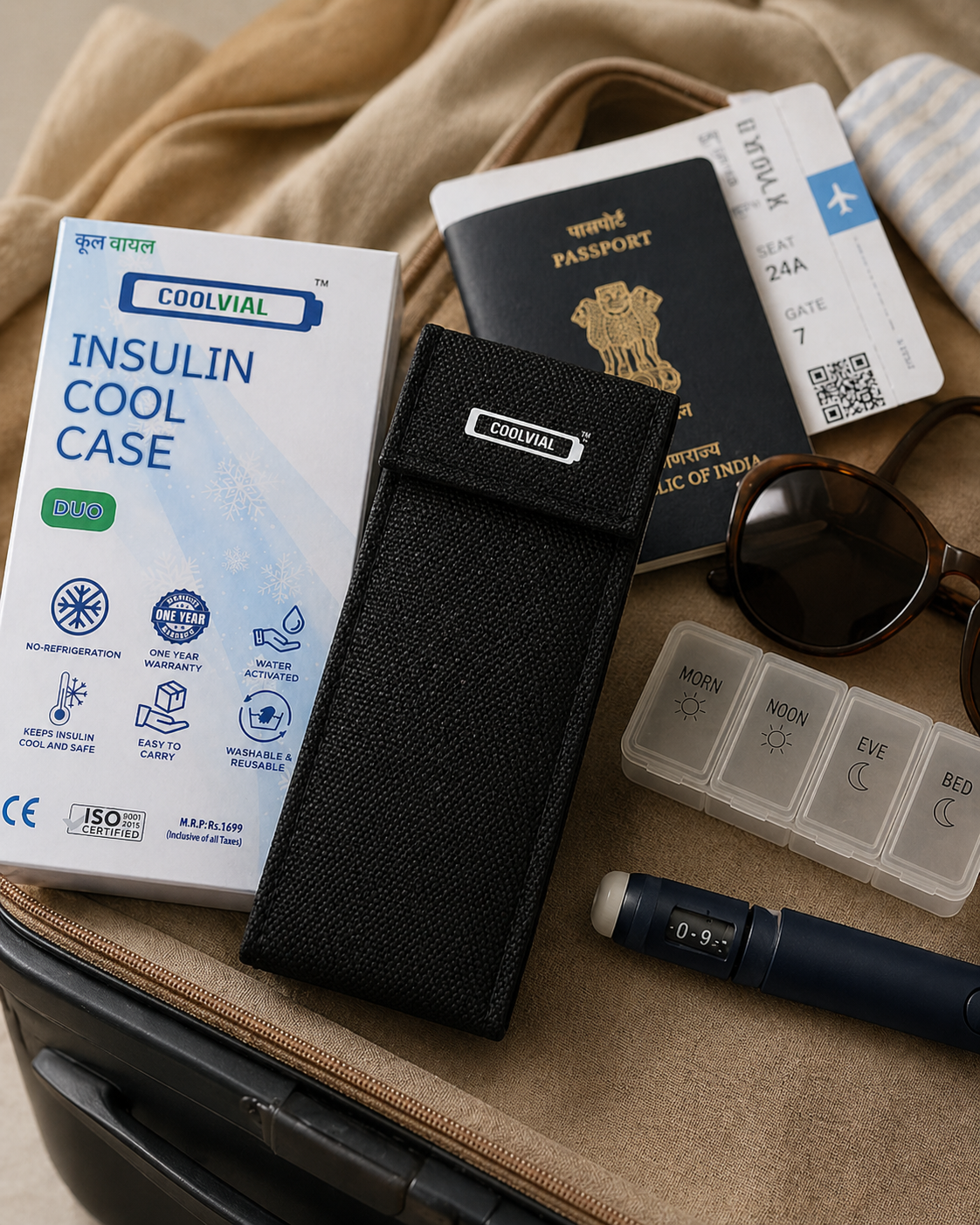
10 Essential Steps: Your Complete Gestational Diabetes Hospital Bag Checklist for India (Insulin Included)
Keep your insulin safe in India's extreme heat. COOLVIAL works for 48+ hours without electricity.
10 Essential Steps: Your Complete Gestational Diabetes Hospital Bag Checklist for India (Insulin Included)
48+ hours at 2-8°C. No electricity. CE certified. Free delivery across India.
Order on WhatsApp — ₹1,099🛒 Buy Now — ₹1,099